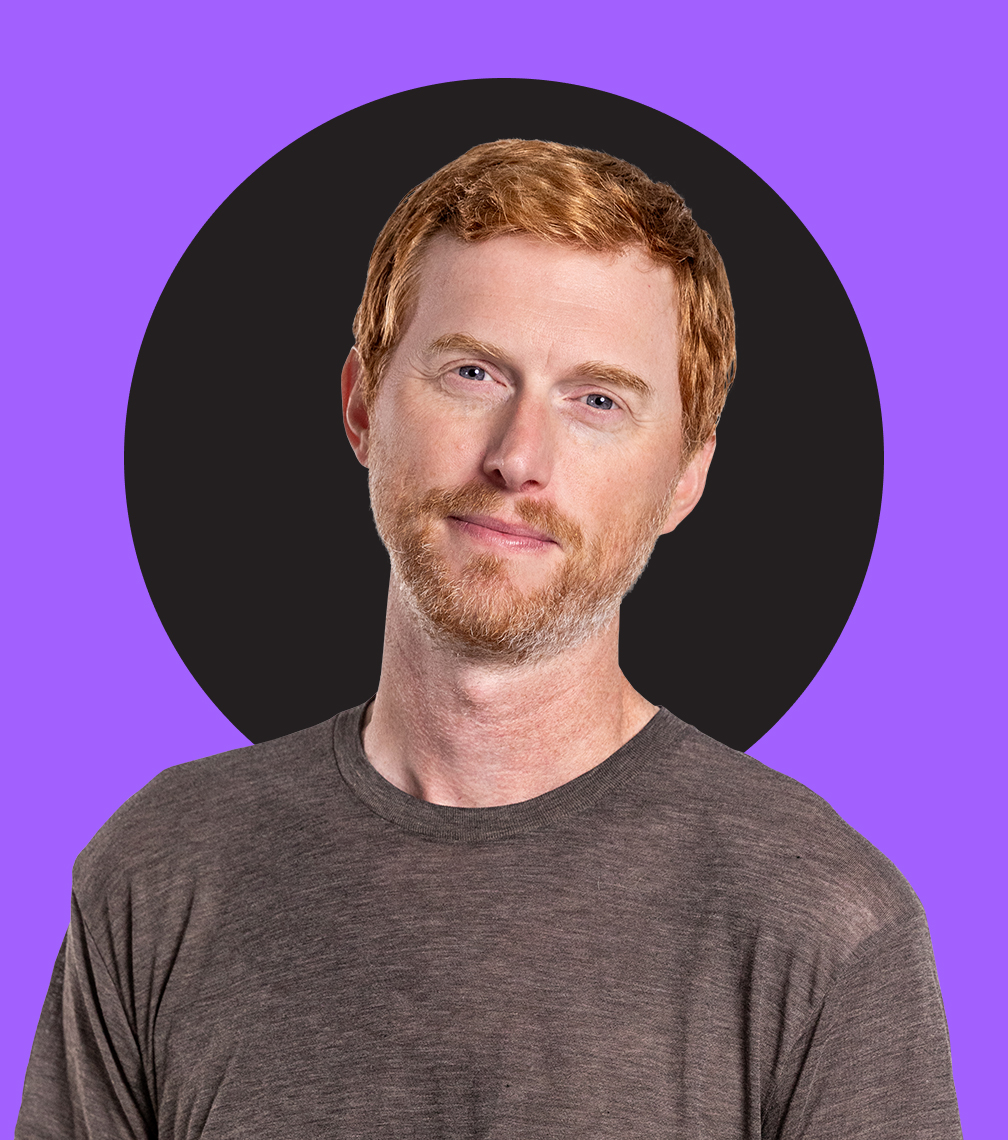
How to shift the story on aging.

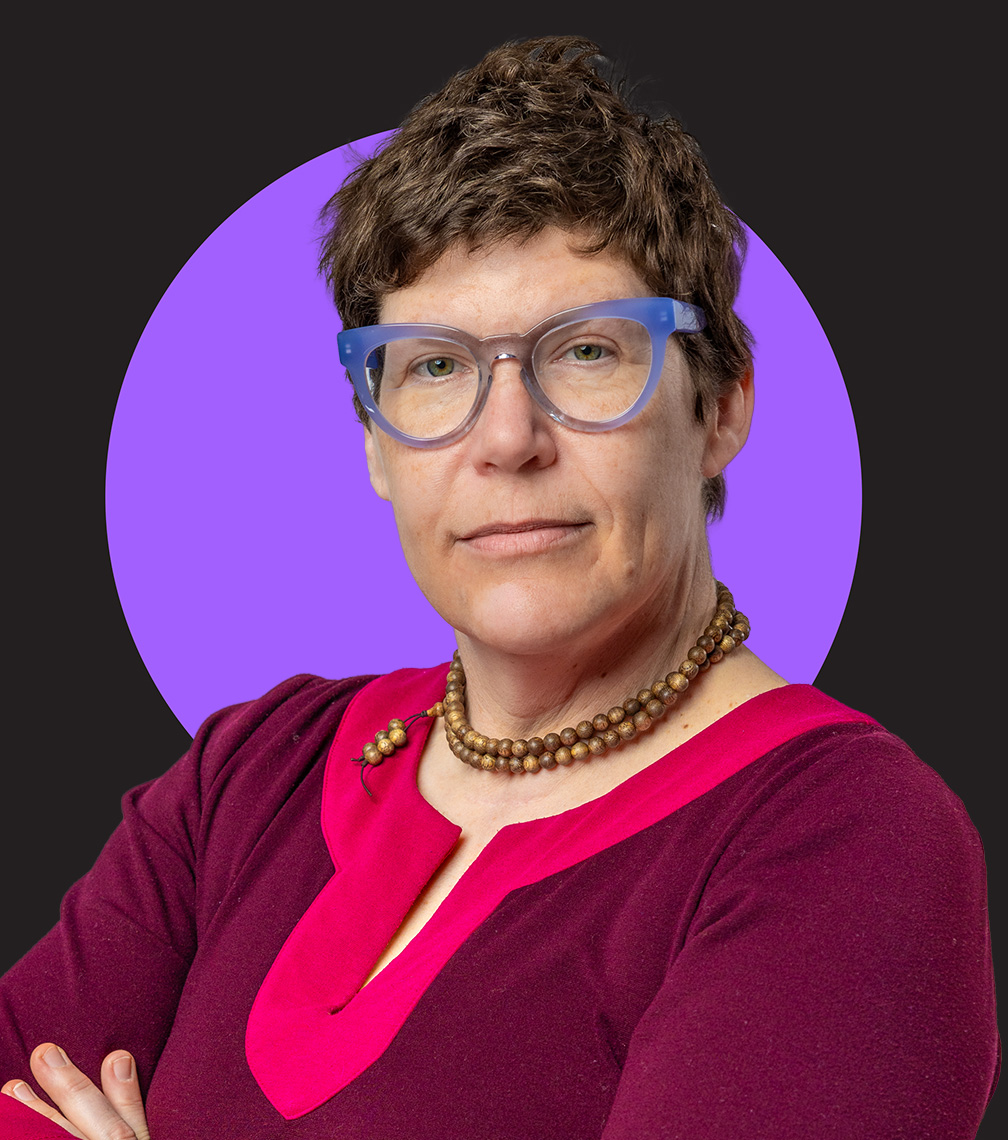
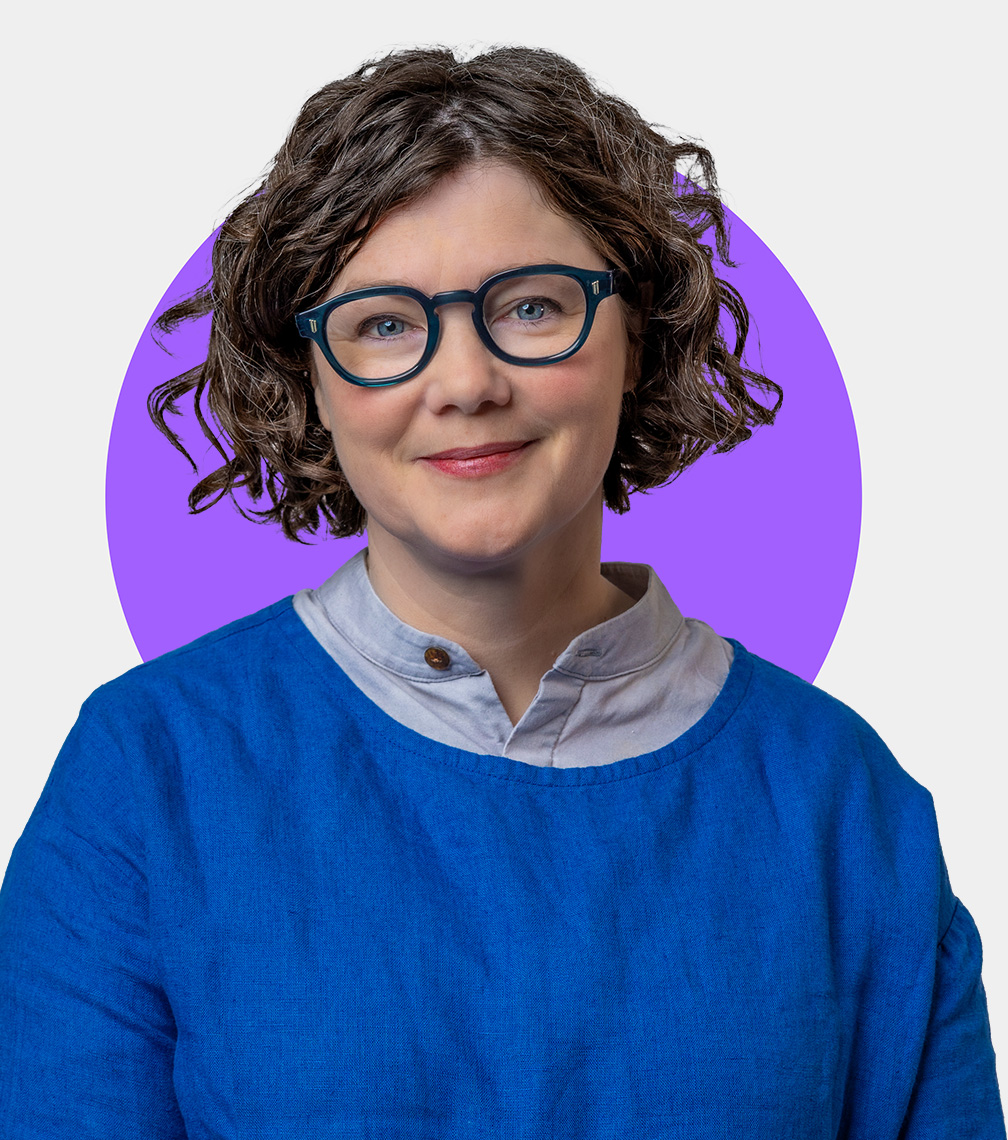
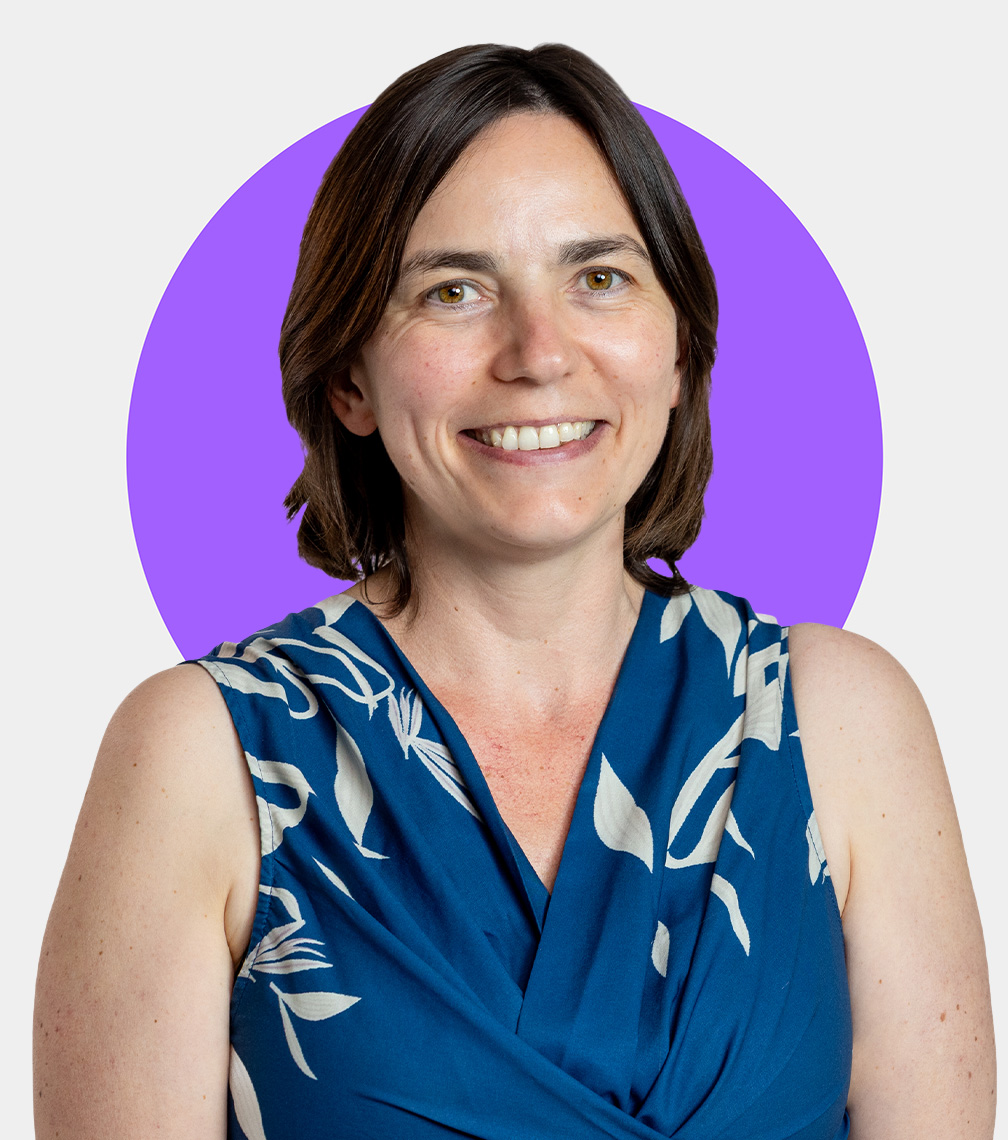
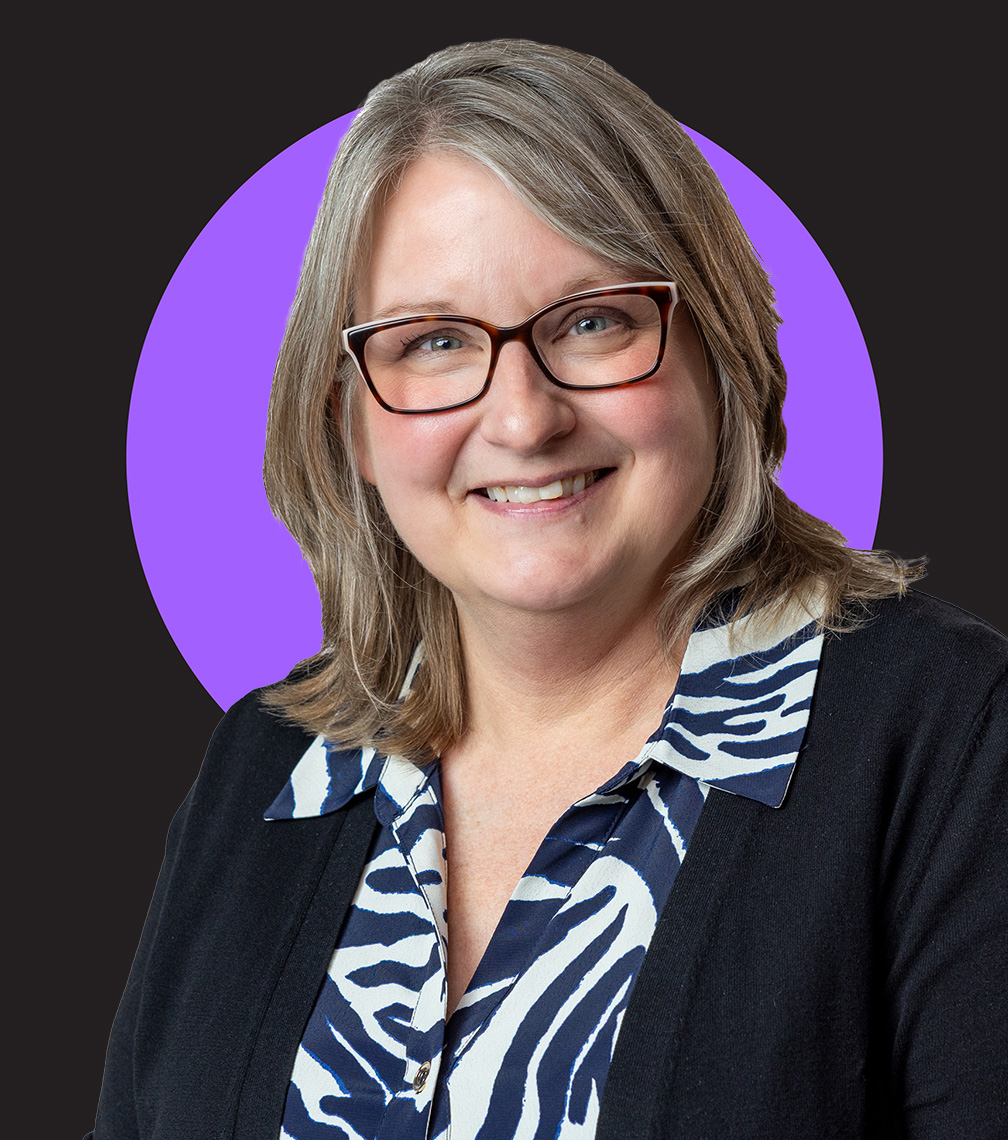
Angela Roberts

Principal Investigator, SuperAging Canada | Assistant Professor, Communication Sciences and Disorders, Computer Science, Western University
Large play button iconLarge replay icon

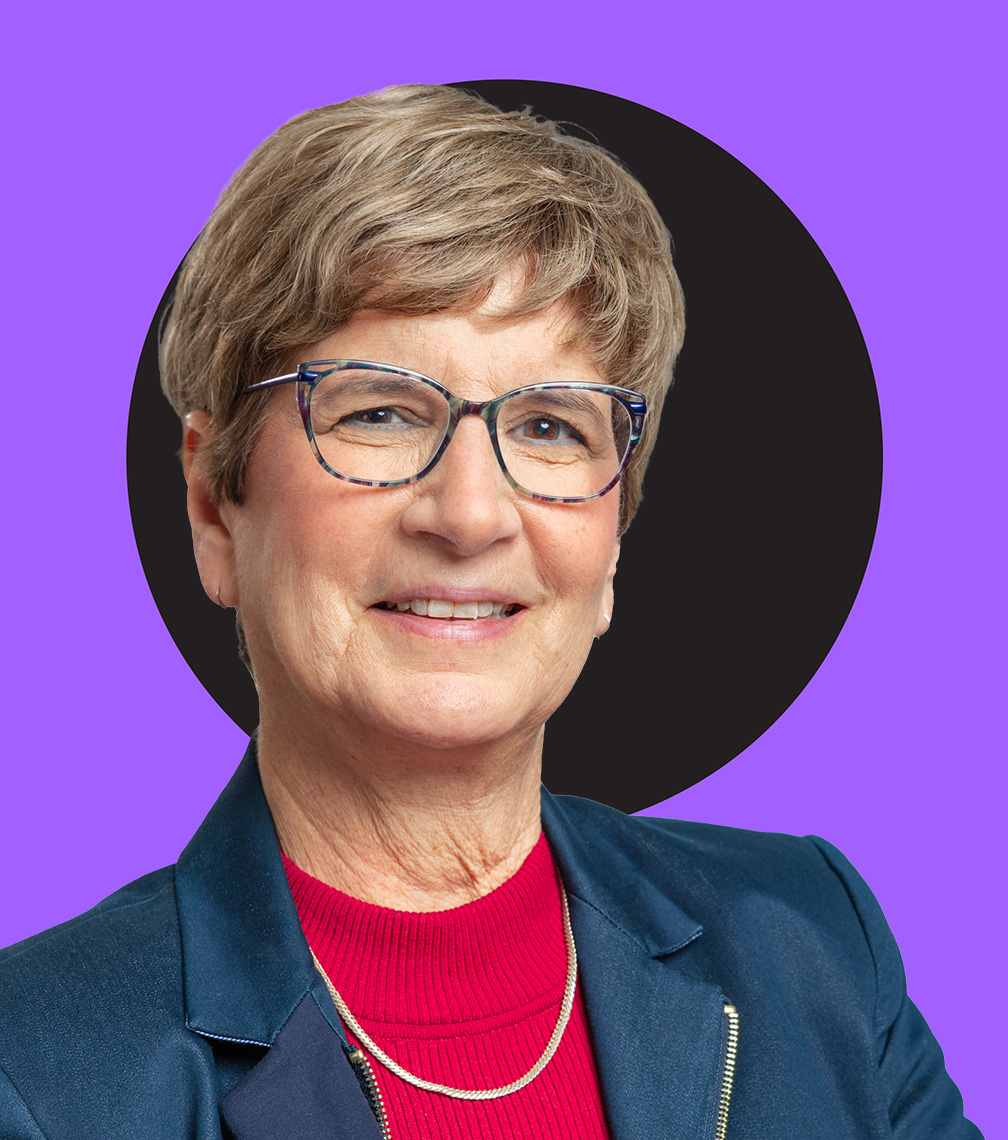
If Angela Roberts has learned one thing from her research into aging, it’s this: growing older can be a chance to thrive.  

She learned this lesson directly from a group of folks who are quite happy to be seniors.

They’re called SuperAgers, members of a study that looks at adults 80 and older who have high cognitive resilience – meaning their memory and communication abilities remain as strong as they were at 50.  

“The aim of the program is to understand the biology and the social lives of older adults and how we can create better outcomes, while also improving our understanding of conditions like Alzheimer's and Parkinson's,” says Angela, a principal investigator on the study, Canada Research Chair in Data Analytics and Digital Health in Cognitive Aging and Dementia and a professor in the School of Communication Sciences and Disorders and the department of computer science.

Angela and her collaborators have found biology and DNA can play a part in healthy aging, but she says the SuperAgers have shown having a meaningful life after 80 is just as much about attitude.

“They are people who accept where they are in the aging process. They cherish the importance of every lesson they've learned, every creaky bone, every wrinkle, every experience they've had. And they have allowed those experiences to contribute to their resilience and strength.”

And she says these findings are shaking up traditional views on aging.

Angela

ʼs
Impact
Principles

  • Healthy aging depends more on how we live our years than how many we accumulate.
  • Those who live the story often teach it best.
  • Our social lives are as essential to cognitive resilience as our biology.

“The pattern that's been followed for many years in aging research has been that SuperAgers are largely a biological or genetic phenomenon. But we now know that's far from the truth. It's not only your biology, but your social behaviors and how you engage with society that drive a lot of our cognitive aging outcomes.”

Knowledge is power, as the old saying goes. Angela believes the impact of the SuperAgers project comes from the insights gained by studying healthy seniors. They serve as examples to others approaching older age and wondering what it may mean to their lifestyle.  

“The one thing that comes through in every aspect of their lives is they live with purpose. They're always going, doing, engaging in something. We have a retired machinist with no high school education who started a philosophy circle. We have schoolteachers who now lead women's health classes. We have people who are still working as computer science programmers. They find their purpose wherever they are.”

Angela says the insights from the SuperAgers study will play a crucial role in advancing inclusivity.  

“Creating an inclusive society means including people as they age, whether they’re aging well or managing a health condition. The more we do this, the more inclusive our society is, and the better it is for all of us, young and old alike.”

And a vital place to start, she adds, is in health care.  

“Our current health standards are built for people younger than 80. Drug trials and intervention trials often exclude people 80 and older. So it's not just that our health care system isn't set up for it. Our science doesn't actually understand how to prescribe medications and interventions and surgical approaches for people of that age. We've got a long way to go, and our hope is studies like the SuperAging Research Initiative start to change how society and health-care systems view older adults and create a more inclusive space.”

And she is proud to admit her contact with the SuperAgers she’s studying is having a personal impact.  

“These people have changed my life. There's never a day I don't challenge myself when I come into work to say, ‘what am I going to do today to change the world?’”

Explore Stories

Mike

How to create hope for people with ALS and their families.

Play button icon

Angela

How to shift the story on aging.

Play button icon

Chantelle

How to keep Indigenous cultures alive.

Play button icon

Marie

How to improve care for people living with dementia.

Play button icon

Daniel

How to build kids’ math skills.

Play button icon

Sydney

How rethinking prosthetics helps amputees walk with comfort.

Play button icon

Caroline

How to help athletes reach their full potential.

Play button icon

Thomas

How to explore identity when you experience disability.

Play button icon

Kaitlynn

How to help kids navigate social media safely.

Play button icon

Sheri

How to prepare for earthquakes with seismology mapping.

Play button icon

Marlene

How to support children who have early hearing loss.

Play button icon

Victoria

How to create welcoming communities for immigrants.

Play button icon

Chris

How migratory bird research is creating a better planet.

Play button icon

Elijah

How to improve access to rural health care.

Play button icon

Jackson

How volunteering builds communities.

Play button icon

Maya

How to build a community of entrepreneurs.

Play button icon

Sachindri

How collaboration with older adults drives change.

Play button icon

Hasitha

How AI can improve hearing assessments for kids.

Play button icon

Arun

How to shine a light on women-led households.

Play button icon

Alexandra

How to be a voice for people with ADHD.

Play button icon

Egide

How children in Rwanda advocate for better air quality.

Play button icon

Nicole

How inclusion can change the lives of disabled children.

Play button icon

Emma

How research is helping children with anxiety.

Play button icon

Trish

How research can empower educators to get kids moving.

Play button icon

adam

How to bring inclusivity into music education.

Play button icon

Brie

How drones are improving global access to health care.

Play button icon

Arad

How volunteering can help you find your purpose.

Play button icon

Ana Luisa

How technology can improve mobility.

Play button icon

Valerie

How to empower victims of gender-based violence.

Play button icon

Zola

How storytelling can help break down stigma.

Play button icon

Gordon

How space exploration drives innovation.

Play button icon

Alissa

How to protect your right to repair.

Play button icon

Tarun

How technology can strengthen health-care equity.

Play button icon

Abe

How to address homelessness through global dialogue.

Play button icon

Sheri

How to build community through art.

Play button icon

Luke

How to think critically about the role of AI in our lives.

Play button icon

Kalley

How to encourage Indigenous youth through sport.

Play button icon

Lauren

How to advance equity in the stem cell pool.

Play button icon

Demo

How adopting compassion can make a difference.

Play button icon

Tima

How a sustainable future relies on collective engagement.

Play button icon

Sonya

How to make health care truly inclusive.

Play button icon

Matthew

How literature can change the world.

Play button icon

Marianna

How women in tech need to be seen and heard.

Play button icon

Chloe

How vulnerability can normalize mental health disorders.

Play button icon

Greg

How collaboration and communication build safer communities.

Play button icon

Sunil

How data can support the fight for human rights.

Play button icon

Katreena

How to identify and address gender-based violence.

Play button icon

Ivy

How cultural identity lives through sport.

Play button icon

Raj

How hip-hop has cultural importance for Inuit communities.

Play button icon

Heading

Play button icon

Heading

Play button icon

Heading

Play button icon