How to create hope for people with ALS and their families.

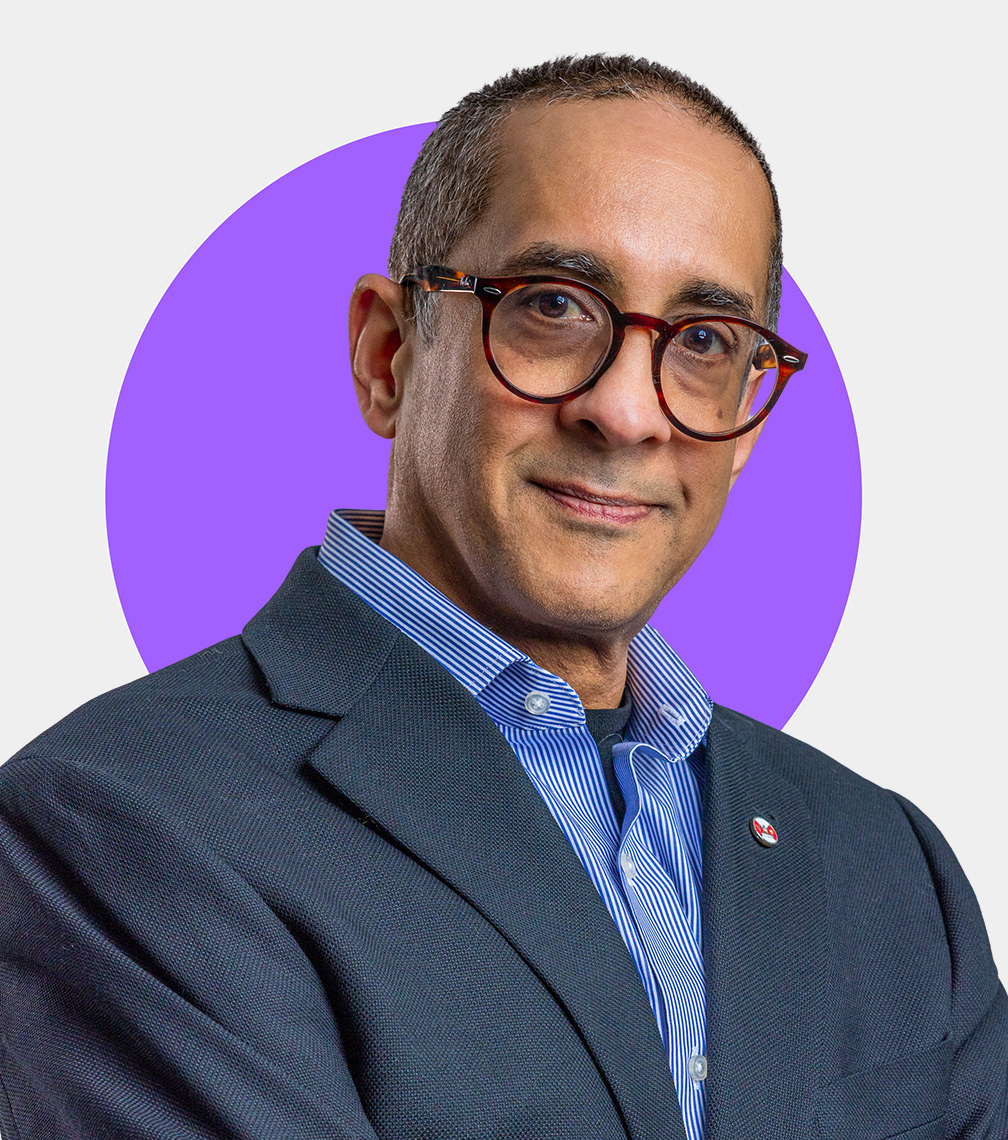
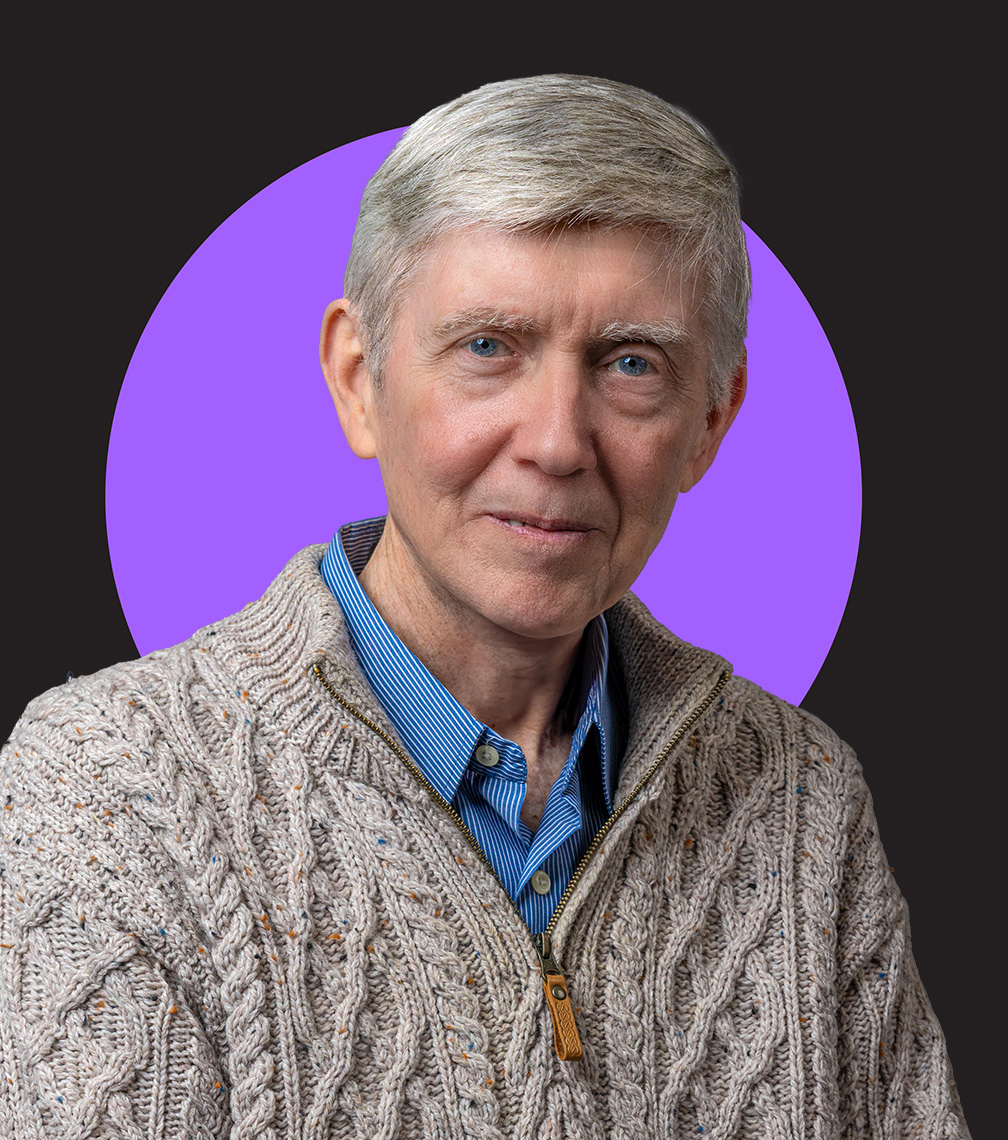
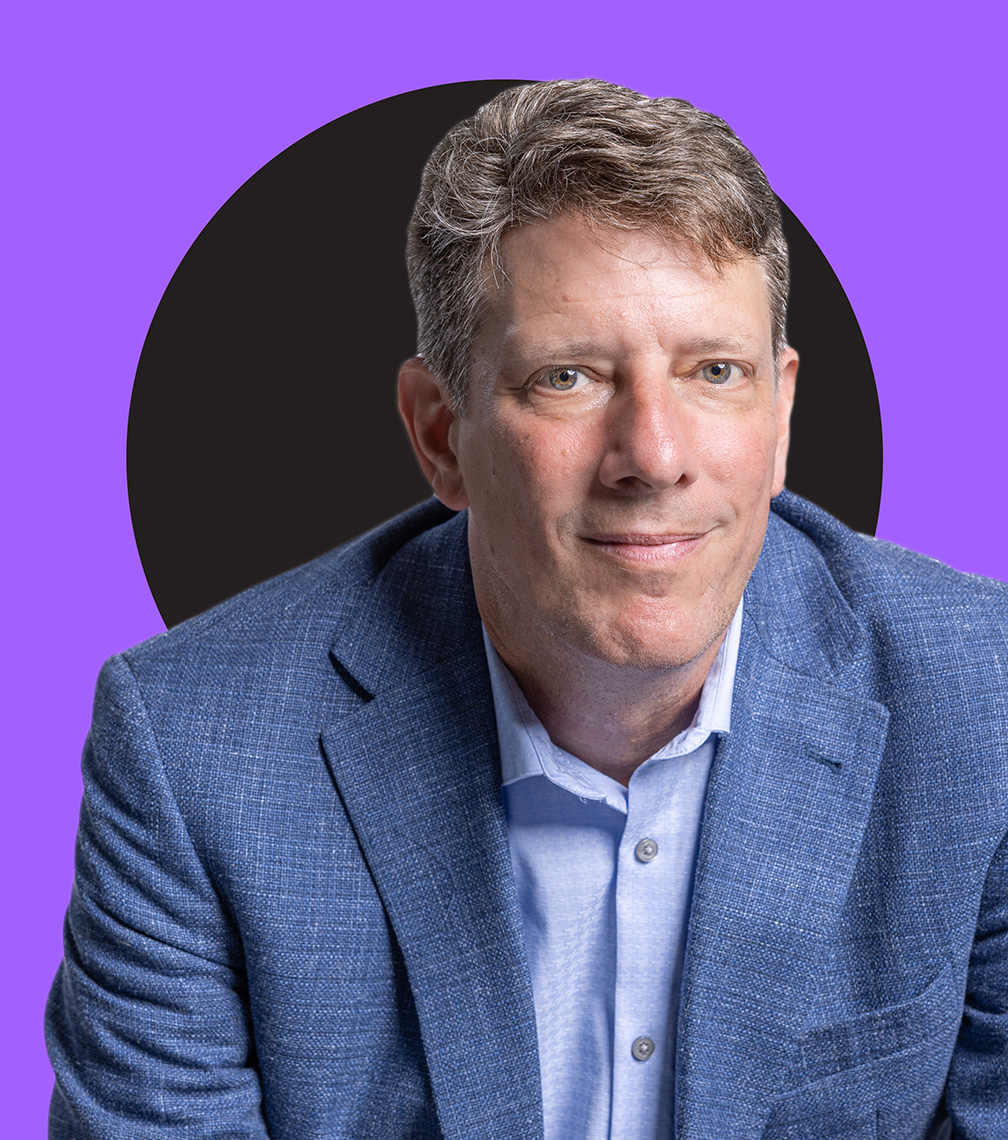
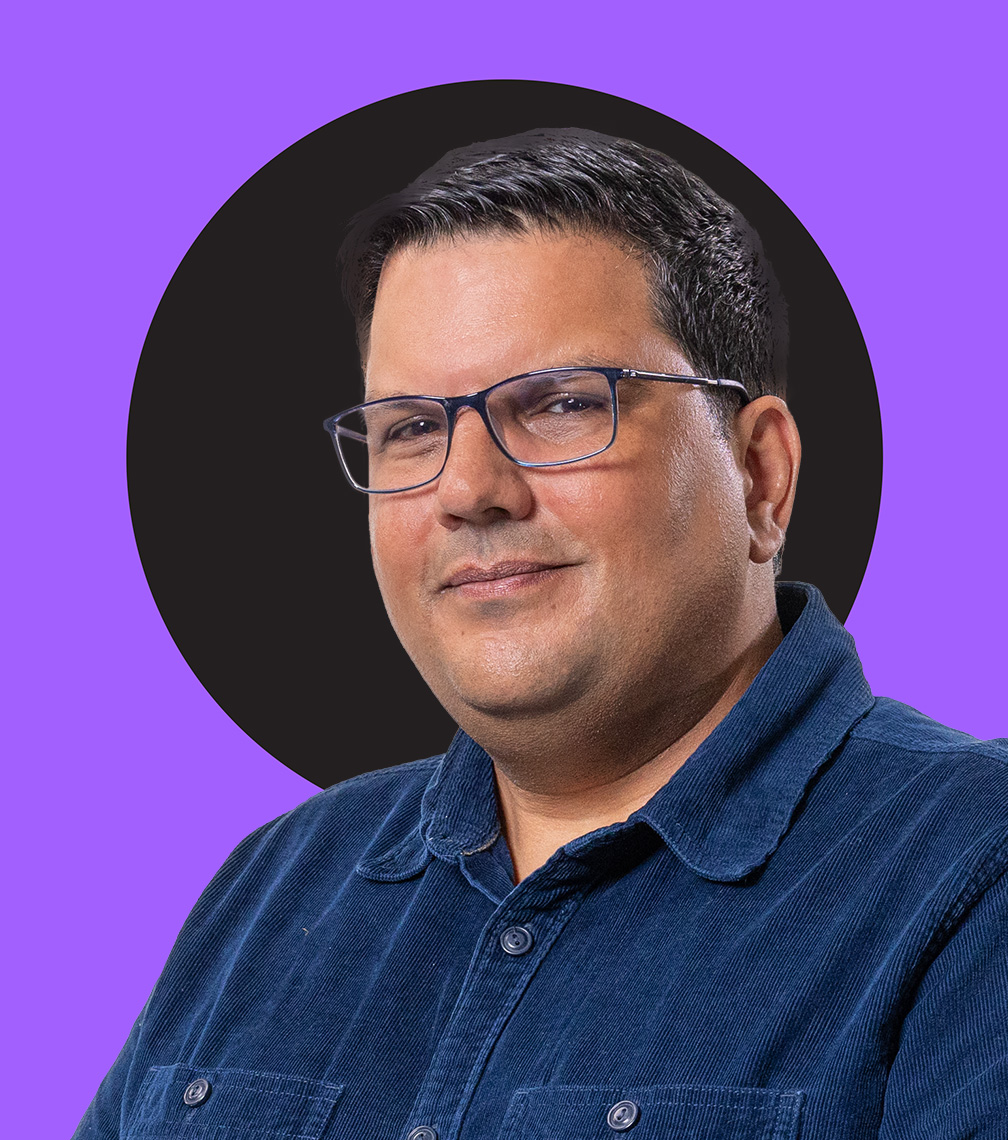
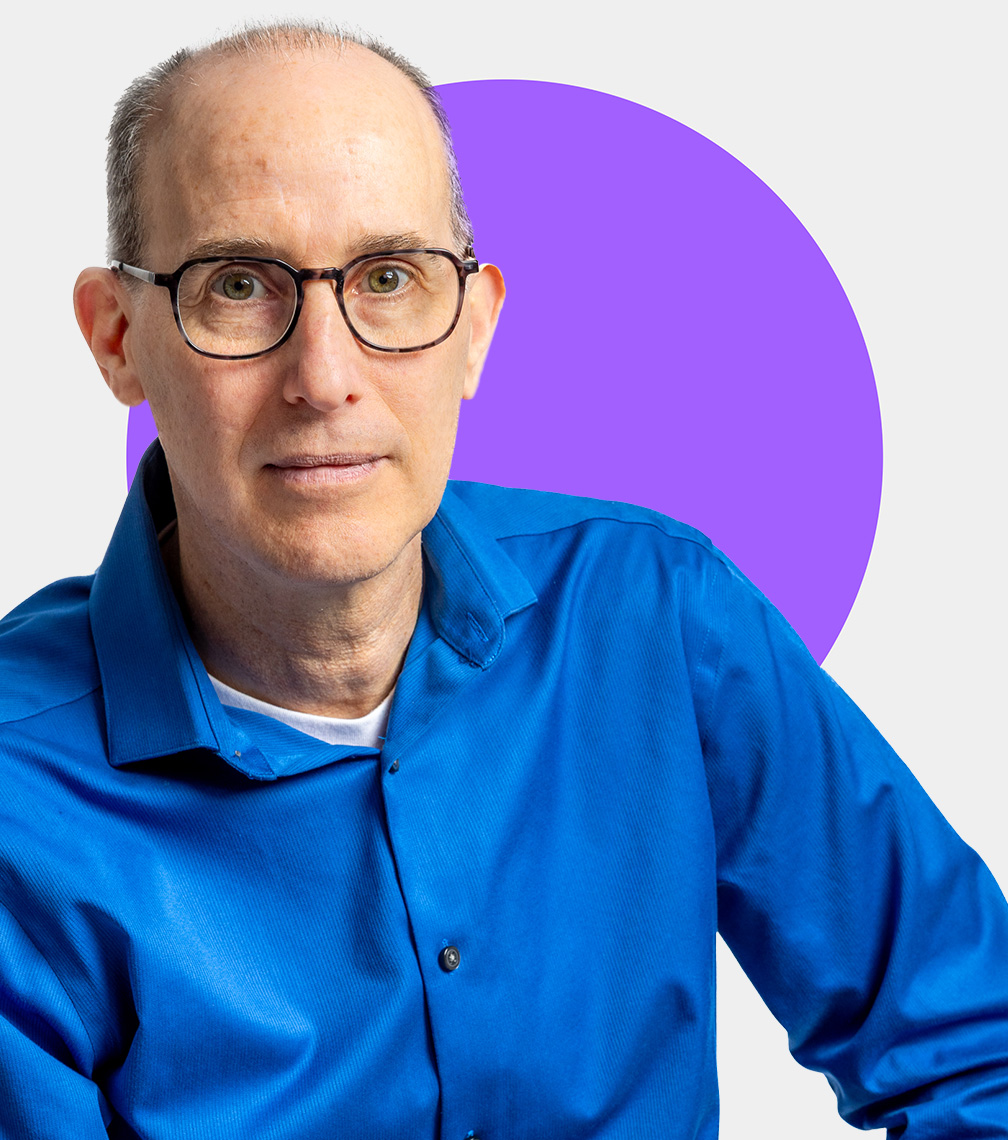
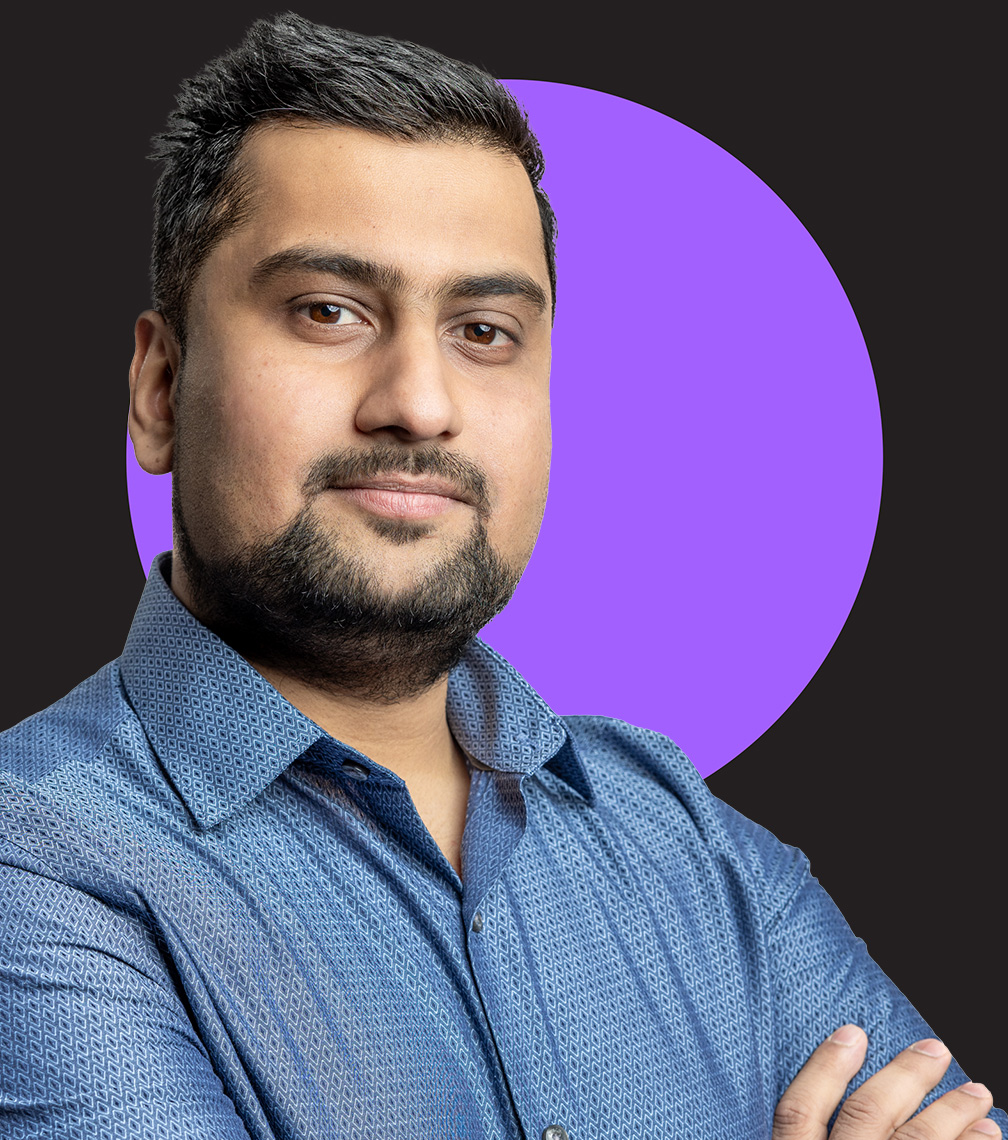
Mike Strong

Neurologist | Distinguished Professor, Schulich School of Medicine & Dentistry, Western University
Large play button iconLarge replay icon

It was a definitive eureka moment when Dr. Mike Strong and his team discovered a protein called RGNEF.

It was also a globally important one because that protein could help lessen the tremendous hardship caused by amyotrophic lateral sclerosis (ALS). It might even be a path to a cure.  

Often called Lou Gehrig’s Disease after the New York Yankees’ star who died from condition in 1941, ALS is a debilitating neurodegenerative condition that progressively impairs nerve cells for muscle control, leading to muscle wastage, paralysis and, ultimately, death. The average life expectancy of someone with ALS is only two to five years.  

ALS is linked to a protein called TDP-43, which harms nerve cells. Proteins are like tiny machines inside our cells, each with a specific job. In ALS, the protein TDP-43 stops working properly and starts clumping where it shouldn’t. When that happens, the cell’s normal processes break down, and the nerve cell becomes damaged and eventually dies. Mike and his team discovered that the protein RGNEF can counter the effects of TDP-43 – significantly reducing the damage to nerve cells and even stopping it.  

The research has been conducted on fruit flies and mice. Human trials will happen in the next three to five years.  

The discovery was a pivotal moment for Mike, who has spent three decades with his team and collaborators pushing toward a major advance in ALS.

Mike

ʼs
Impact
Principles

  • Breakthroughs take time, persistence and an openness to change.
  • Failure is a step toward success when we accept it and move forward.
  • Our experiences define us, and growth depends on letting them shift our perspective.

“It’s just one of the most exciting things you can have in science. You set the experiment up. And you're putting in a lot of investment, time and people's hours. And you don't know whether it's going to work or not. And then you see it work. It’s incredible.”

Mike is both a Schulich School of Medicine & Dentistry scientist and a physician who works with ALS patients. What matters most to him isn’t the discovery itself, but the impact it will have on the lives of those living with the disease.

“It’s about one word – hope. I've seen roughly 3,500 people with ALS. And every conversation centres around whether we have any hope at all that this disease can be cured or if we can slow it down in some way. Now, I sit down with families and say, ‘I don't have the cure for most forms of ALS right now, but we think we have it for a couple of them,’ and I couldn't do that before. Compared with 30 years ago, we have far more hope today, because it's realistic now.”

Mike's hopes for the future rest on three key requirements. One is collaboration.  

“Science is a team sport, pure and simple. We're doing research that involves colleagues across Canada, in Italy and in the U.S. And the questions we're asking cannot be answered at one site.”

The other essential factor is an openness to grow through experiences, good or bad.  

“Someone once wrote, ‘you are the sum total of your experiences.’ I firmly believe that. If you're not constantly changing based on the experiences, then you're stagnant. If you ignore those experiences, I think you're a lesser person for it.”

And the final key to making a real difference? For Mike, it’s mentoring those who will carry the work forward.

“Mentorship is important in everything we do. I've had mentors who had no idea they've been mentoring me. I still talk to my research supervisor now, 35 years later. When I was doing my postdoc training, he said to me, ‘the best mentors are the ones who change the direction of what you're doing, and you have no idea they did it.’ It took me years to fully understand what that meant. But I like to think that's how I do it now with my colleagues and students.”

For Mike, every experiment, collaboration and mentee brings ALS research closer to a breakthrough — and with it, renewed hope for patients and families.

Explore Stories

Mike

How to create hope for people with ALS and their families.

Play button icon

Angela

How to shift the story on aging.

Play button icon

Chantelle

How to keep Indigenous cultures alive.

Play button icon

Marie

How to improve care for people living with dementia.

Play button icon

Daniel

How to build kids’ math skills.

Play button icon

Sydney

How rethinking prosthetics helps amputees walk with comfort.

Play button icon

Caroline

How to help athletes reach their full potential.

Play button icon

Thomas

How to explore identity when you experience disability.

Play button icon

Kaitlynn

How to help kids navigate social media safely.

Play button icon

Sheri

How to prepare for earthquakes with seismology mapping.

Play button icon

Marlene

How to support children who have early hearing loss.

Play button icon

Victoria

How to create welcoming communities for immigrants.

Play button icon

Chris

How migratory bird research is creating a better planet.

Play button icon

Elijah

How to improve access to rural health care.

Play button icon

Jackson

How volunteering builds communities.

Play button icon

Maya

How to build a community of entrepreneurs.

Play button icon

Sachindri

How collaboration with older adults drives change.

Play button icon

Hasitha

How AI can improve hearing assessments for kids.

Play button icon

Arun

How to shine a light on women-led households.

Play button icon

Alexandra

How to be a voice for people with ADHD.

Play button icon

Egide

How children in Rwanda advocate for better air quality.

Play button icon

Nicole

How inclusion can change the lives of disabled children.

Play button icon

Emma

How research is helping children with anxiety.

Play button icon

Trish

How research can empower educators to get kids moving.

Play button icon

adam

How to bring inclusivity into music education.

Play button icon

Brie

How drones are improving global access to health care.

Play button icon

Arad

How volunteering can help you find your purpose.

Play button icon

Ana Luisa

How technology can improve mobility.

Play button icon

Valerie

How to empower victims of gender-based violence.

Play button icon

Zola

How storytelling can help break down stigma.

Play button icon

Gordon

How space exploration drives innovation.

Play button icon

Alissa

How to protect your right to repair.

Play button icon

Tarun

How technology can strengthen health-care equity.

Play button icon

Abe

How to address homelessness through global dialogue.

Play button icon

Sheri

How to build community through art.

Play button icon

Luke

How to think critically about the role of AI in our lives.

Play button icon

Kalley

How to encourage Indigenous youth through sport.

Play button icon

Lauren

How to advance equity in the stem cell pool.

Play button icon

Demo

How adopting compassion can make a difference.

Play button icon

Tima

How a sustainable future relies on collective engagement.

Play button icon

Sonya

How to make health care truly inclusive.

Play button icon

Matthew

How literature can change the world.

Play button icon

Marianna

How women in tech need to be seen and heard.

Play button icon

Chloe

How vulnerability can normalize mental health disorders.

Play button icon

Greg

How collaboration and communication build safer communities.

Play button icon

Sunil

How data can support the fight for human rights.

Play button icon

Katreena

How to identify and address gender-based violence.

Play button icon

Ivy

How cultural identity lives through sport.

Play button icon

Raj

How hip-hop has cultural importance for Inuit communities.

Play button icon

Heading

Play button icon

Heading

Play button icon

Heading

Play button icon