How to improve care for people living with dementia.

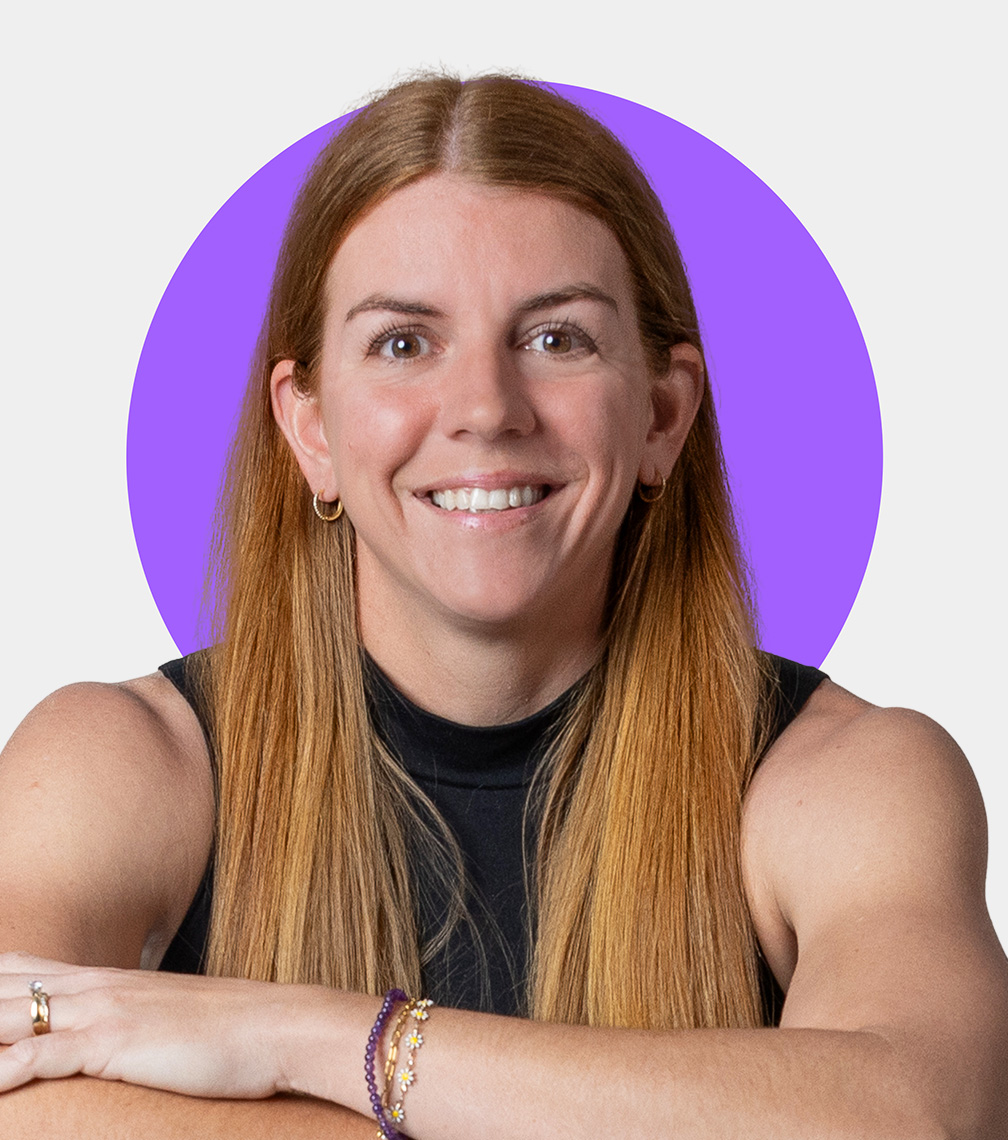
Marie Savundranayagam

Director, Sam Katz Community Health & Aging Research Unit | Associate Professor, Health Studies, Western University
Large play button iconLarge replay icon

Caring for someone living with dementia is never easy — but Marie Savundranayagam is finding ways to make it better for families and professionals alike.

At the core of her innovation is a surprising source: virtual reality (VR).  

Marie, a health studies professor and director of the Sam Katz Community Health & Aging Research Unit at Western University, has led the development of a tool she calls Be EPIC-VR.

Here’s how it works. Personal care workers wear a VR headset and an avatar appears in the form of a person living with dementia. The avatar has been programmed to exhibit common symptoms of dementia, such as memory loss. From there the person wearing the headset and the avatar enact conversations as if they were in a care situation. After the conversation, the caregiver receives feedback on the interaction from peers and facilitators.  

The goal is to help caregivers understand the challenges faced by people living with dementia and learn how to communicate with them more meaningfully.

Marie

ʼs
Impact
Principles

  • Communication is what creates and sustains relationships.
  • How you say something matters just as much as what you're saying.
  • A person-centered approach builds trust and improves care.

As Marie likes to say, “communication equals care.”  

And she emphasizes that communicating effectively begins with understanding that, while someone living with dementia may struggle to speak or remember, the person remains fully human.  

“The person living with dementia is a human first. They have likes and dislikes, preferences and abilities. The more you know a person, the more you know what makes them happy. That’s when you can provide better quality care.”

Marie, a gerontologist, was inspired to develop Be EPIC-VR given the rising incidence of dementia. She points out Canada is facing a dementia crisis, with the number of Canadians affected expected to triple by 2050.  

“We also have a crisis in terms of who will provide care. Caregivers get very little training in communication, and that’s a real issue because for people living with dementia, it’s essentially a communications disorder.”

As Marie and her team continue to refine Be EPIC-VR, it’s already being used outside the lab by workers in long-term care homes across southwestern Ontario, from Chatham to London and Milverton to Peel Region.

“We found the staff who took the training using Be EPIC-VR improved their person-centred communication and their level of dementia care competence compared to those who didn’t. Now we’re looking at the best ways to scale the tool and the program so people on the frontlines across Canada can access it.

She hopes Be EPIC-VR will shift society’s understanding of dementia.

“There is still a lot of stigma around dementia. I know people living with it can have a good life. I’d love to see the right supports in place for people living with dementia and for their circle of care: family, friends and the staff who know them best and provide care day in and day out.”

Explore Stories

Marie

How to improve care for people living with dementia.

Play button icon

Daniel

How to build kids’ math skills.

Play button icon

Sydney

How rethinking prosthetics helps amputees walk with comfort.

Play button icon

Caroline

How to help athletes reach their full potential.

Play button icon

Thomas

How to explore identity when you experience disability.

Play button icon

Kaitlynn

How to help kids navigate social media safely.

Play button icon

Sheri

How to prepare for earthquakes with seismology mapping.

Play button icon

Marlene

How to support children who have early hearing loss.

Play button icon

Victoria

How to create welcoming communities for immigrants.

Play button icon

Chris

How migratory bird research is creating a better planet.

Play button icon

Elijah

How to improve access to rural health care.

Play button icon

Jackson

How volunteering builds communities.

Play button icon

Maya

How to build a community of entrepreneurs.

Play button icon

Sachindri

How collaboration with older adults drives change.

Play button icon

Hasitha

How AI can improve hearing assessments for kids.

Play button icon

Arun

How to shine a light on women-led households.

Play button icon

Alexandra

How to be a voice for people with ADHD.

Play button icon

Egide

How children in Rwanda advocate for better air quality.

Play button icon

Nicole

How inclusion can change the lives of disabled children.

Play button icon

Emma

How research is helping children with anxiety.

Play button icon

Trish

How research can empower educators to get kids moving.

Play button icon

adam

How to bring inclusivity into music education.

Play button icon

Brie

How drones are improving global access to health care.

Play button icon

Arad

How volunteering can help you find your purpose.

Play button icon

Ana Luisa

How technology can improve mobility.

Play button icon

Valerie

How to empower victims of gender-based violence.

Play button icon

Zola

How storytelling can help break down stigma.

Play button icon

Gordon

How space exploration drives innovation.

Play button icon

Alissa

How to protect your right to repair.

Play button icon

Tarun

How technology can strengthen health-care equity.

Play button icon

Abe

How to address homelessness through global dialogue.

Play button icon

Sheri

How to build community through art.

Play button icon

Luke

How to think critically about the role of AI in our lives.

Play button icon

Kalley

How to encourage Indigenous youth through sport.

Play button icon

Lauren

How to advance equity in the stem cell pool.

Play button icon

Demo

How adopting compassion can make a difference.

Play button icon

Tima

How a sustainable future relies on collective engagement.

Play button icon

Sonya

How to make health care truly inclusive.

Play button icon

Matthew

How literature can change the world.

Play button icon

Marianna

How women in tech need to be seen and heard.

Play button icon

Chloe

How vulnerability can normalize mental health disorders.

Play button icon

Greg

How collaboration and communication build safer communities.

Play button icon

Sunil

How data can support the fight for human rights.

Play button icon

Katreena

How to identify and address gender-based violence.

Play button icon

Ivy

How cultural identity lives through sport.

Play button icon

Raj

How hip-hop has cultural importance for Inuit communities.

Play button icon

Heading

Play button icon

Heading

Play button icon

Heading

Play button icon