
How forensic pathology can support Indigenous healing.


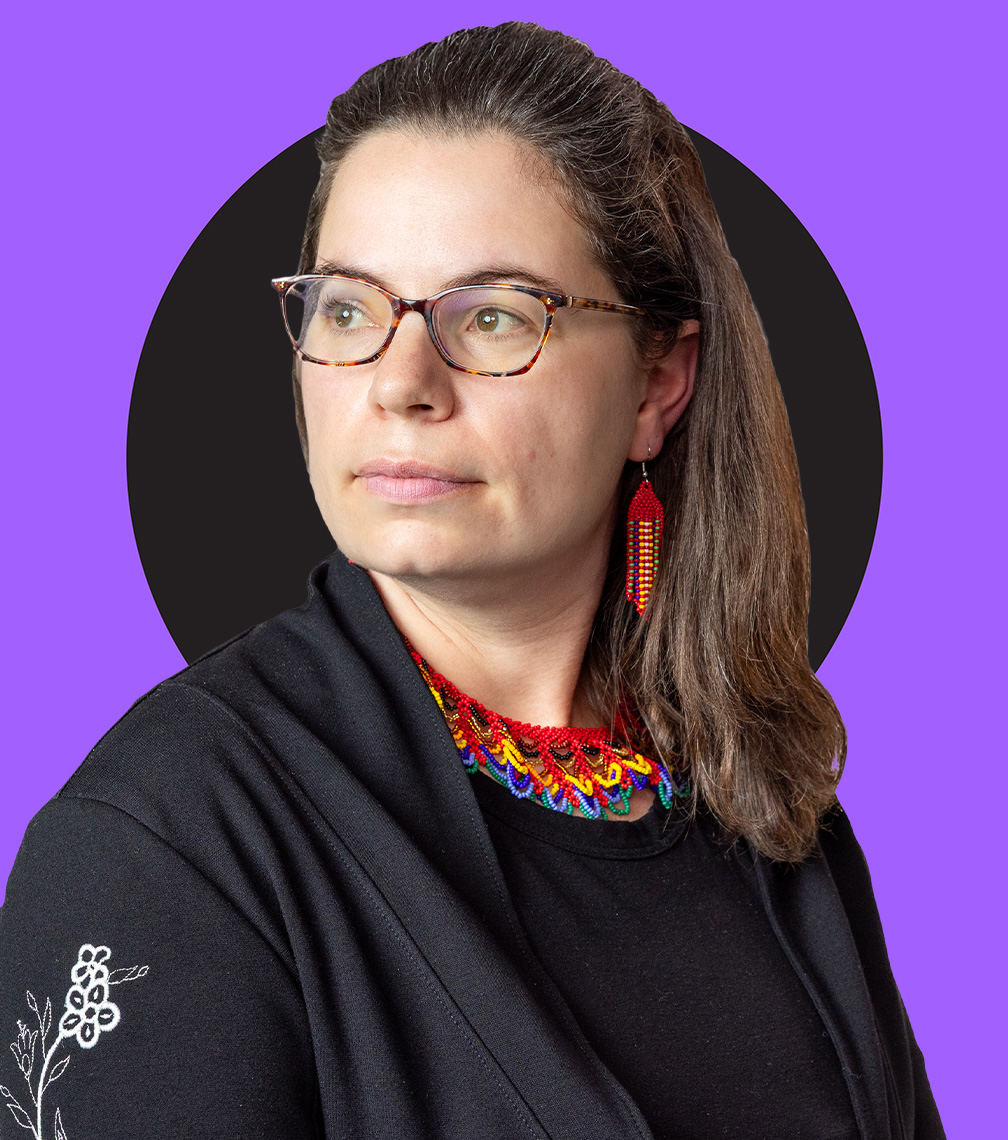
“Most people think about forensic science based on what they've seen on TV,” says Rebekah, a Métis forensic pathologist and professor at the Schulich School of Medicine & Dentistry. “They think it’s mostly about facts and evidence, which it is, but it’s also about people. Our work has a humanitarian component and it's our job to respect human dignity, seek truth from knowledge and protect human rights.”
Technically, forensic pathology examines non-natural or suspicious deaths, usually through an autopsy conducted by a specially trained medical doctor.
From a scientific perspective, it’s a complex and meticulous process. Rebekah says it uncovers the truth about how a person died – but those truths can be difficult for families and loved ones to face.
That painful reality creates a unique burden for families whose loved ones were among the thousands affected by the brutalities of colonization, which is why Rebekah believes forensic pathology demands special consideration when working with Indigenous communities.
“You have this lived experience as an Indigenous person,” says Rebekah. “Those values need to guide the forensic process. You can't do this work properly without incorporating Indigenous values, frameworks and knowledges. To ignore those values can be harmful.”
Rebekah was able to bring both her scientific expertise and cultural knowledge to her work with the National Advisory Committee on Residential Schools Missing Children and Unmarked Burials.
“Many people talk about First Nations, Métis and Inuit peoples as if we belong in museums, but we're alive and well today. The systems weren't designed for us to be in these spaces. We have to make space so we can truly improve the lives of our communities – that's not always easy work.”
And that is how a highly scientific field like forensic pathology can also serve as a tool for healing.


.jpg)






.jpg)


.jpg)
.jpg)
.jpg)
.jpg)

.jpg)




.jpg)




.jpg)

.jpg)




.jpg)
.jpg)






.jpg)

.jpg)

.jpg)


