How to keep Indigenous cultures alive.

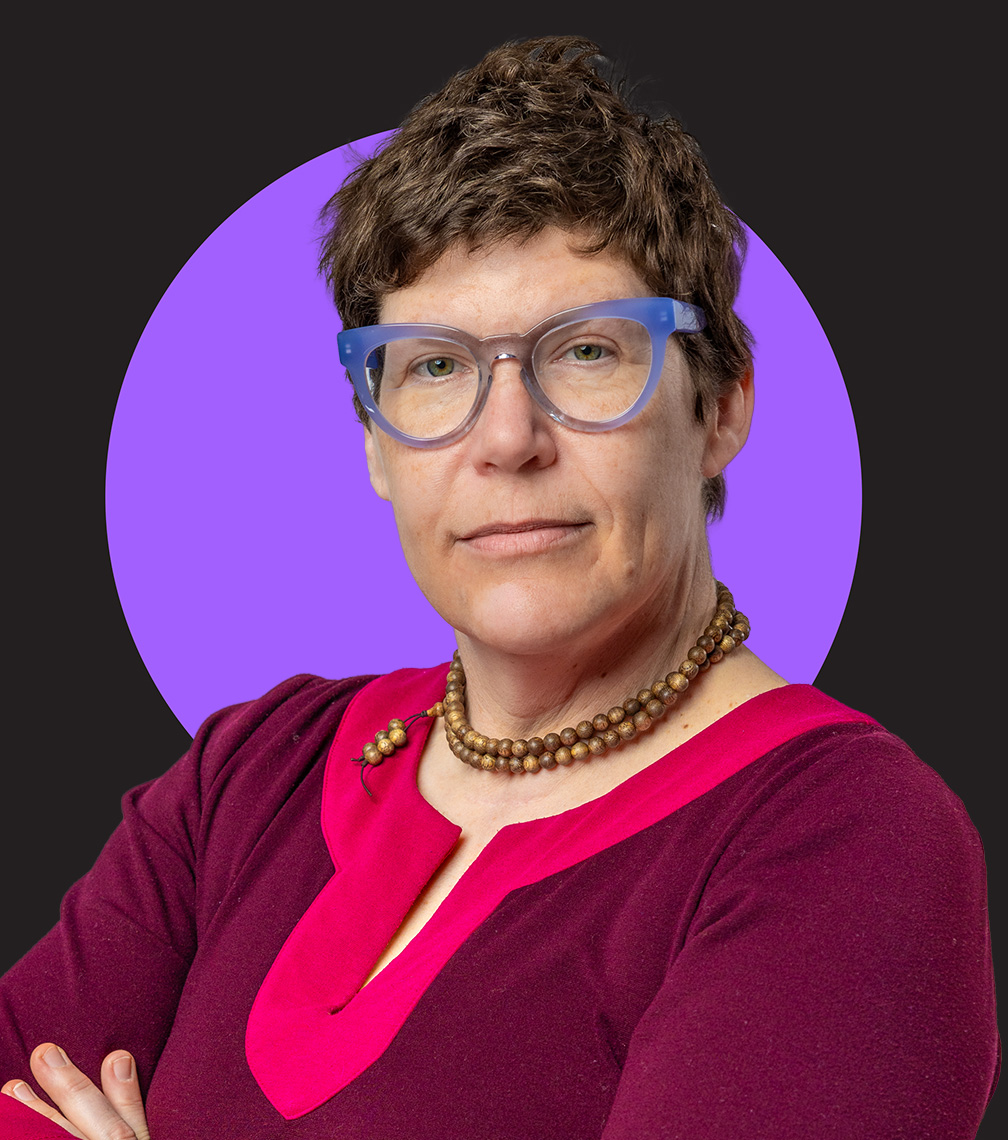
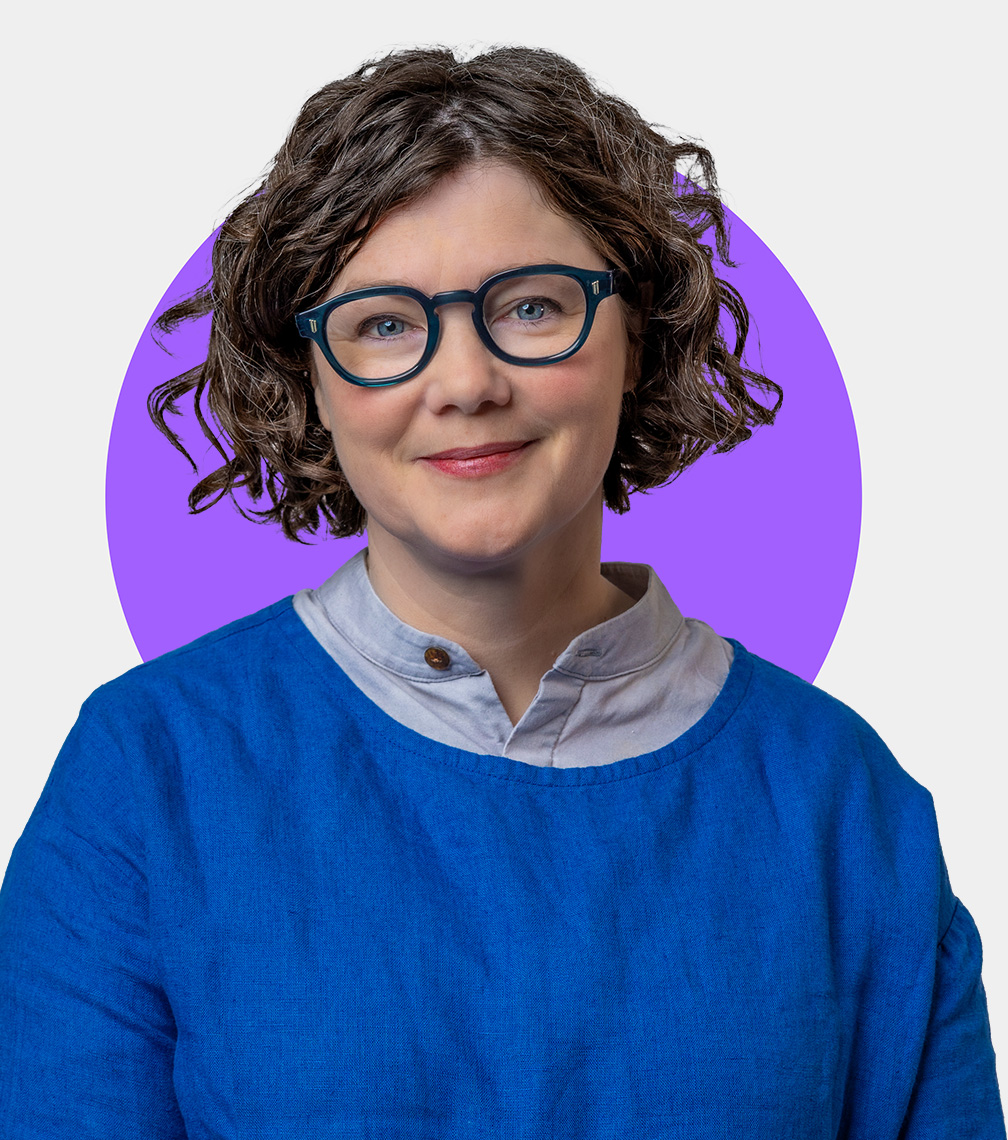
Chantelle Richmond

Director, Indigenous Health Lab | Professor, Geography and Environment, Western University
Large play button iconLarge replay icon

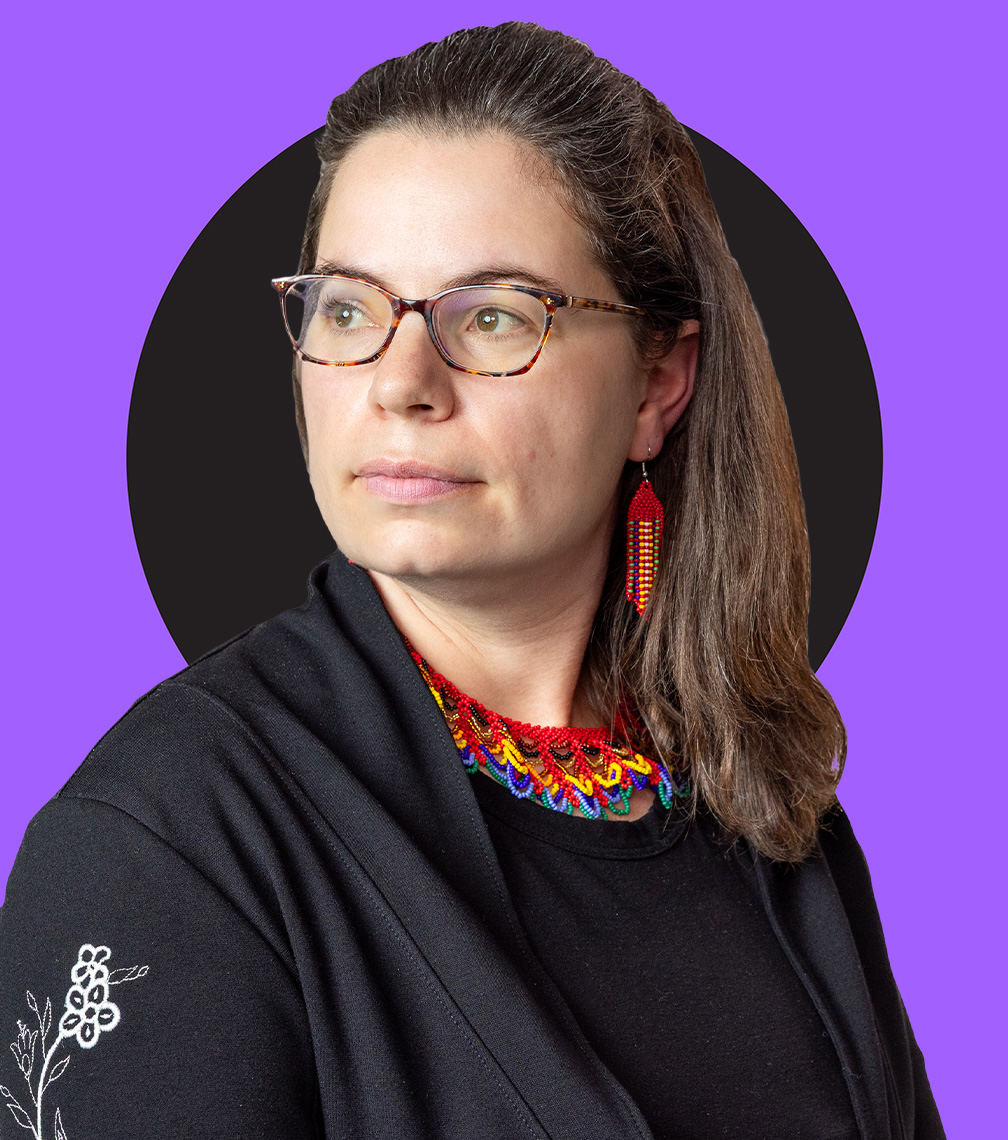
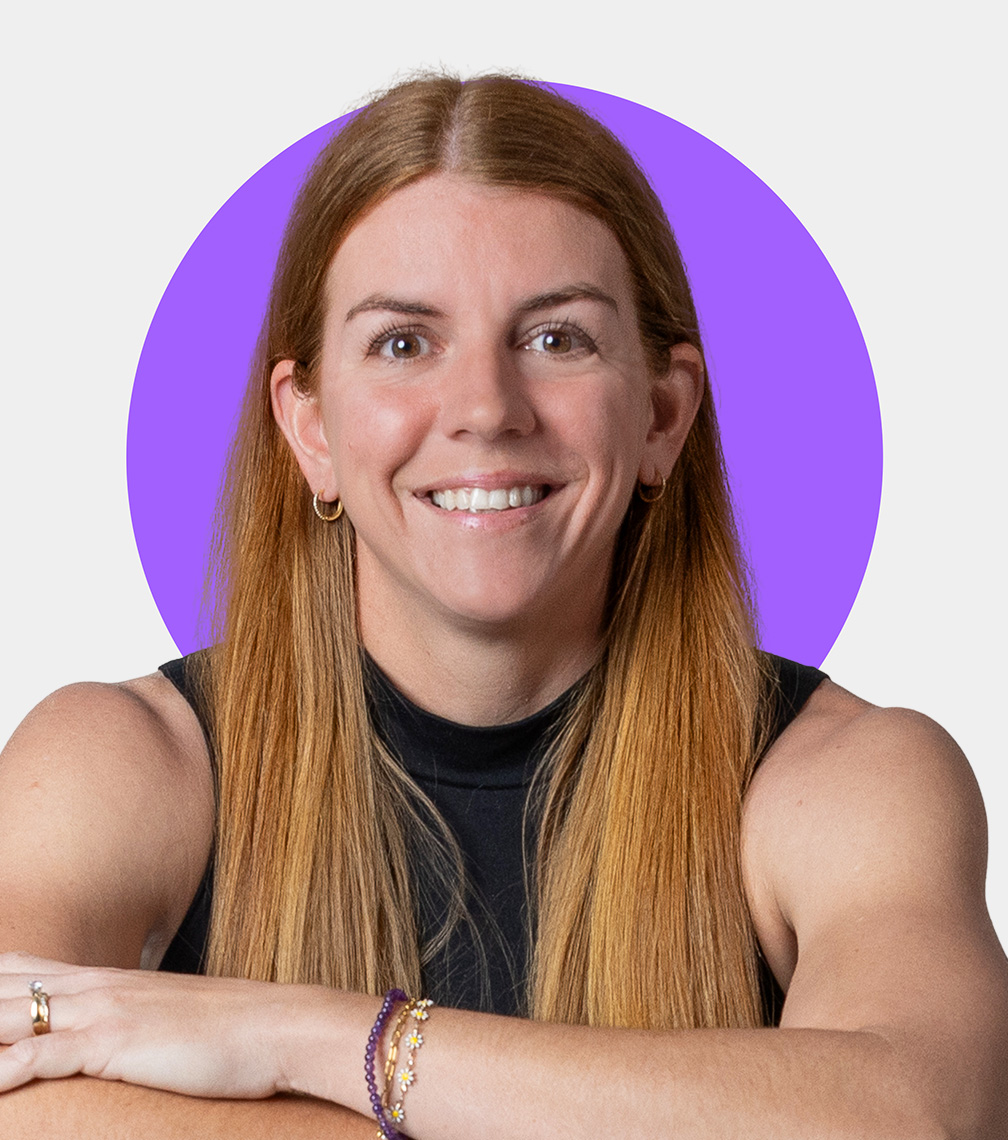
For more than 20 years, Chantelle Richmond has been strengthening Indigenous communities, preserving traditions and preparing the next generation to engage respectfully.

“Change doesn't happen merely through policy or because we wish it would,” says Chantelle, professor of geography and environment and Canada Research Chair in Indigenous Health and Environment at Western University. “It happens because people, especially in our Indigenous communities, use our relationships to talk about what is possible in places like Western.”

Chantelle, a member of Biigtigong Nishnaabeg on the north shore of Lake Superior, does some of this through her work with the Indigenous Health Lab.  

Based in the Faculty of Social Science, the lab trains and supports Indigenous and non-Indigenous students who work with communities on environmental and health concerns.

Chantelle says this gives students hands-on experience while making a real difference for Indigenous communities.  

“We are developing a new generation of students who understand how to work with Indigenous communities and listen to their concerns. They also understand how to be in the community and how to care for elders, how to play with the children, how to do the sorts of things you probably wouldn't learn sitting in a classroom.”

Chantelle

ʼs
Impact
Principles

  • Land holds knowledge, tradition and practices that shape how we understand the world.
  • Sharing your story can ignite purpose and fuel real change.
  • True understanding of culture comes from its underlying relationships and meanings, not only its visible expressions.

Chantelle also has a long partnership with the Southwest Ontario Aboriginal Health Access Centre (SOAHAC). Their research has shown Indigenous people make up one per cent of the population in London, Ont. but are 10 times more likely to experience food insecurity. And the fact that many Indigenous people are leaving their lands to live in cities means many are losing touch with their traditional foods.  

With a grant from the Canadian Institutes of Health Research, Chantelle, along with a number of her Western colleagues and trainees, collaborated with SOAHAC to launch a five-year project to support Indigenous people in food-related initiatives.  

The project supports and extends SOAHAC’s traditional Indigenous food bag program, by incorporating local land-based activities that restore cultural knowledge and practices.

Drawing on the expertise of local knowledge keepers, Richmond and her team are taking a holistic approach to food security, providing SOAHAC clients with traditional Indigenous foods and the cultural knowledge and skills to grow, hunt, cook and store them.

“It’s about nourishing bodies, but it’s also about nourishing minds, nourishing spirits and nourishing community.”

Chantelle believes her students’ experiences in these programs and in their class discussions will prepare them to support Indigenous communities – and to better understand how non-Indigenous people perceive those communities.  

“I'm just planting little seeds that I hope students can take into their careers and their personal lives. For example, someone might hear a comment about Indigenous people at Thanksgiving dinner. I want to help them respond, not with anger, but with love, and to be able to say, ‘What you've just said could be hurtful’. If I can do this, then I’ll have done something meaningful.”

Explore Stories

Chantelle

How to keep Indigenous cultures alive.

Play button icon

Marie

How to improve care for people living with dementia.

Play button icon

Daniel

How to build kids’ math skills.

Play button icon

Sydney

How rethinking prosthetics helps amputees walk with comfort.

Play button icon

Caroline

How to help athletes reach their full potential.

Play button icon

Thomas

How to explore identity when you experience disability.

Play button icon

Kaitlynn

How to help kids navigate social media safely.

Play button icon

Sheri

How to prepare for earthquakes with seismology mapping.

Play button icon

Marlene

How to support children who have early hearing loss.

Play button icon

Victoria

How to create welcoming communities for immigrants.

Play button icon

Chris

How migratory bird research is creating a better planet.

Play button icon

Elijah

How to improve access to rural health care.

Play button icon

Jackson

How volunteering builds communities.

Play button icon

Maya

How to build a community of entrepreneurs.

Play button icon

Sachindri

How collaboration with older adults drives change.

Play button icon

Hasitha

How AI can improve hearing assessments for kids.

Play button icon

Arun

How to shine a light on women-led households.

Play button icon

Alexandra

How to be a voice for people with ADHD.

Play button icon

Egide

How children in Rwanda advocate for better air quality.

Play button icon

Nicole

How inclusion can change the lives of disabled children.

Play button icon

Emma

How research is helping children with anxiety.

Play button icon

Trish

How research can empower educators to get kids moving.

Play button icon

adam

How to bring inclusivity into music education.

Play button icon

Brie

How drones are improving global access to health care.

Play button icon

Arad

How volunteering can help you find your purpose.

Play button icon

Ana Luisa

How technology can improve mobility.

Play button icon

Valerie

How to empower victims of gender-based violence.

Play button icon

Zola

How storytelling can help break down stigma.

Play button icon

Gordon

How space exploration drives innovation.

Play button icon

Alissa

How to protect your right to repair.

Play button icon

Tarun

How technology can strengthen health-care equity.

Play button icon

Abe

How to address homelessness through global dialogue.

Play button icon

Sheri

How to build community through art.

Play button icon

Luke

How to think critically about the role of AI in our lives.

Play button icon

Kalley

How to encourage Indigenous youth through sport.

Play button icon

Lauren

How to advance equity in the stem cell pool.

Play button icon

Demo

How adopting compassion can make a difference.

Play button icon

Tima

How a sustainable future relies on collective engagement.

Play button icon

Sonya

How to make health care truly inclusive.

Play button icon

Matthew

How literature can change the world.

Play button icon

Marianna

How women in tech need to be seen and heard.

Play button icon

Chloe

How vulnerability can normalize mental health disorders.

Play button icon

Greg

How collaboration and communication build safer communities.

Play button icon

Sunil

How data can support the fight for human rights.

Play button icon

Katreena

How to identify and address gender-based violence.

Play button icon

Ivy

How cultural identity lives through sport.

Play button icon

Raj

How hip-hop has cultural importance for Inuit communities.

Play button icon

Heading

Play button icon

Heading

Play button icon

Heading

Play button icon