How to make dentistry accessible to everyone.

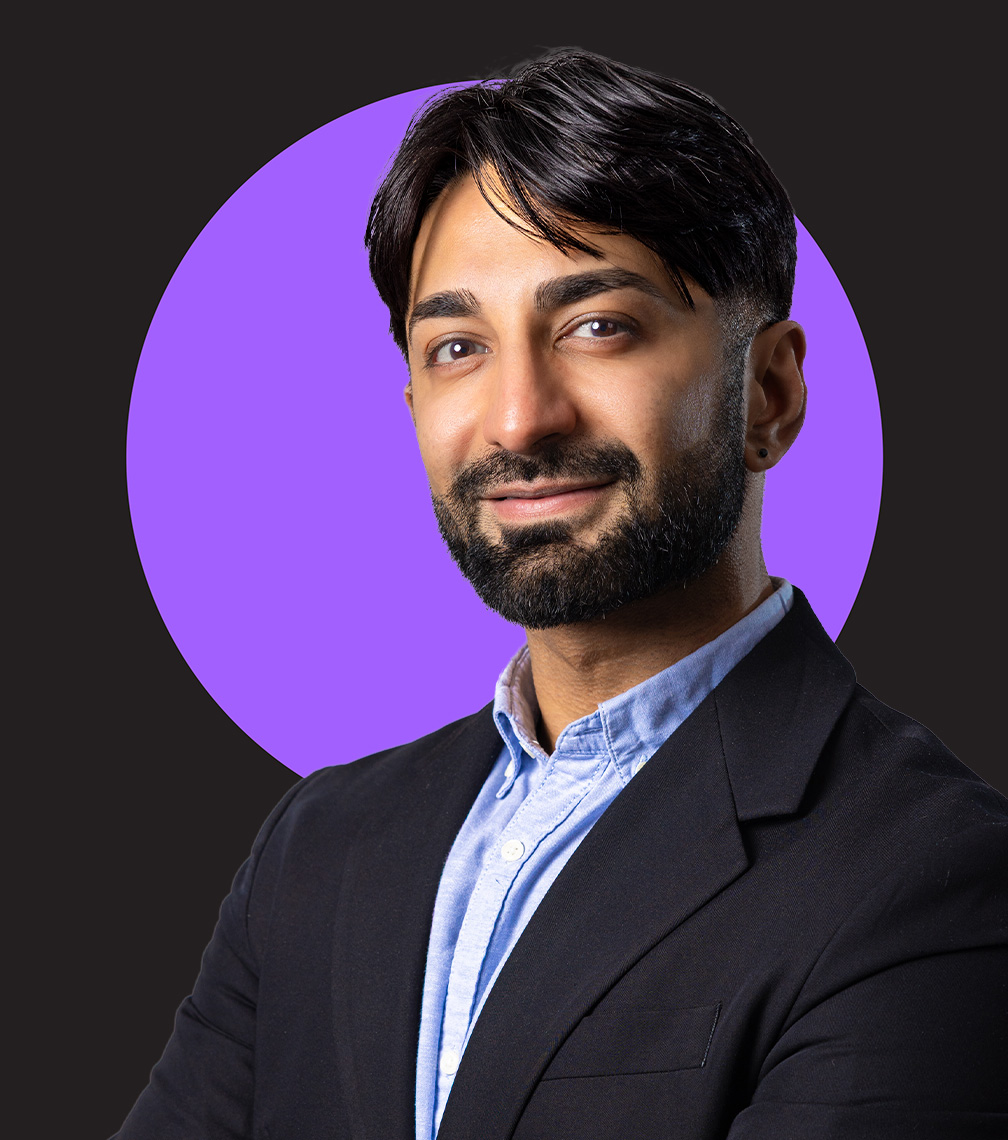
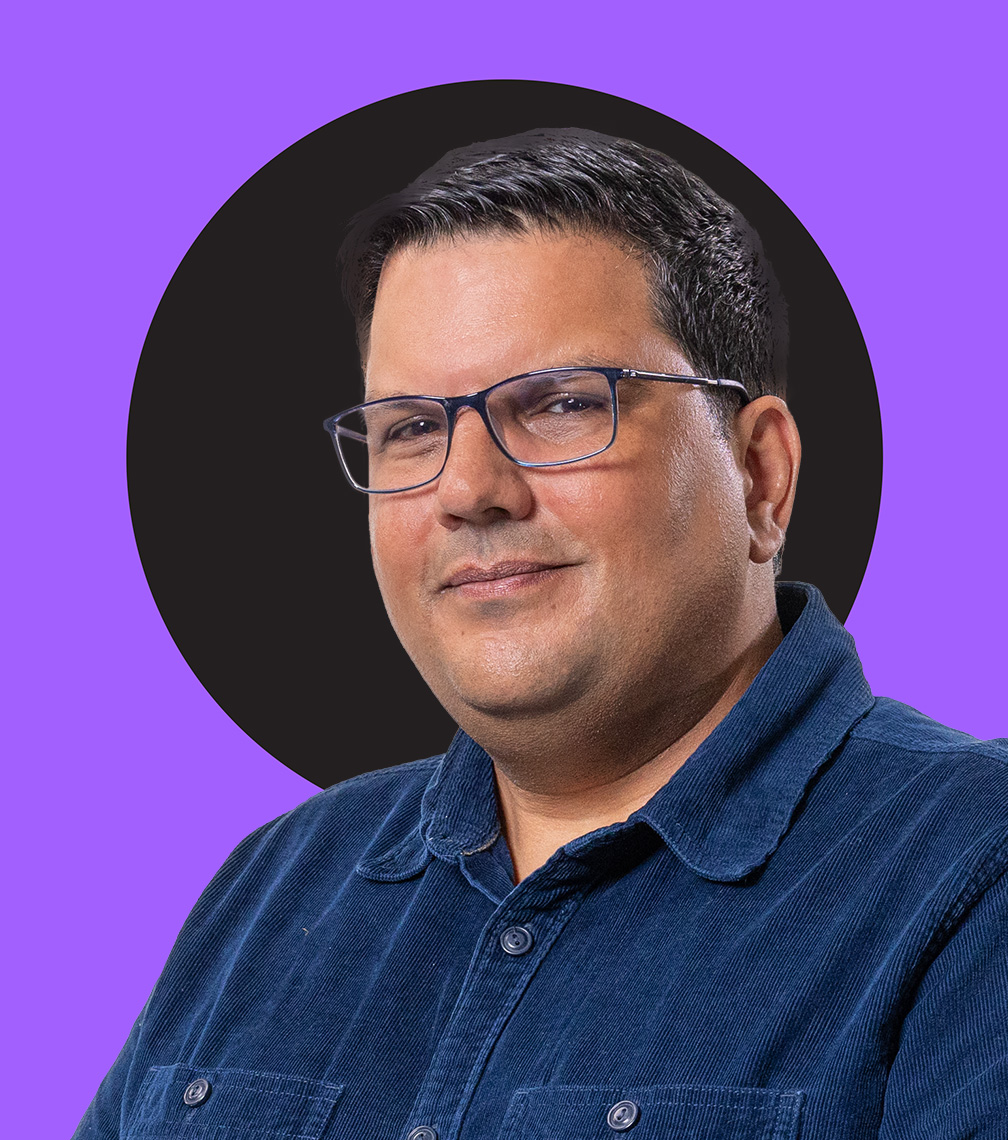
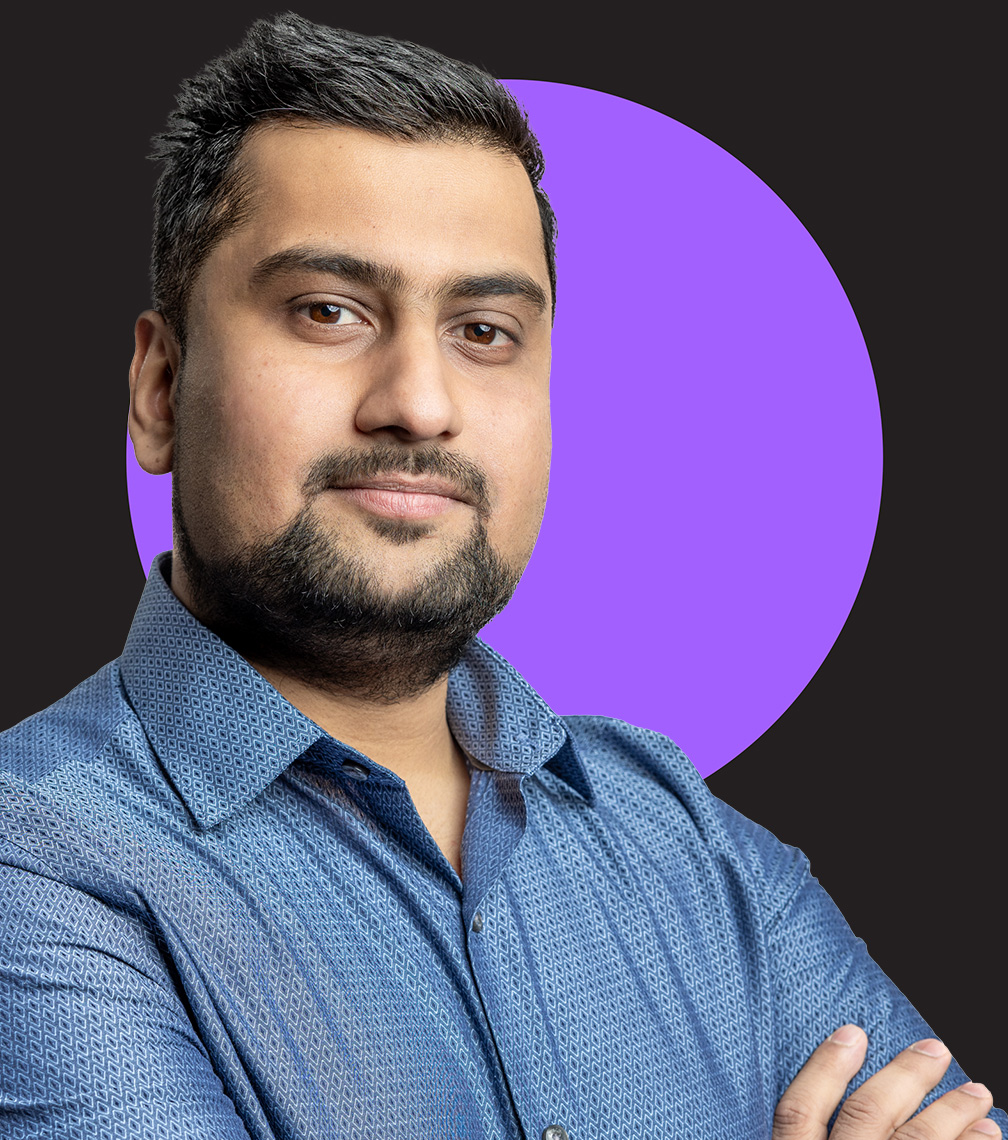
Abbas Jessani

Academic Lead, Community Service Learning Program | Associate Professor, Schulich School of Medicine & Dentistry, Western University
Large play button iconLarge replay icon

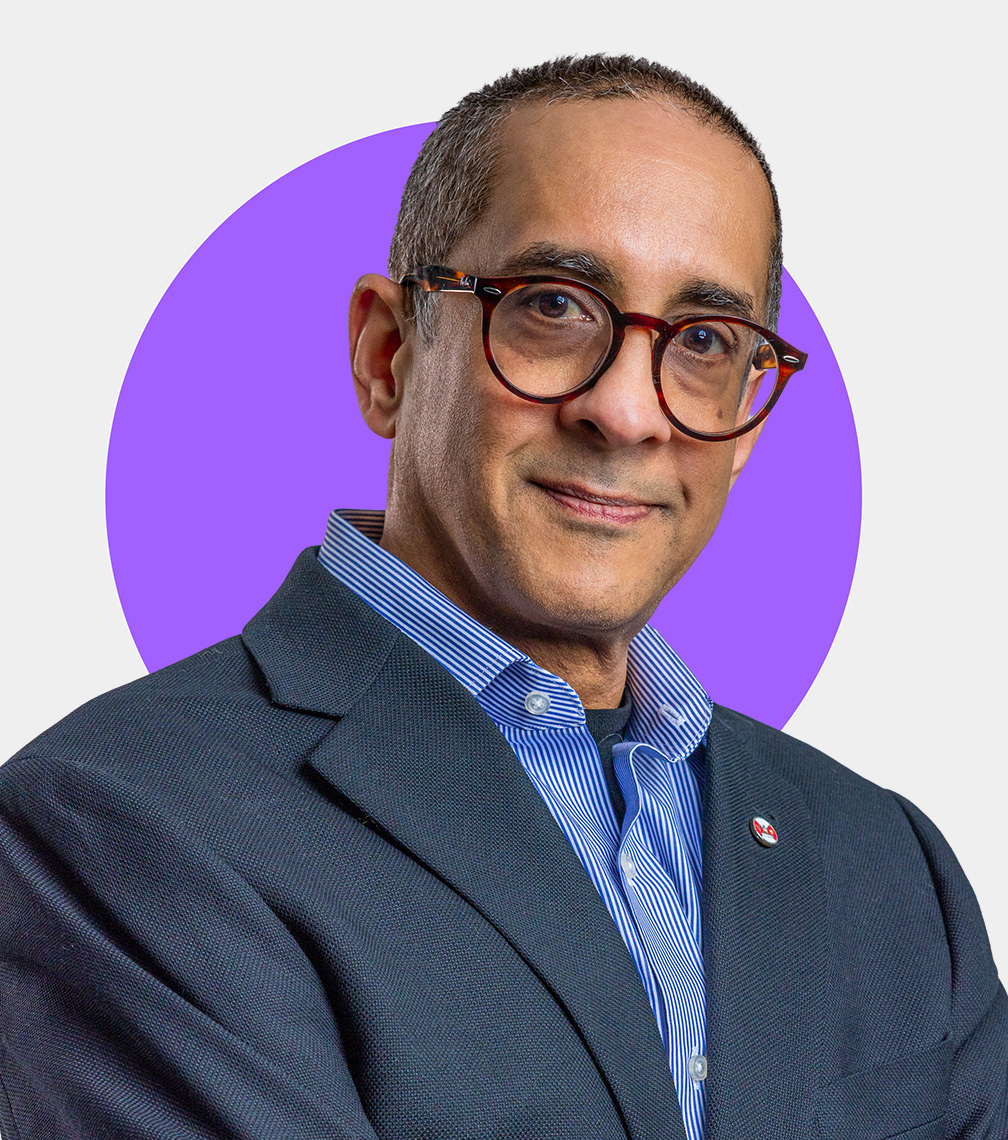
As a dentistry student in his home country of Pakistan, Abbas Jessani saw the cost of unequal care and knew he wanted to change it.

“I saw there was a big disparity in that part of the world when it comes to access to medical and dental care.”

Determined to address those gaps, he moved to Canada to pursue postgraduate degrees in public health dentistry at the University of British Columbia. He expected a different reality. Instead, he encountered a different system — with familiar barriers.

“What was fascinating to experience is that in a lot of ways, Canada was not much different when it came to dental care.”

He saw many people were blocked from dental care because they couldn’t afford it. But the problem was about more than just money.

“Certain populations in our own backyard feel stigmatized and judged because of where they're coming from, if they are refugees or they're asylum seekers, if they are people of colour, if they belong to gender minorities. Or they don’t feel comfortable accessing health care and dentistry because of prior experiences with health-care systems and the mistrust they have, based on those experiences.”

So Abbas decided to focus his career on making dentistry accessible to marginalized communities.

Since joining Schulich School of Medicine & Dentistry at Western University in 2020, Abbas has led the Community Service Learning (CSL) program. It provides undergraduate dental students with hands-on experience through placements at community sites and low-cost primary clinics throughout southwestern Ontario.  

The students treat a wide range of patients, with a focus on equity-seeking groups, including people living with HIV, high-risk youth facing addiction and housing challenges, refugees and newcomers to Canada, Indigenous Peoples and members of the LGBTQ+ community.

Abbas

ʼs
Impact
Principles

  • Health is not a privilege but a fundamental human right.
  • Care is most effective when it reflects the whole person, not just the diagnosis.
  • Restoring confidence can change the course of a life.

Abbas says the impact is delivered in two important ways.  

“Students are learning to provide dental treatment in a hands-on, real-life setting and understanding the importance of interdisciplinary care, since they work with teams that include physicians, nurses, pharmacists and other health professionals.”

He adds that the students learn how to care not for patients, but for people.  

“We call it ‘person-centred care.’ Many of the people we treat have difficult, complex lives. We want to consider their personal stories, trauma and cultural safety, all of which can influence oral health and treatment. We emphasize personalized care that works best for the individual.”

For the people receiving dental treatment, Abbas says the goal is to reduce the barriers that have kept them from receiving dental care and to support them in living healthier, fuller lives.

He recalls one individual treated by the students who was in urgent need of dental care. “The person said they were happy for the pandemic because they could wear a mask and not have to show their teeth to anyone.”  

And there was a woman with severe inflammation in her mouth that made it painful to eat and led to extreme weight loss.  

“We were able to treat the problem and restore her teeth. That had a very positive impact on her overall wellbeing.”

Abbas says the CSL program will be able to help many more people, thanks to a grant of $2.9 million from Health Canada. And he is proud of the small changes the students are making for the people they serve.  

“We are empowering people to smile again, to be able to interact with friends and go for a job interview because now they’re not missing their front teeth. They’re able to function at work again because they’re not in pain. We believe these small changes can have a big impact on everyday life.”

Explore Stories

Adam

How to create opportunities for athletes with disabilities.

Play button icon

Josh

How to develop accessible, lifesaving technology.

Play button icon

Nicole

How to build confidence in students.

Play button icon

Abbas

How to make dentistry accessible to everyone.

Play button icon

Susana

How to improve housing for migrant farm workers.

Play button icon

Diane-Laure

How to finance nature and equality.

Play button icon

Mike

How to create hope for people with ALS and their families.

Play button icon

Angela

How to shift the story on aging.

Play button icon

Chantelle

How to keep Indigenous cultures alive.

Play button icon

Eric

How to advance innovation and equity in infectious disease research.

Play button icon

Rebekah

How forensic pathology can support Indigenous healing.

Play button icon

Marie

How to improve care for people living with dementia.

Play button icon

Daniel

How to build kids’ math skills.

Play button icon

Sydney

How rethinking prosthetics helps amputees walk with comfort.

Play button icon

Caroline

How to help athletes reach their full potential.

Play button icon

Thomas

How to explore identity when you experience disability.

Play button icon

Kaitlynn

How to help kids navigate social media safely.

Play button icon

Sheri

How to prepare for earthquakes with seismology mapping.

Play button icon

Marlene

How to support children who have early hearing loss.

Play button icon

Victoria

How to create welcoming communities for immigrants.

Play button icon

Chris

How migratory bird research is creating a better planet.

Play button icon

Elijah

How to improve access to rural health care.

Play button icon

Jackson

How volunteering builds communities.

Play button icon

Maya

How to build a community of entrepreneurs.

Play button icon

Sachindri

How collaboration with older adults drives change.

Play button icon

Hasitha

How AI can improve hearing assessments for kids.

Play button icon

Arun

How to shine a light on women-led households.

Play button icon

Alexandra

How to be a voice for people with ADHD.

Play button icon

Egide

How children in Rwanda advocate for better air quality.

Play button icon

Nicole

How inclusion can change the lives of disabled children.

Play button icon

Emma

How research is helping children with anxiety.

Play button icon

Trish

How research can empower educators to get kids moving.

Play button icon

adam

How to bring inclusivity into music education.

Play button icon

Brie

How drones are improving global access to health care.

Play button icon

Arad

How volunteering can help you find your purpose.

Play button icon

Ana Luisa

How technology can improve mobility.

Play button icon

Valerie

How to empower victims of gender-based violence.

Play button icon

Zola

How storytelling can help break down stigma.

Play button icon

Gordon

How space exploration drives innovation.

Play button icon

Alissa

How to protect your right to repair.

Play button icon

Tarun

How technology can strengthen health-care equity.

Play button icon

Abe

How to address homelessness through global dialogue.

Play button icon

Sheri

How to build community through art.

Play button icon

Luke

How to think critically about the role of AI in our lives.

Play button icon

Kalley

How to encourage Indigenous youth through sport.

Play button icon

Lauren

How to advance equity in the stem cell pool.

Play button icon

Demo

How adopting compassion can make a difference.

Play button icon

Tima

How a sustainable future relies on collective engagement.

Play button icon

Sonya

How to make health care truly inclusive.

Play button icon

Matthew

How literature can change the world.

Play button icon

Marianna

How women in tech need to be seen and heard.

Play button icon

Chloe

How vulnerability can normalize mental health disorders.

Play button icon

Greg

How collaboration and communication build safer communities.

Play button icon

Sunil

How data can support the fight for human rights.

Play button icon

Katreena

How to identify and address gender-based violence.

Play button icon

Ivy

How cultural identity lives through sport.

Play button icon

Raj

How hip-hop has cultural importance for Inuit communities.

Play button icon

Heading

Play button icon

Heading

Play button icon

Heading

Play button icon