How to discuss disability with kids.

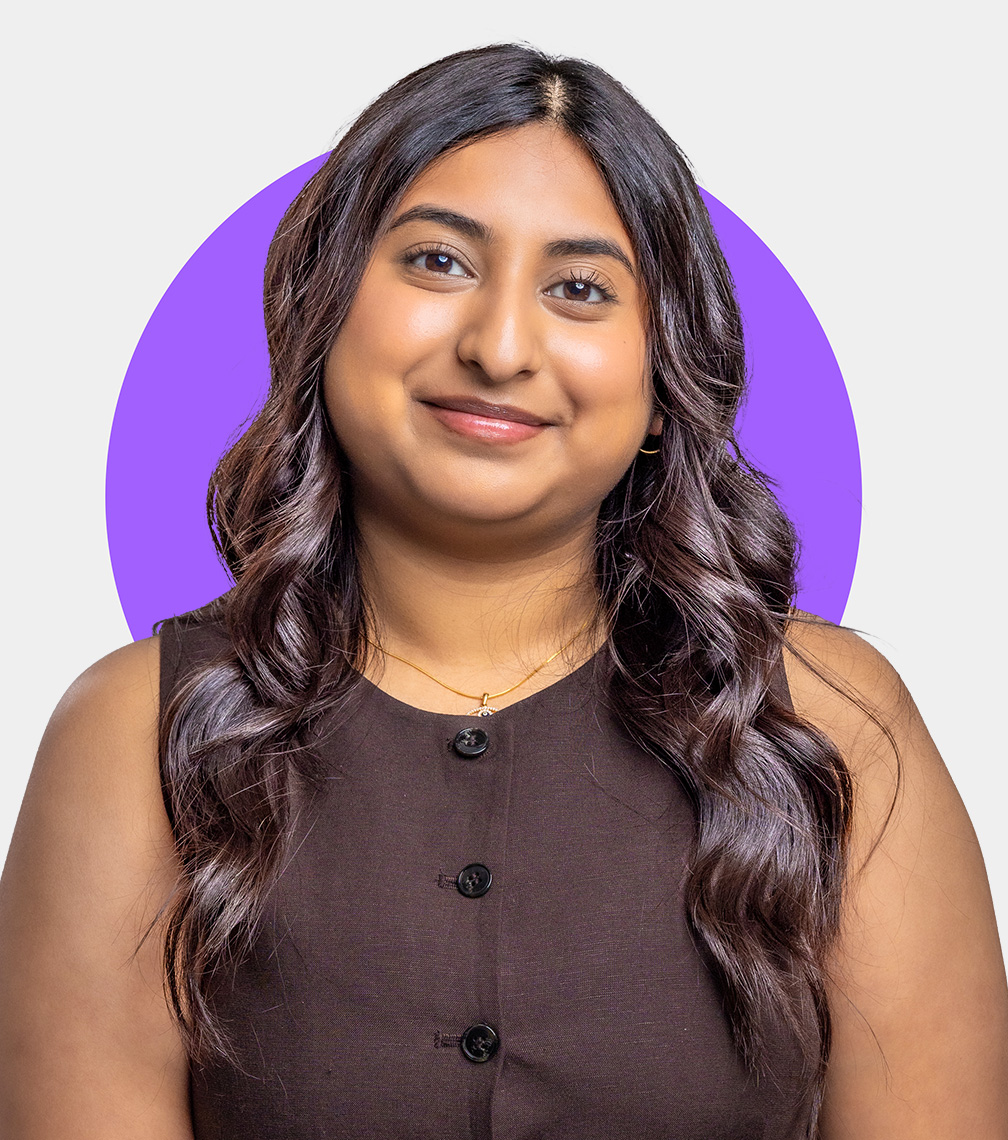
Vasharna Thangavel

Author and Advocate | BHSc’27, Western University
Large play button iconLarge replay icon

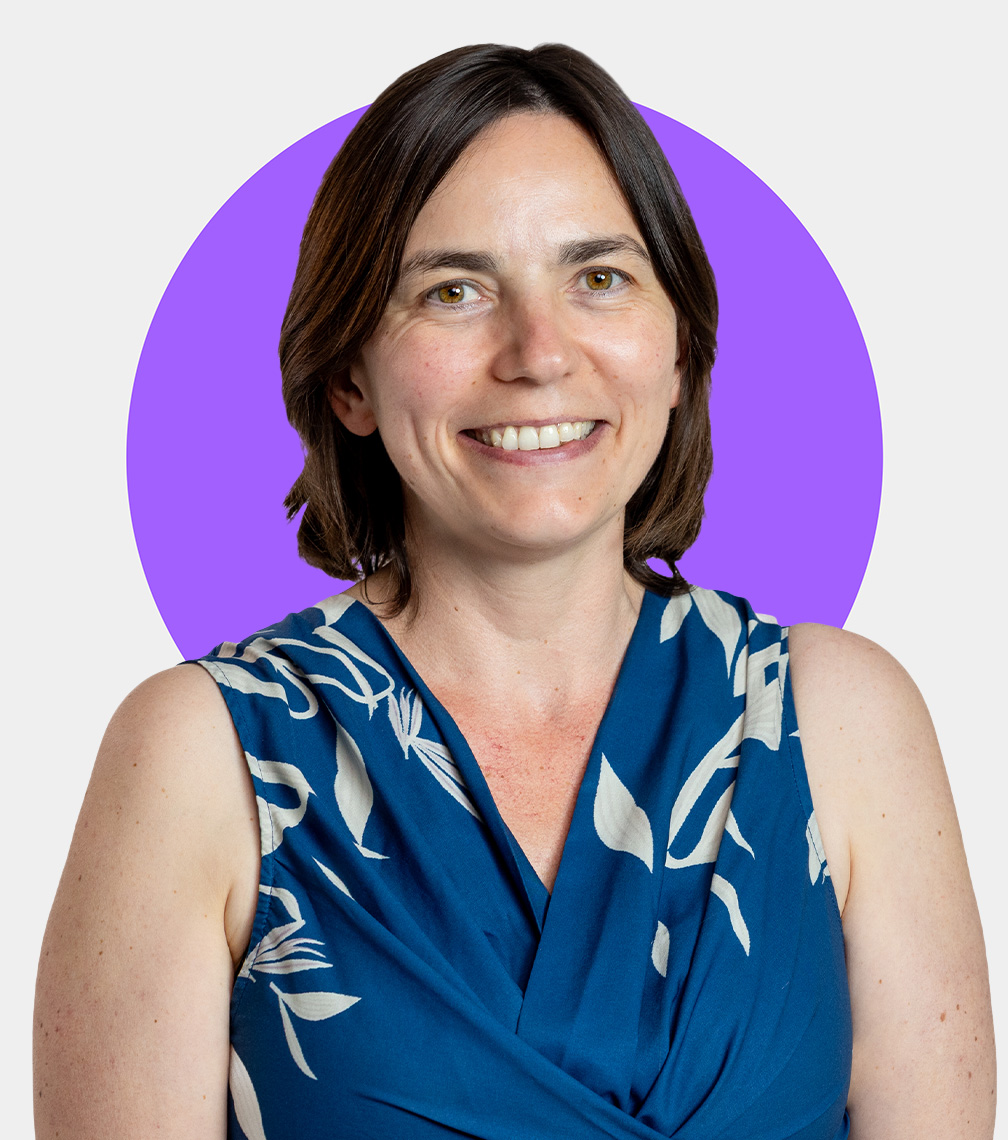
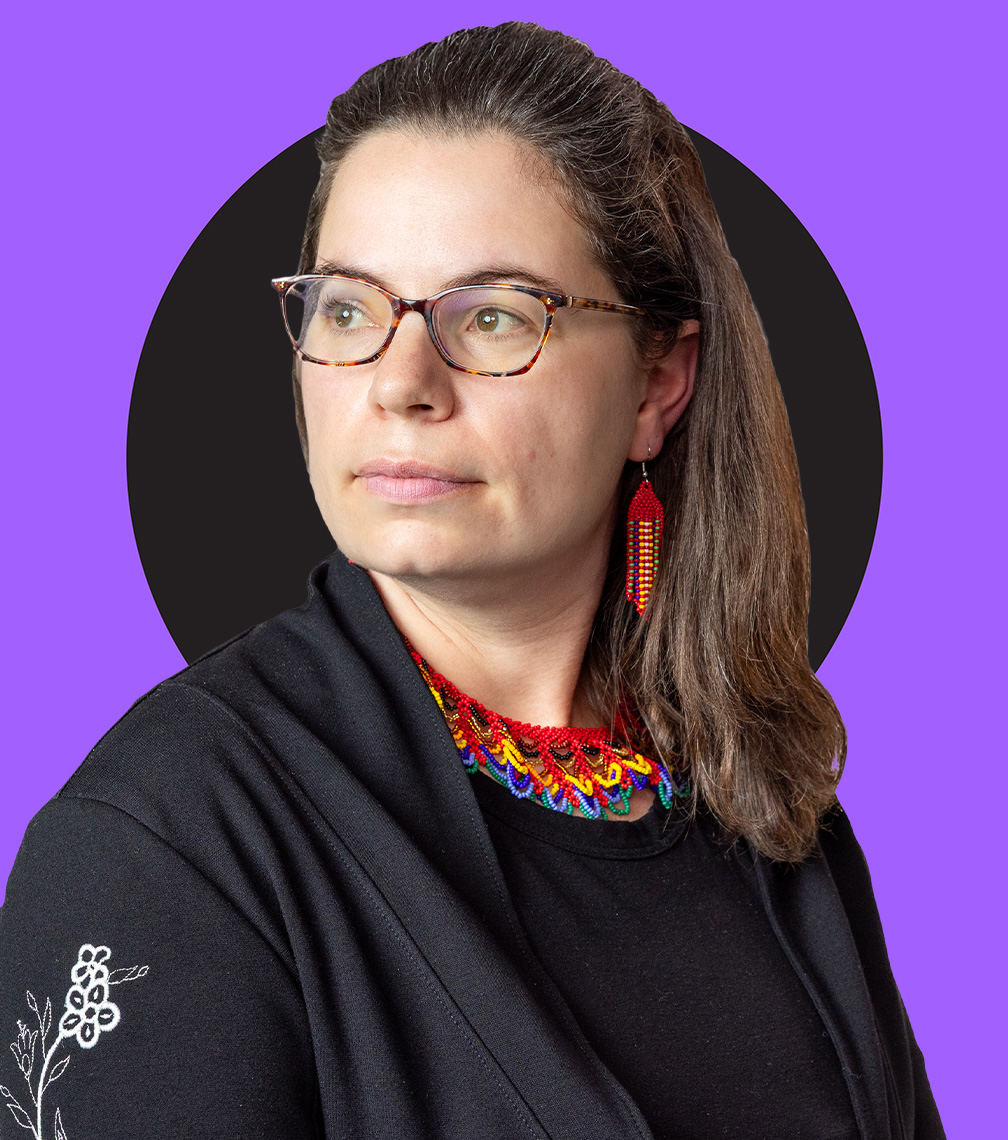
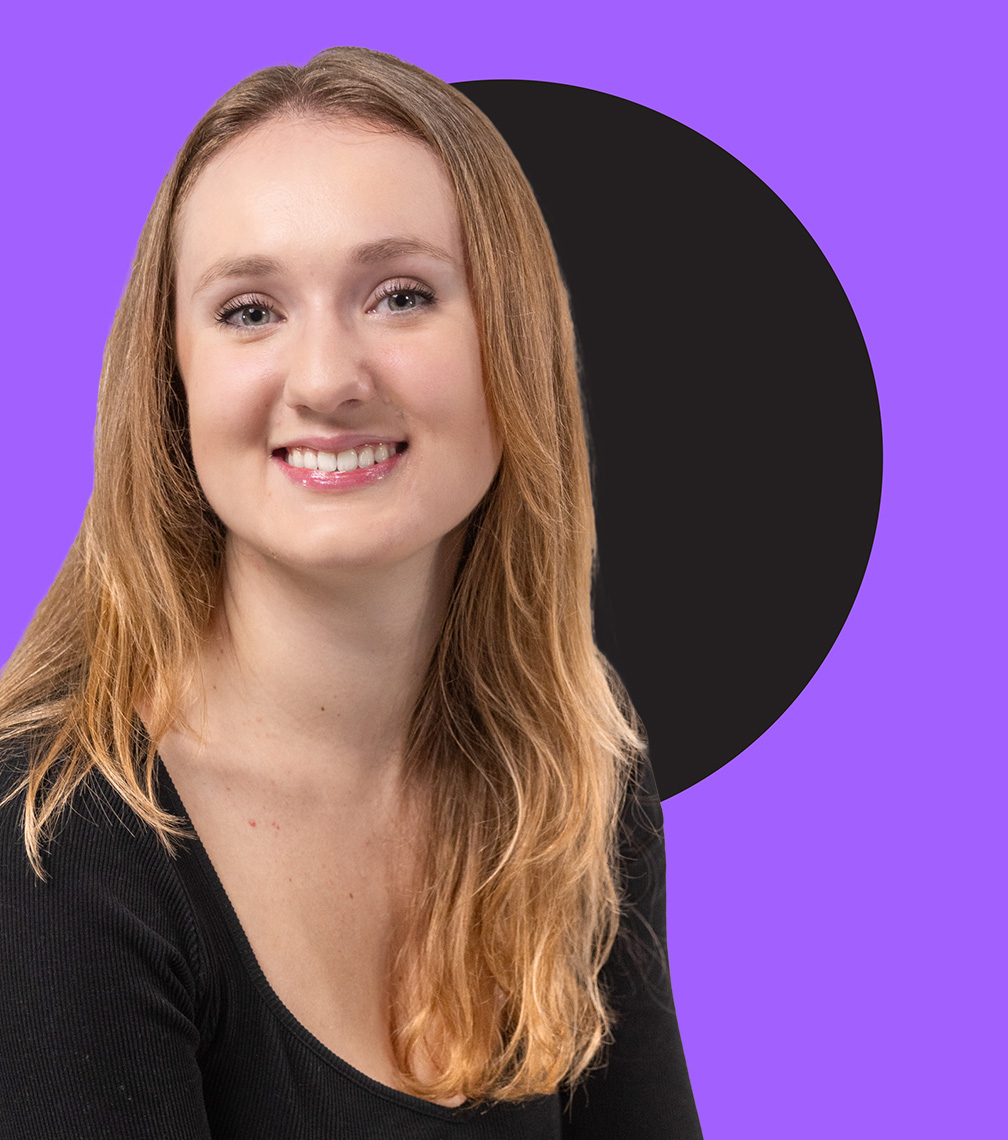
Vasharna Thangavel created Echo the elephant to help children feel comfortable talking about disability.  

Echo is the main character in Through Echo’s Eyes, a children’s book Vasharna wrote when she was in Grade 10 at Turner Fenton Secondary School in Brampton, Ont. The story follows Echo, who has a visual disability, as they encounter different daily tasks, learning they have the ability to do all the things others with sight can do. The book uses both Braille and standard text.  

“My goal with Echo is to let educators know how they can include or introduce disability at a very young age and eliminate stigma and stereotypes before they can even start to build in children,” says Vasharna, now entering her fourth year in health sciences at Western University.  

Her inspiration for the book came from her mother. Vasharna watched as she navigated different life experiences with a disability. 

Like Echo, Vasharna’s mother has an invisible disability that causes frequent shortness of breath and other challenges in daily living.

It didn’t just affect her mother’s quality of life; it also impacted Vasharna, who found she often had to try to explain her mom’s disability to others.

“When my mom would drop me off at school, my peers would notice she would use the accessible parking spot. They would ask me why. At times it was very difficult to open up and explain. I didn't really know what to say. I felt isolated from the rest of my friends.”

It was experiences like this that motivated Vasharna to create Through Echo’s Eyes.

Vasharna

ʼs
Impact
Principles

  • Early conversations about disability shape lifelong understanding.
  • Disability is one part of a person’s identity, not the whole story.
  • Open communication replaces assumptions with understanding.

“I want disability to be discussed more openly so people aren't scared to talk about it. And when you do meet someone with a disability you don't automatically place them into a box and discriminate against them and instead are able to have a conversation as you would with anyone else.”

She does her part to make that open communication happen. During high school, Vasharna volunteered at Holland Bloorview Kids Rehabilitation Hospital’s Spiral Garden summer camp and later worked as a life skills assistant in their employment program. In that role, she supported youth with disabilities in developing essential career skills and encouraged them to advocate for themselves and their disabilities in the workplace.  

She has donated copies of Through Echo’s Eyes to Holland Bloorview, other hospitals and her high school, and has received very positive feedback.  

“Holland Bloorview’s School Authority actually reached out to me and complimented me on how the book helps bridge that gap between sighted and non-sighted children and how we can acknowledge disability early on.”

Today, Vasharna continues her advocacy as a member of the Rick Hansen Foundation Youth Leadership Committee.  

“Through my work with the foundation, I've been able to connect with educators across Canada. I hope these interactions help bring my book into more classrooms so it can become a resource in schools across the country.”

As she works toward her undergraduate degree and contemplates her next steps, Vasharna also remains committed to advocating for inclusion for people with disabilities. Even if she reaches only a few people with her message, she knows from personal experience it makes a big difference.  

“When I think back to when I was younger, having someone like this to connect with would’ve meant everything. It would’ve helped me understand invisible disabilities and saved me a lot of isolation and fear. It's like seeing someone fight for you – and that’s what I want to keep doing for others.”

Explore Stories

Kirsty

How to make galleries and museums more sustainable.

Play button icon

Vasharna

How to discuss disability with kids.

Play button icon

Paul

How to level the playing field in business education.

Play button icon

Adam

How to create opportunities for athletes with disabilities.

Play button icon

Josh

How to develop accessible, lifesaving technology.

Play button icon

Nicole

How to build confidence in students.

Play button icon

Abbas

How to make dentistry accessible to everyone.

Play button icon

Susana

How to improve housing for migrant farm workers.

Play button icon

Diane-Laure

How to finance nature and equality.

Play button icon

Mike

How to create hope for people with ALS and their families.

Play button icon

Angela

How to shift the story on aging.

Play button icon

Chantelle

How to keep Indigenous cultures alive.

Play button icon

Eric

How to advance innovation and equity in infectious disease research.

Play button icon

Rebekah

How forensic pathology can support Indigenous healing.

Play button icon

Marie

How to improve care for people living with dementia.

Play button icon

Daniel

How to build kids’ math skills.

Play button icon

Sydney

How rethinking prosthetics helps amputees walk with comfort.

Play button icon

Caroline

How to help athletes reach their full potential.

Play button icon

Thomas

How to explore identity when you experience disability.

Play button icon

Kaitlynn

How to help kids navigate social media safely.

Play button icon

Sheri

How to prepare for earthquakes with seismology mapping.

Play button icon

Marlene

How to support children who have early hearing loss.

Play button icon

Victoria

How to create welcoming communities for immigrants.

Play button icon

Chris

How migratory bird research is creating a better planet.

Play button icon

Elijah

How to improve access to rural health care.

Play button icon

Jackson

How volunteering builds communities.

Play button icon

Maya

How to build a community of entrepreneurs.

Play button icon

Sachindri

How collaboration with older adults drives change.

Play button icon

Hasitha

How AI can improve hearing assessments for kids.

Play button icon

Arun

How to shine a light on women-led households.

Play button icon

Alexandra

How to be a voice for people with ADHD.

Play button icon

Egide

How children in Rwanda advocate for better air quality.

Play button icon

Nicole

How inclusion can change the lives of disabled children.

Play button icon

Emma

How research is helping children with anxiety.

Play button icon

Trish

How research can empower educators to get kids moving.

Play button icon

adam

How to bring inclusivity into music education.

Play button icon

Brie

How drones are improving global access to health care.

Play button icon

Arad

How volunteering can help you find your purpose.

Play button icon

Ana Luisa

How technology can improve mobility.

Play button icon

Valerie

How to empower victims of gender-based violence.

Play button icon

Zola

How storytelling can help break down stigma.

Play button icon

Gordon

How space exploration drives innovation.

Play button icon

Alissa

How to protect your right to repair.

Play button icon

Tarun

How technology can strengthen health-care equity.

Play button icon

Abe

How to address homelessness through global dialogue.

Play button icon

Sheri

How to build community through art.

Play button icon

Luke

How to think critically about the role of AI in our lives.

Play button icon

Kalley

How to encourage Indigenous youth through sport.

Play button icon

Lauren

How to advance equity in the stem cell pool.

Play button icon

Demo

How adopting compassion can make a difference.

Play button icon

Tima

How a sustainable future relies on collective engagement.

Play button icon

Sonya

How to make health care truly inclusive.

Play button icon

Matthew

How literature can change the world.

Play button icon

Marianna

How women in tech need to be seen and heard.

Play button icon

Chloe

How vulnerability can normalize mental health disorders.

Play button icon

Greg

How collaboration and communication build safer communities.

Play button icon

Sunil

How data can support the fight for human rights.

Play button icon

Katreena

How to identify and address gender-based violence.

Play button icon

Ivy

How cultural identity lives through sport.

Play button icon

Raj

How hip-hop has cultural importance for Inuit communities.

Play button icon

Heading

Play button icon

Heading

Play button icon

Heading

Play button icon