How to make galleries and museums more sustainable.

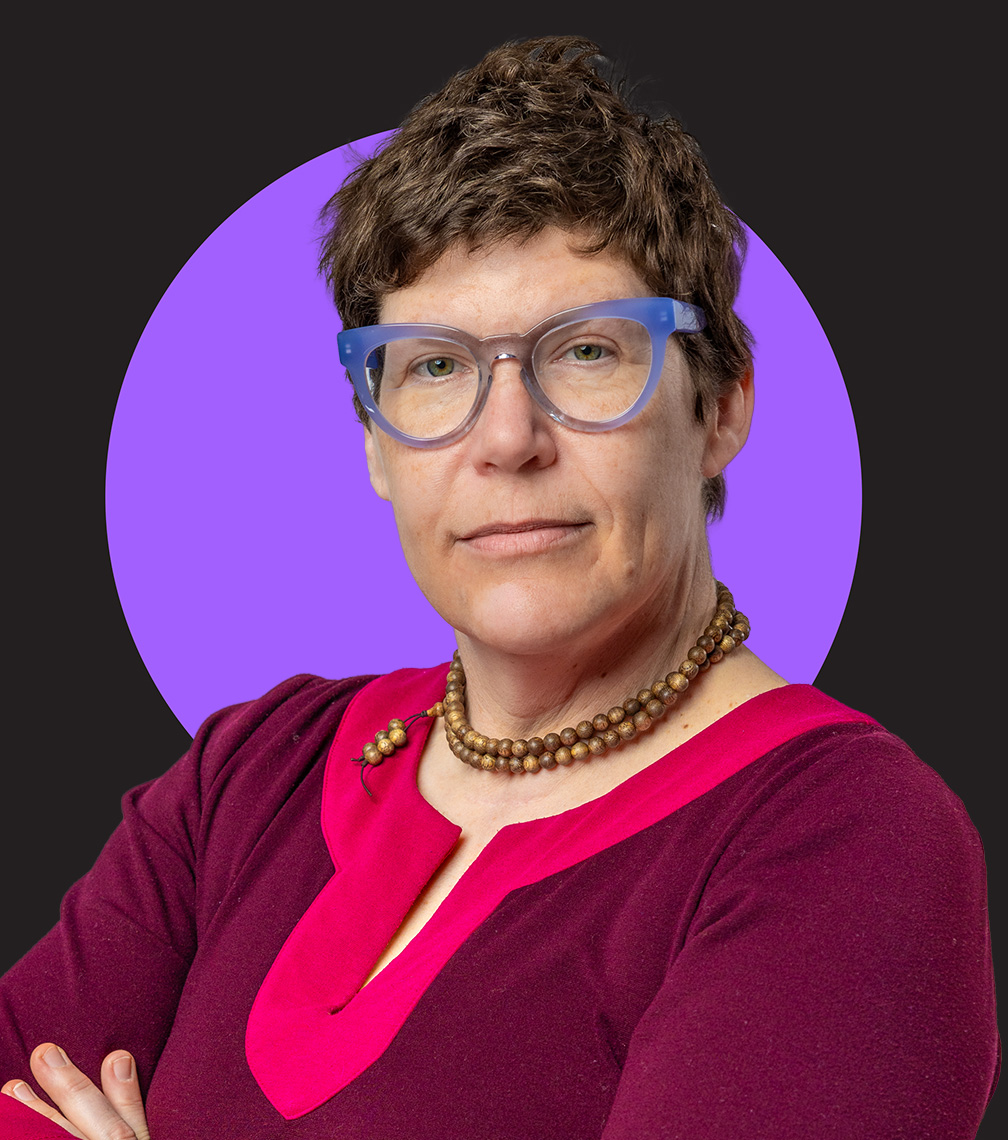
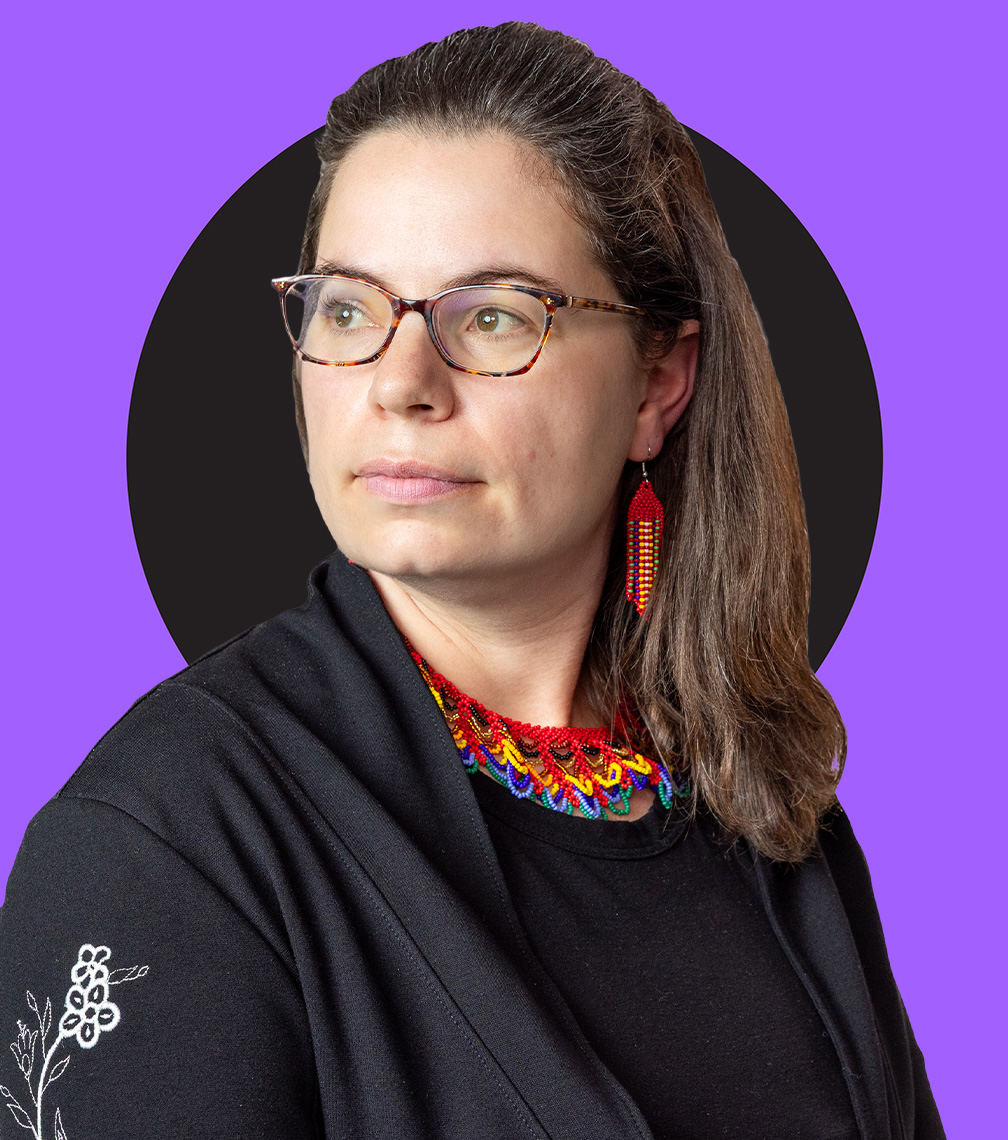
Kirsty Robertson

Director, Centre for Sustainable Curating | Professor, Visual Arts, Western University
Large play button iconLarge replay icon

Kirsty Robertson believes art galleries and museums have a powerful role to play in promoting environmental sustainability.

“It’s beautiful that museums preserve things and try to keep them for the future. But we also know that's really energy intensive,” says Kirsty, a visual arts professor at Western University and Canada Research Chair in Museums, Art and Sustainability.  

“We have to control temperature and humidity. Our works are very carefully packaged. And increasingly, we're thinking about our energy footprint.”

Reducing the environmental impact of galleries and museums is why Kirsty launched the Centre for Sustainable Curating (CSC) at Western in 2021.  

The CSC supports research, exhibitions, visual and digital production and education focused on environmental and social justice. It encourages research into waste, pollution, and the climate crisis, and the development of exhibitions and artworks with low carbon footprints.

“Through the centre, we think about questions that need asking. ‘Can we have slightly looser temperature and humidity controls? Could some artworks or artifacts that are not meant to last have a natural lifespan?’ The purpose isn't to just erase or forget about collections. It's to think differently about how we're collecting and what we're keeping for the future.”

From those questions, Kirsty and the CSC’s faculty, staff and students develop options for museum operations with an eye to sustainability.

Kirsty

ʼs
Impact
Principles

  • Small actions can spark meaningful, collective impact.
  • Practical tools turn knowledge into real-world action.
  • Sustainable change depends on understanding the full system.

“We come up with do-it-yourself, scrappy alternatives for a range of places that could be artist-run centres with really limited budgets or larger organizations looking for sustainable alternatives.”  

For example, since many museums use labels and signage made of vinyl, the CSC has been exploring paper options that can be adhered to the wall with paste made from rice or tapioca starch. The labels look like vinyl but can be composted at the end of an exhibition.  

Sustainable practices like these are spreading to museums around the world thanks in part to the CSC's outreach efforts. Their guide, Using the Resources at Hand: Sustainable Exhibition Design, is now used across the sector.

“The guide gives tips on how to curate less environmentally impactful exhibitions. There are many museums and galleries that have improved their exhibition practice, and we share that knowledge through images and guidelines.”

Like so much of university scholarship, Kirsty says collaboration is at the heart of the impact the CSC and other groups are making on sustainability.  

“Working together, the sector as a whole has shifted dramatically. Five years ago, not very many people were even thinking about sustainability in the arts sector. Now, it’s a leader in generating, sharing and implementing ideas, and giving museum visitors tips on how they can make change in their lives as well.”

She believes this focus on sustainability is giving museums and galleries a new relevance.  

“Looking at galleries and museums through the lens of sustainability provides a way to address their environmental footprint, protect cultural heritage for the future and think about how they can become places where the future is both imagined and represented.”

That future depends on what Kirsty says is the core mandate of the CSC – giving students an opportunity to learn and take their knowledge forward for further impact.  

“They learn how to think about their work, question things, test things, use their creativity. And then they go out into the sector ready for the challenges that they will encounter, both in museums and also in the wider world.”

Explore Stories

Kirsty

How to make galleries and museums more sustainable.

Play button icon

Vasharna

How to discuss disability with kids.

Play button icon

Paul

How to level the playing field in business education.

Play button icon

Adam

How to create opportunities for athletes with disabilities.

Play button icon

Josh

How to develop accessible, lifesaving technology.

Play button icon

Nicole

How to build confidence in students.

Play button icon

Abbas

How to make dentistry accessible to everyone.

Play button icon

Susana

How to improve housing for migrant farm workers.

Play button icon

Diane-Laure

How to finance nature and equality.

Play button icon

Mike

How to create hope for people with ALS and their families.

Play button icon

Angela

How to shift the story on aging.

Play button icon

Chantelle

How to keep Indigenous cultures alive.

Play button icon

Eric

How to advance innovation and equity in infectious disease research.

Play button icon

Rebekah

How forensic pathology can support Indigenous healing.

Play button icon

Marie

How to improve care for people living with dementia.

Play button icon

Daniel

How to build kids’ math skills.

Play button icon

Sydney

How rethinking prosthetics helps amputees walk with comfort.

Play button icon

Caroline

How to help athletes reach their full potential.

Play button icon

Thomas

How to explore identity when you experience disability.

Play button icon

Kaitlynn

How to help kids navigate social media safely.

Play button icon

Sheri

How to prepare for earthquakes with seismology mapping.

Play button icon

Marlene

How to support children who have early hearing loss.

Play button icon

Victoria

How to create welcoming communities for immigrants.

Play button icon

Chris

How migratory bird research is creating a better planet.

Play button icon

Elijah

How to improve access to rural health care.

Play button icon

Jackson

How volunteering builds communities.

Play button icon

Maya

How to build a community of entrepreneurs.

Play button icon

Sachindri

How collaboration with older adults drives change.

Play button icon

Hasitha

How AI can improve hearing assessments for kids.

Play button icon

Arun

How to shine a light on women-led households.

Play button icon

Alexandra

How to be a voice for people with ADHD.

Play button icon

Egide

How children in Rwanda advocate for better air quality.

Play button icon

Nicole

How inclusion can change the lives of disabled children.

Play button icon

Emma

How research is helping children with anxiety.

Play button icon

Trish

How research can empower educators to get kids moving.

Play button icon

adam

How to bring inclusivity into music education.

Play button icon

Brie

How drones are improving global access to health care.

Play button icon

Arad

How volunteering can help you find your purpose.

Play button icon

Ana Luisa

How technology can improve mobility.

Play button icon

Valerie

How to empower victims of gender-based violence.

Play button icon

Zola

How storytelling can help break down stigma.

Play button icon

Gordon

How space exploration drives innovation.

Play button icon

Alissa

How to protect your right to repair.

Play button icon

Tarun

How technology can strengthen health-care equity.

Play button icon

Abe

How to address homelessness through global dialogue.

Play button icon

Sheri

How to build community through art.

Play button icon

Luke

How to think critically about the role of AI in our lives.

Play button icon

Kalley

How to encourage Indigenous youth through sport.

Play button icon

Lauren

How to advance equity in the stem cell pool.

Play button icon

Demo

How adopting compassion can make a difference.

Play button icon

Tima

How a sustainable future relies on collective engagement.

Play button icon

Sonya

How to make health care truly inclusive.

Play button icon

Matthew

How literature can change the world.

Play button icon

Marianna

How women in tech need to be seen and heard.

Play button icon

Chloe

How vulnerability can normalize mental health disorders.

Play button icon

Greg

How collaboration and communication build safer communities.

Play button icon

Sunil

How data can support the fight for human rights.

Play button icon

Katreena

How to identify and address gender-based violence.

Play button icon

Ivy

How cultural identity lives through sport.

Play button icon

Raj

How hip-hop has cultural importance for Inuit communities.

Play button icon

Heading

Play button icon

Heading

Play button icon

Heading

Play button icon