How to level the playing field in business education.

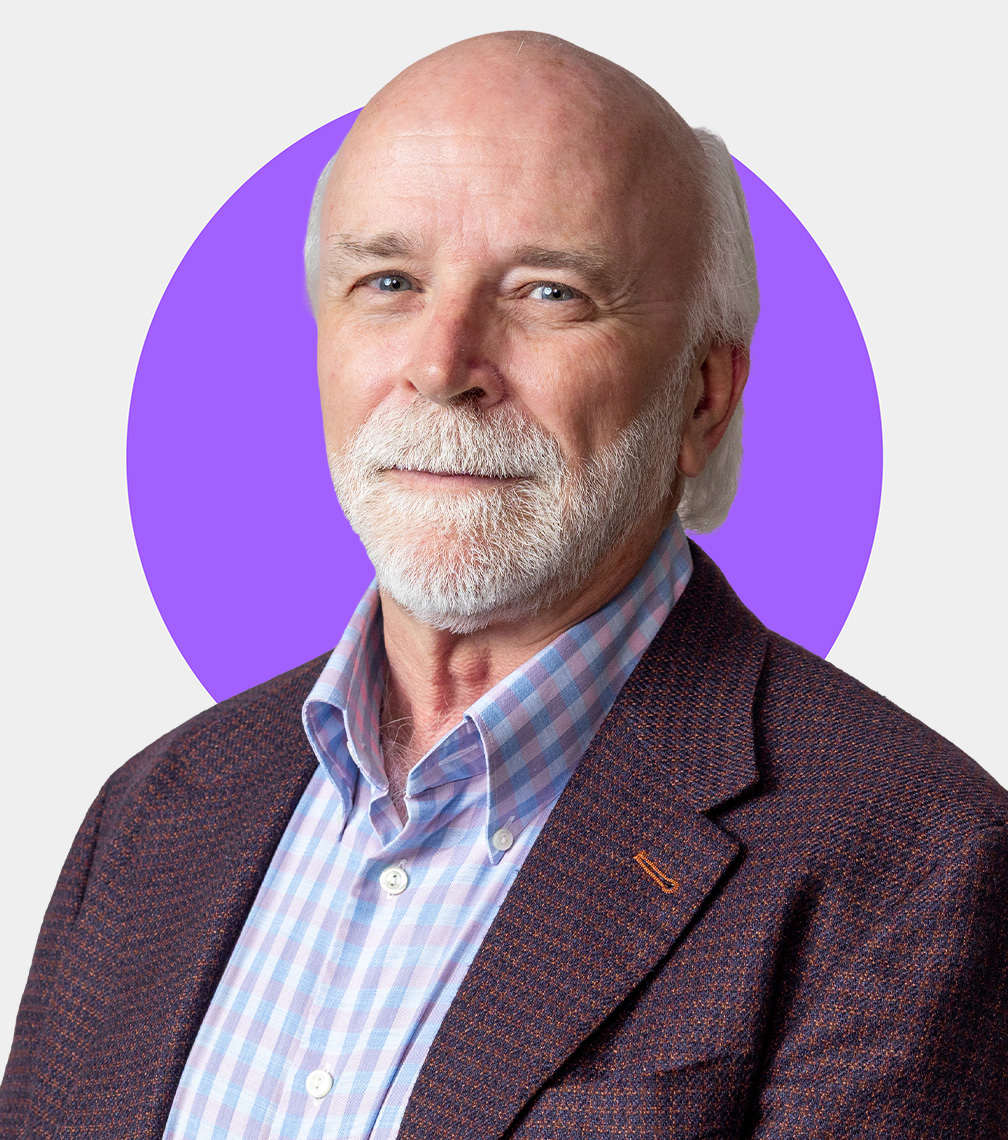
Paul Beamish

Founder, 39 Country Initiative | Professor, Ivey Business School, Western University
Large play button iconLarge replay icon

Millions of business students around the world lack access to the tools that shape future leaders. Paul Beamish is working to change that.

Launched in 2010, the 39 Country Initiative provides – free of charge – educational materials from the Ivey Business School at Western University to universities in the world’s poorest countries.  

The primary resource materials are business cases that bring real-world situations to life. One example is the recent Ivey case Northern Horizons Forestry: Tariff Shock, which examines how an Indigenous-owned company navigated rising U.S. tariffs and an increasingly hostile trade market.  

Paul, an Ivey professor of international business since 1987, says studying these cases provides students with a vital edge as they prepare for careers in business.  

“It's a methodology that allows students to get actively involved in learning how to make decisions, argue their position and negotiate. They develop critical thinking skills that go beyond what they can pick up from lectures, which are great for conveying facts, but not as good for teaching how to manage.”

With more than 10,000 business cases and learning materials, Ivey Publishing maintains one of the largest collections of its kind in the world. While access is supported through a range of pricing models, each case costs between $4.50 and $5 per student. That may be acceptable to universities in the western world, but the fee is out of reach for schools in many developing nations.

As part of its commitment to championing the case method around the world, Ivey offers no-cost access to materials for participating institutions in emerging economies through the 39 Country Initiative.

Paul

ʼs
Impact
Principles

  • Expanding access creates opportunity.
  • Big problems require big-picture thinking.
  • Privilege carries a responsibility to give back.

Instructors can simply register online with Ivey Publishing and access current cases, teaching notes and supporting materials as soon as they're published.

"They have access to the material at the same time the rest of the world has access to it."

Paul says without good business cases, professors and students in these countries are at a distinct disadvantage.  

“If you visit a country like Burundi or Tajikistan, you see how poverty impacts education. The teaching material they're using is often old, with outdated examples. And without the case method, students aren’t learning how to make decisions.”

Paul is quick to point out the 39 Country Initiative is “not a one-person operation.” Beyond providing business cases, professors from Ivey and a global network of universities travel to participating countries to help faculty learn how to teach using the case method. In 2025, the initiative taught 1,200 professors.

The response has been, without a doubt, positive.

Dr. Ratakane B. Maime of the National University of Lesotho says the method helps students build problem-solving and entrepreneurial skills. At Kathmandu University in Nepal, Roshee Lamichhane, assistant professor and coordinator of the Enterprise and Management Development Center, says the session “inspired us to incorporate more case studies and even begin writing our own.”

For Paul, hearing feedback like this proves the impact of the 39 Country Initiative.  

“There is no safety net when managing a business. Developing management skills is directly relevant to a student’s daily life and their future, and proper training helps them do things more effectively.”  

Paul is pleased with the progress but emphasizes there’s more to do. While it’s still called the 39 Country Initiative, the program now supports 47 countries, representing 2,500 universities where 10,000 local professors teach business. The potential impact is enormous.

“Our goal is to level the playing field in terms of management education worldwide. If we have the resources, why would we hold them back? We need to help those who haven't caught a break like we have in a prosperous country like Canada.”

Explore Stories

Kirsty

How to make galleries and museums more sustainable.

Play button icon

Vasharna

How to discuss disability with kids.

Play button icon

Paul

How to level the playing field in business education.

Play button icon

Adam

How to create opportunities for athletes with disabilities.

Play button icon

Josh

How to develop accessible, lifesaving technology.

Play button icon

Nicole

How to build confidence in students.

Play button icon

Abbas

How to make dentistry accessible to everyone.

Play button icon

Susana

How to improve housing for migrant farm workers.

Play button icon

Diane-Laure

How to finance nature and equality.

Play button icon

Mike

How to create hope for people with ALS and their families.

Play button icon

Angela

How to shift the story on aging.

Play button icon

Chantelle

How to keep Indigenous cultures alive.

Play button icon

Eric

How to advance innovation and equity in infectious disease research.

Play button icon

Rebekah

How forensic pathology can support Indigenous healing.

Play button icon

Marie

How to improve care for people living with dementia.

Play button icon

Daniel

How to build kids’ math skills.

Play button icon

Sydney

How rethinking prosthetics helps amputees walk with comfort.

Play button icon

Caroline

How to help athletes reach their full potential.

Play button icon

Thomas

How to explore identity when you experience disability.

Play button icon

Kaitlynn

How to help kids navigate social media safely.

Play button icon

Sheri

How to prepare for earthquakes with seismology mapping.

Play button icon

Marlene

How to support children who have early hearing loss.

Play button icon

Victoria

How to create welcoming communities for immigrants.

Play button icon

Chris

How migratory bird research is creating a better planet.

Play button icon

Elijah

How to improve access to rural health care.

Play button icon

Jackson

How volunteering builds communities.

Play button icon

Maya

How to build a community of entrepreneurs.

Play button icon

Sachindri

How collaboration with older adults drives change.

Play button icon

Hasitha

How AI can improve hearing assessments for kids.

Play button icon

Arun

How to shine a light on women-led households.

Play button icon

Alexandra

How to be a voice for people with ADHD.

Play button icon

Egide

How children in Rwanda advocate for better air quality.

Play button icon

Nicole

How inclusion can change the lives of disabled children.

Play button icon

Emma

How research is helping children with anxiety.

Play button icon

Trish

How research can empower educators to get kids moving.

Play button icon

adam

How to bring inclusivity into music education.

Play button icon

Brie

How drones are improving global access to health care.

Play button icon

Arad

How volunteering can help you find your purpose.

Play button icon

Ana Luisa

How technology can improve mobility.

Play button icon

Valerie

How to empower victims of gender-based violence.

Play button icon

Zola

How storytelling can help break down stigma.

Play button icon

Gordon

How space exploration drives innovation.

Play button icon

Alissa

How to protect your right to repair.

Play button icon

Tarun

How technology can strengthen health-care equity.

Play button icon

Abe

How to address homelessness through global dialogue.

Play button icon

Sheri

How to build community through art.

Play button icon

Luke

How to think critically about the role of AI in our lives.

Play button icon

Kalley

How to encourage Indigenous youth through sport.

Play button icon

Lauren

How to advance equity in the stem cell pool.

Play button icon

Demo

How adopting compassion can make a difference.

Play button icon

Tima

How a sustainable future relies on collective engagement.

Play button icon

Sonya

How to make health care truly inclusive.

Play button icon

Matthew

How literature can change the world.

Play button icon

Marianna

How women in tech need to be seen and heard.

Play button icon

Chloe

How vulnerability can normalize mental health disorders.

Play button icon

Greg

How collaboration and communication build safer communities.

Play button icon

Sunil

How data can support the fight for human rights.

Play button icon

Katreena

How to identify and address gender-based violence.

Play button icon

Ivy

How cultural identity lives through sport.

Play button icon

Raj

How hip-hop has cultural importance for Inuit communities.

Play button icon

Heading

Play button icon

Heading

Play button icon

Heading

Play button icon