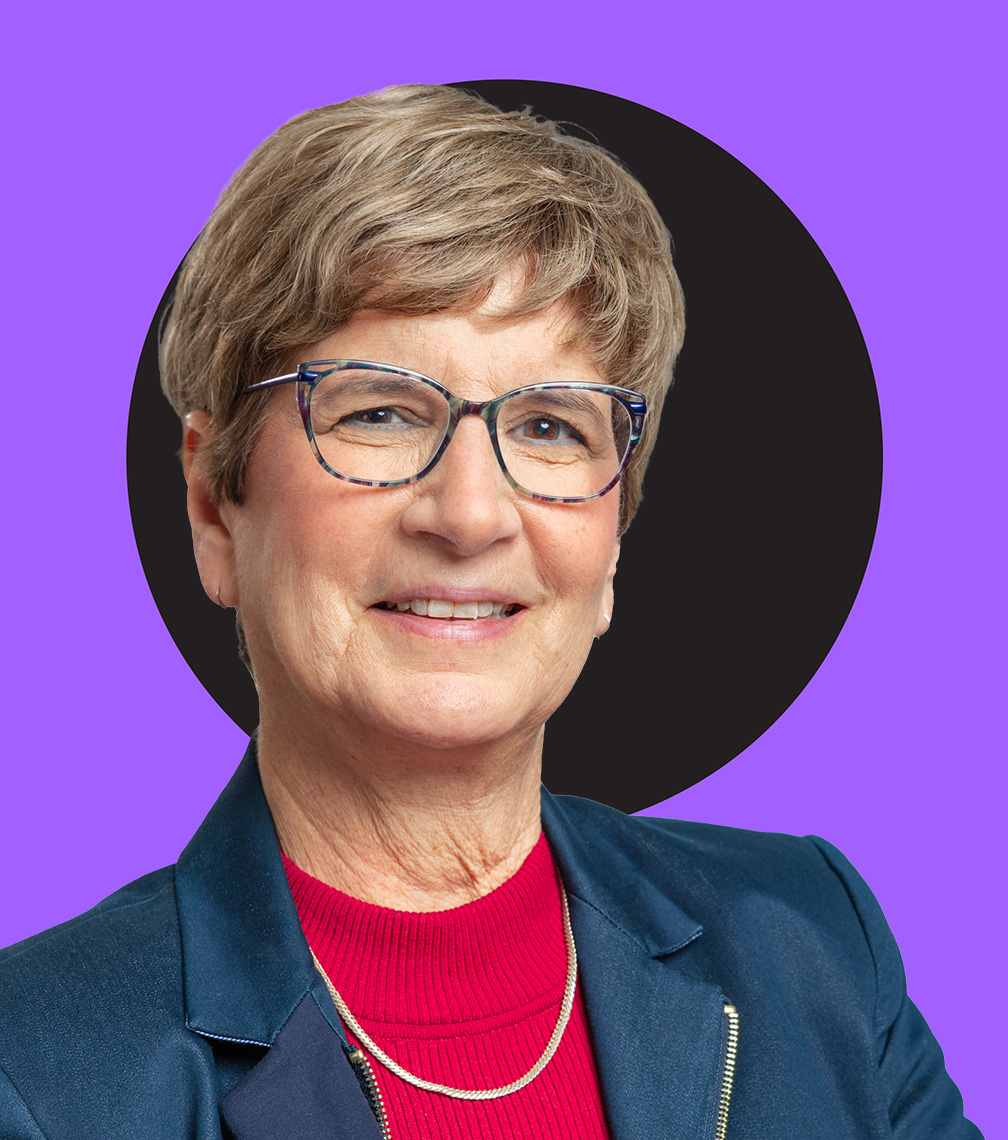
How to build confidence in students.

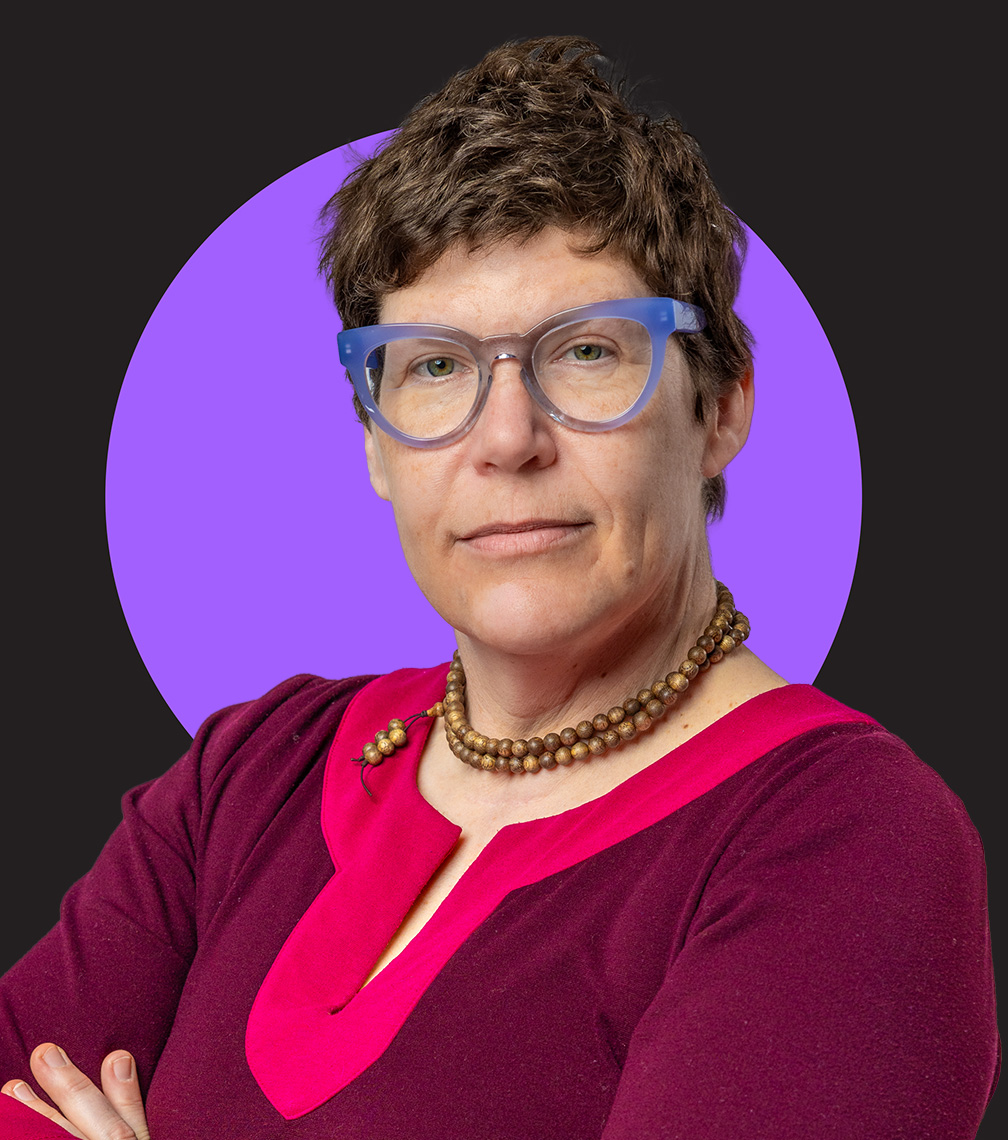
Nicole Campbell

Project Lead, Uncovering the Hidden Curriculum | Associate Professor, Schulich School of Medicine & Dentistry, Western University
Large play button iconLarge replay icon

Subject knowledge alone isn’t enough. To succeed, students also need confidence, context and skills rarely taught.

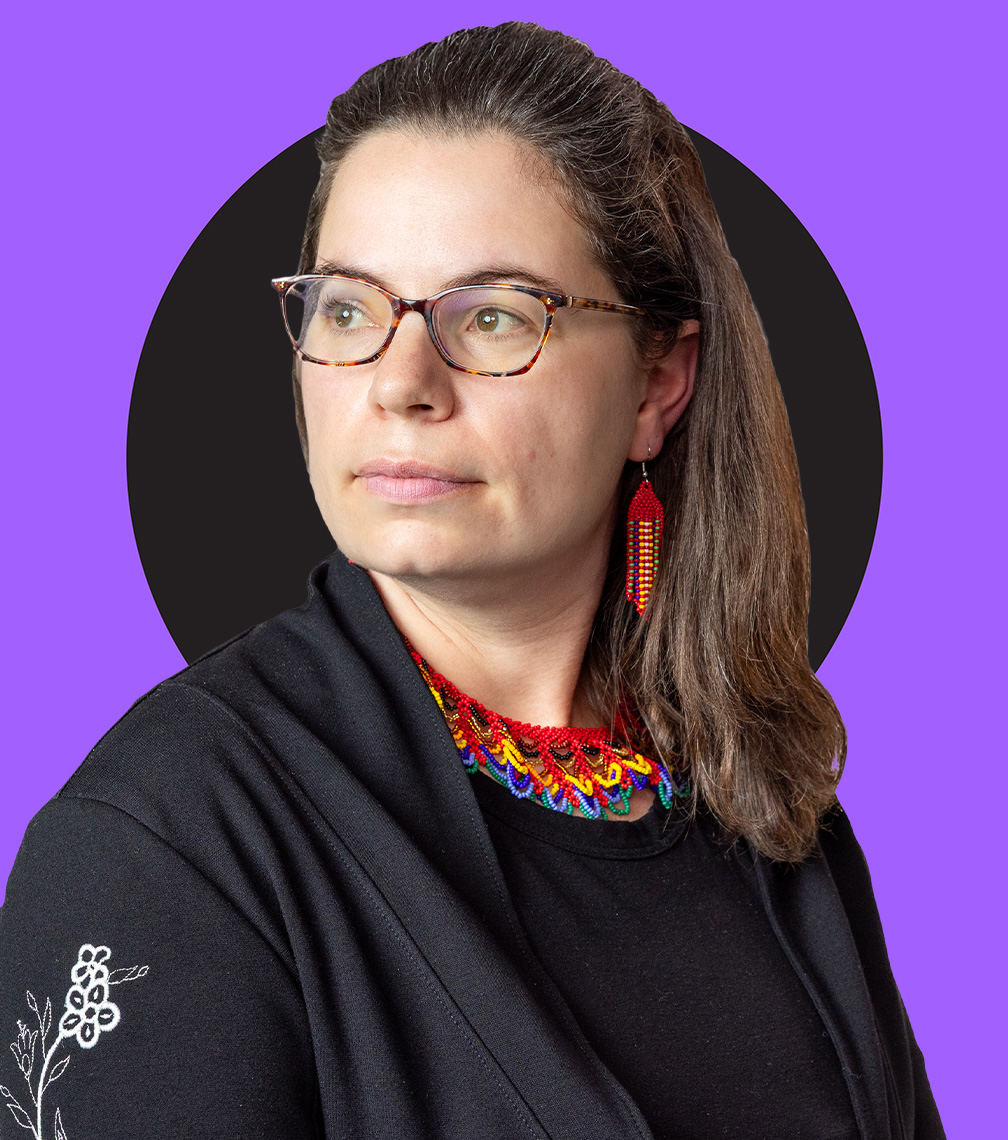
Nicole Campbell is on a mission to address this gap, known as the – “hidden curriculum”.

Early in her career as a professor in the Schulich School of Medicine & Dentistry at Western University, Nicole noticed her students were smart about their subject areas and completing their work. But she could sense something was preventing them from reaching their full potential.  

“When I started to dig deeper, I noticed these foundational hurdles students needed to overcome to achieve their academic goals,” says Nicole.

She observed a range of challenges, including time management, prioritization and interpersonal issues, as well as gaps in understanding academic norms and expectations. What professors might take for granted, like how to format a paper or what an acronym means, became roadblocks that added extra stress and anxiety for students.

Nicole could relate.  

Things did not come easy to me as a student. When I reflect on my past, I often think about what I wish instructors had taught me just to make some of those navigations a little bit easier.”

So she decided to take action. With a grant from eCampus Ontario Virtual Learning Strategy, Nicole and a team of specialists developed a digital toolkit for students and educators.

Nicole

ʼs
Impact
Principles

  • Making expectations explicit creates more equitable learning.
  • Skills taught today shape success long after graduation.
  • Improving someone’s confidence can change their life trajectory.

Launched in 2022, the toolkit is called Uncovering the Hidden Curriculum (UTHC). Open and accessible to all, it’s a website with separate paths for learners and educators each with five domains: executive function, communications, critical thinking, inter- and intrapersonal and social accountability. Across all the domains, 54 skills are outlined, with lessons on how learners can master the skills and how educators can integrate them into curriculum.  

“These skills matter in the classroom and well after graduation,” says Nicole.

Three years after launch, Nicole is thrilled to see UTHC making a real difference in her classes, her colleagues' classes and beyond Western.  

“I find it really interesting how many educators want to be engaged in this work. When I first started, I was a bit of a lone wolf. But recently, I've been invited to give workshops and presentations at different institutions, and it's been so refreshing to see the level of interest. The site is being used all over the world in a variety of contexts. While it was initially designed for post-secondary education, I’ve seen considerable interest from secondary schools across Canada as well.”

And she believes UTHC can have a powerful impact on learners’ confidence.  

“Students often confide in me about their goals and aspirations and sometimes seek out additional support or mentorship to achieve them. It’s rewarding to get an email after a few years have passed, where students share how these skills have impacted them, how they've applied them, and most importantly, how they've helped them stand out from their peers and achieve their goals.”

Explore Stories

Adam

How to create opportunities for athletes with disabilities.

Play button icon

Josh

How to develop accessible, lifesaving technology.

Play button icon

Nicole

How to build confidence in students.

Play button icon

Abbas

How to make dentistry accessible to everyone.

Play button icon

Susana

How to improve housing for migrant farm workers.

Play button icon

Diane-Laure

How to finance nature and equality.

Play button icon

Mike

How to create hope for people with ALS and their families.

Play button icon

Angela

How to shift the story on aging.

Play button icon

Chantelle

How to keep Indigenous cultures alive.

Play button icon

Eric

How to advance innovation and equity in infectious disease research.

Play button icon

Rebekah

How forensic pathology can support Indigenous healing.

Play button icon

Marie

How to improve care for people living with dementia.

Play button icon

Daniel

How to build kids’ math skills.

Play button icon

Sydney

How rethinking prosthetics helps amputees walk with comfort.

Play button icon

Caroline

How to help athletes reach their full potential.

Play button icon

Thomas

How to explore identity when you experience disability.

Play button icon

Kaitlynn

How to help kids navigate social media safely.

Play button icon

Sheri

How to prepare for earthquakes with seismology mapping.

Play button icon

Marlene

How to support children who have early hearing loss.

Play button icon

Victoria

How to create welcoming communities for immigrants.

Play button icon

Chris

How migratory bird research is creating a better planet.

Play button icon

Elijah

How to improve access to rural health care.

Play button icon

Jackson

How volunteering builds communities.

Play button icon

Maya

How to build a community of entrepreneurs.

Play button icon

Sachindri

How collaboration with older adults drives change.

Play button icon

Hasitha

How AI can improve hearing assessments for kids.

Play button icon

Arun

How to shine a light on women-led households.

Play button icon

Alexandra

How to be a voice for people with ADHD.

Play button icon

Egide

How children in Rwanda advocate for better air quality.

Play button icon

Nicole

How inclusion can change the lives of disabled children.

Play button icon

Emma

How research is helping children with anxiety.

Play button icon

Trish

How research can empower educators to get kids moving.

Play button icon

adam

How to bring inclusivity into music education.

Play button icon

Brie

How drones are improving global access to health care.

Play button icon

Arad

How volunteering can help you find your purpose.

Play button icon

Ana Luisa

How technology can improve mobility.

Play button icon

Valerie

How to empower victims of gender-based violence.

Play button icon

Zola

How storytelling can help break down stigma.

Play button icon

Gordon

How space exploration drives innovation.

Play button icon

Alissa

How to protect your right to repair.

Play button icon

Tarun

How technology can strengthen health-care equity.

Play button icon

Abe

How to address homelessness through global dialogue.

Play button icon

Sheri

How to build community through art.

Play button icon

Luke

How to think critically about the role of AI in our lives.

Play button icon

Kalley

How to encourage Indigenous youth through sport.

Play button icon

Lauren

How to advance equity in the stem cell pool.

Play button icon

Demo

How adopting compassion can make a difference.

Play button icon

Tima

How a sustainable future relies on collective engagement.

Play button icon

Sonya

How to make health care truly inclusive.

Play button icon

Matthew

How literature can change the world.

Play button icon

Marianna

How women in tech need to be seen and heard.

Play button icon

Chloe

How vulnerability can normalize mental health disorders.

Play button icon

Greg

How collaboration and communication build safer communities.

Play button icon

Sunil

How data can support the fight for human rights.

Play button icon

Katreena

How to identify and address gender-based violence.

Play button icon

Ivy

How cultural identity lives through sport.

Play button icon

Raj

How hip-hop has cultural importance for Inuit communities.

Play button icon

Heading

Play button icon

Heading

Play button icon

Heading

Play button icon