How to develop accessible, lifesaving technology.

Josh Givans

Researcher and Inventor | BESc’26, Western University
Large play button iconLarge replay icon

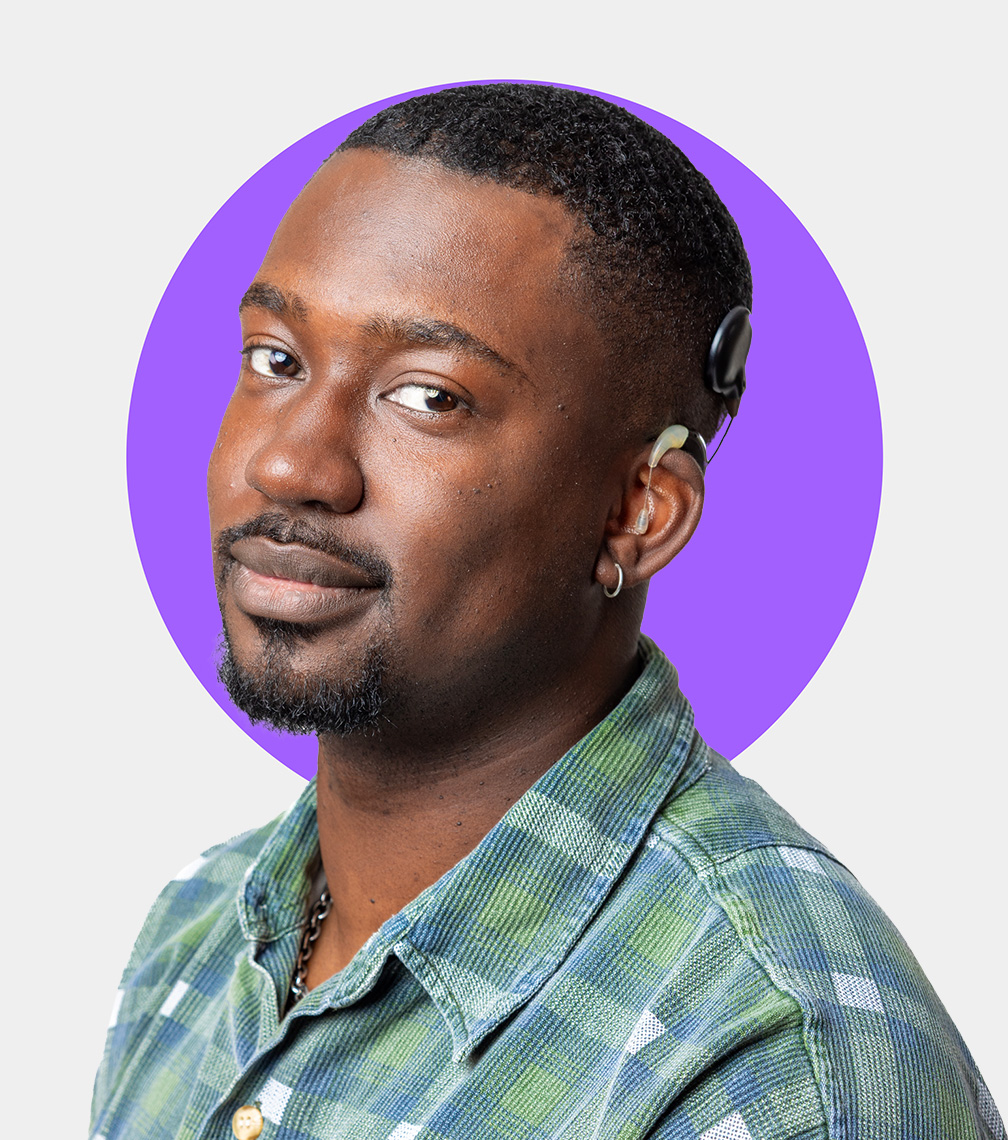
Josh Givans discovered he loved to build things at a young age.  

Growing up in Jamaica, he liked taking things apart to understand how they worked, then putting them back together.

Now, as a Western University engineering student, he’s using those long-honed skills to help save lives in developing countries.  

His focus has been building technology that can treat jaundice, a common condition in newborns in which the skin turns yellow. Jaundice is caused by a buildup of bilirubin, a yellow pigment produced when red blood cells break down. In newborns, the liver is often not yet mature enough to remove bilirubin efficiently, allowing it to accumulate.  

Jaundice is easily treated using light-based technology. But because the equipment is expensive, it’s not readily available in many low- and middle-income countries. And if left untreated, jaundice can lead to neurological damage, hearing loss and even death.  

This is where Josh's impact comes to life.

Josh

ʼs
Impact
Principles

  • Affordable, open-source solutions can accelerate global health equity.
  • Lasting impact comes from empowerment, not just donation.
  • Momentum takes shape through consistent, high-quality work.

Josh is a member of Western’s Free Appropriate Sustainability Technology (FAST) Research Group. Led by engineering and Ivey Business professor Joshua Pearce, the John M. Thompson Chair in Information Technology and Innovation, FAST brings together scientists and students to develop hardware that promotes sustainability and social change.

“We work on technologies related to 3D printing and design with a strong focus on open-source technologies. That means everything we create and publish is freely available to the public. By sharing our work openly, we make it easier for anyone to build and use these tools, helping to make hardware accessible in the same way software can be shared.”

When Josh joined the FAST group, the team already had a partnership with Kenyatta University in Nairobi, Kenya, where a light therapy box to treat jaundice had been developed at a lower cost than commercially available models.  

But more work was needed. Josh took on that challenge, designing the light source and a meter that would measure light intensity to ensure the dose administered to the baby is safe and effective. The technology is now in clinical trials.  

For Josh, the work is about sustainability as much as innovation.

“It’s not just donating equipment — that’s a short-term solution. It’s enabling these communities to empower themselves to care for their own people.”  

As for his next steps, he’s letting his creativity guide him.  

“I've decided to stop worrying about what I’ll do next. It's about following your intuition. Put in the work. Strive for excellence and trust the things that are for you will come in time. So far, I've been following that and it seems to be working out pretty well.”

Explore Stories

Adam

How to create opportunities for athletes with disabilities.

Play button icon

Josh

How to develop accessible, lifesaving technology.

Play button icon

Nicole

How to build confidence in students.

Play button icon

Abbas

How to make dentistry accessible to everyone.

Play button icon

Susana

How to improve housing for migrant farm workers.

Play button icon

Diane-Laure

How to finance nature and equality.

Play button icon

Mike

How to create hope for people with ALS and their families.

Play button icon

Angela

How to shift the story on aging.

Play button icon

Chantelle

How to keep Indigenous cultures alive.

Play button icon

Eric

How to advance innovation and equity in infectious disease research.

Play button icon

Rebekah

How forensic pathology can support Indigenous healing.

Play button icon

Marie

How to improve care for people living with dementia.

Play button icon

Daniel

How to build kids’ math skills.

Play button icon

Sydney

How rethinking prosthetics helps amputees walk with comfort.

Play button icon

Caroline

How to help athletes reach their full potential.

Play button icon

Thomas

How to explore identity when you experience disability.

Play button icon

Kaitlynn

How to help kids navigate social media safely.

Play button icon

Sheri

How to prepare for earthquakes with seismology mapping.

Play button icon

Marlene

How to support children who have early hearing loss.

Play button icon

Victoria

How to create welcoming communities for immigrants.

Play button icon

Chris

How migratory bird research is creating a better planet.

Play button icon

Elijah

How to improve access to rural health care.

Play button icon

Jackson

How volunteering builds communities.

Play button icon

Maya

How to build a community of entrepreneurs.

Play button icon

Sachindri

How collaboration with older adults drives change.

Play button icon

Hasitha

How AI can improve hearing assessments for kids.

Play button icon

Arun

How to shine a light on women-led households.

Play button icon

Alexandra

How to be a voice for people with ADHD.

Play button icon

Egide

How children in Rwanda advocate for better air quality.

Play button icon

Nicole

How inclusion can change the lives of disabled children.

Play button icon

Emma

How research is helping children with anxiety.

Play button icon

Trish

How research can empower educators to get kids moving.

Play button icon

adam

How to bring inclusivity into music education.

Play button icon

Brie

How drones are improving global access to health care.

Play button icon

Arad

How volunteering can help you find your purpose.

Play button icon

Ana Luisa

How technology can improve mobility.

Play button icon

Valerie

How to empower victims of gender-based violence.

Play button icon

Zola

How storytelling can help break down stigma.

Play button icon

Gordon

How space exploration drives innovation.

Play button icon

Alissa

How to protect your right to repair.

Play button icon

Tarun

How technology can strengthen health-care equity.

Play button icon

Abe

How to address homelessness through global dialogue.

Play button icon

Sheri

How to build community through art.

Play button icon

Luke

How to think critically about the role of AI in our lives.

Play button icon

Kalley

How to encourage Indigenous youth through sport.

Play button icon

Lauren

How to advance equity in the stem cell pool.

Play button icon

Demo

How adopting compassion can make a difference.

Play button icon

Tima

How a sustainable future relies on collective engagement.

Play button icon

Sonya

How to make health care truly inclusive.

Play button icon

Matthew

How literature can change the world.

Play button icon

Marianna

How women in tech need to be seen and heard.

Play button icon

Chloe

How vulnerability can normalize mental health disorders.

Play button icon

Greg

How collaboration and communication build safer communities.

Play button icon

Sunil

How data can support the fight for human rights.

Play button icon

Katreena

How to identify and address gender-based violence.

Play button icon

Ivy

How cultural identity lives through sport.

Play button icon

Raj

How hip-hop has cultural importance for Inuit communities.

Play button icon

Heading

Play button icon

Heading

Play button icon

Heading

Play button icon