How to create opportunities for athletes with disabilities.

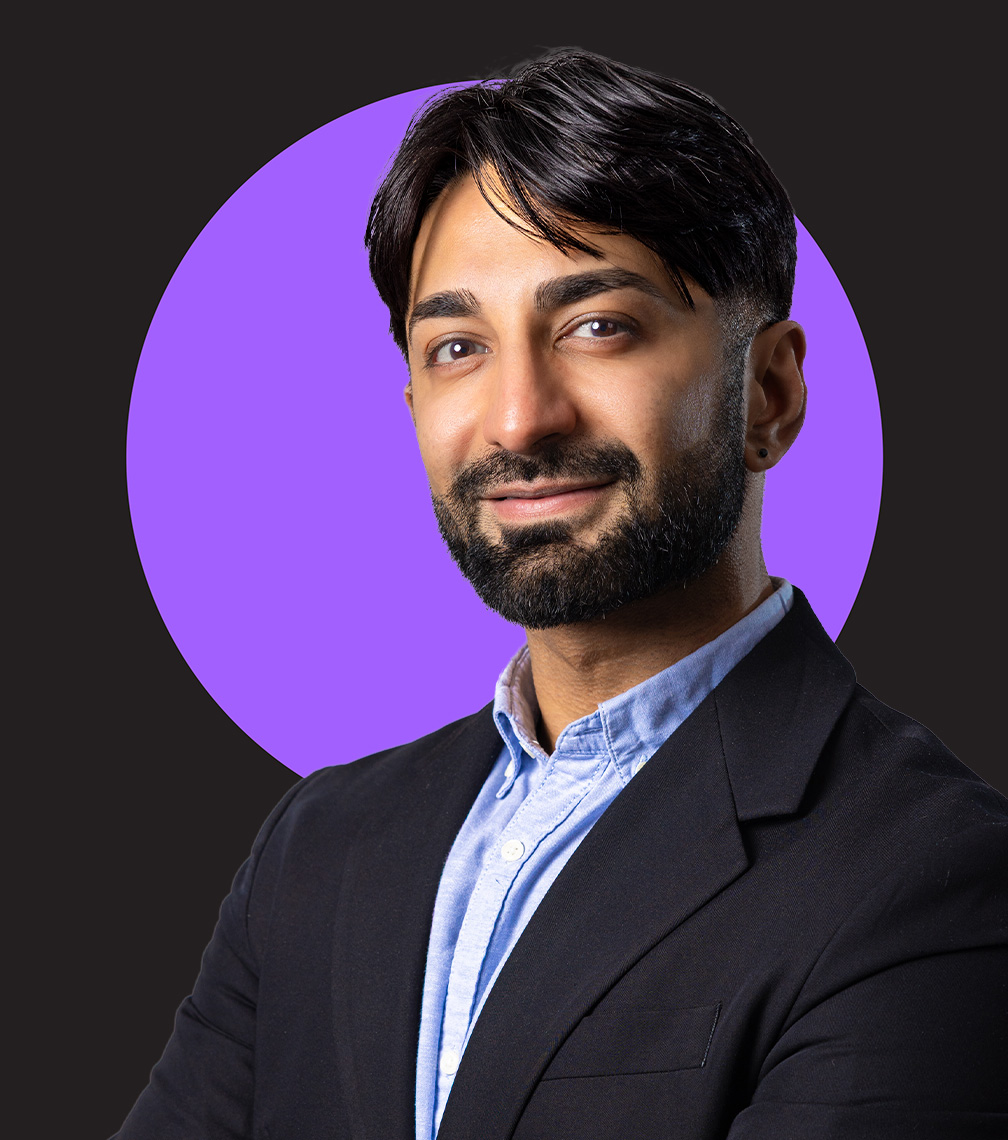
Adam Purdy

Paralympic Swimmer | PhD Candidate, Kinesiology, Western University
Large play button iconLarge replay icon

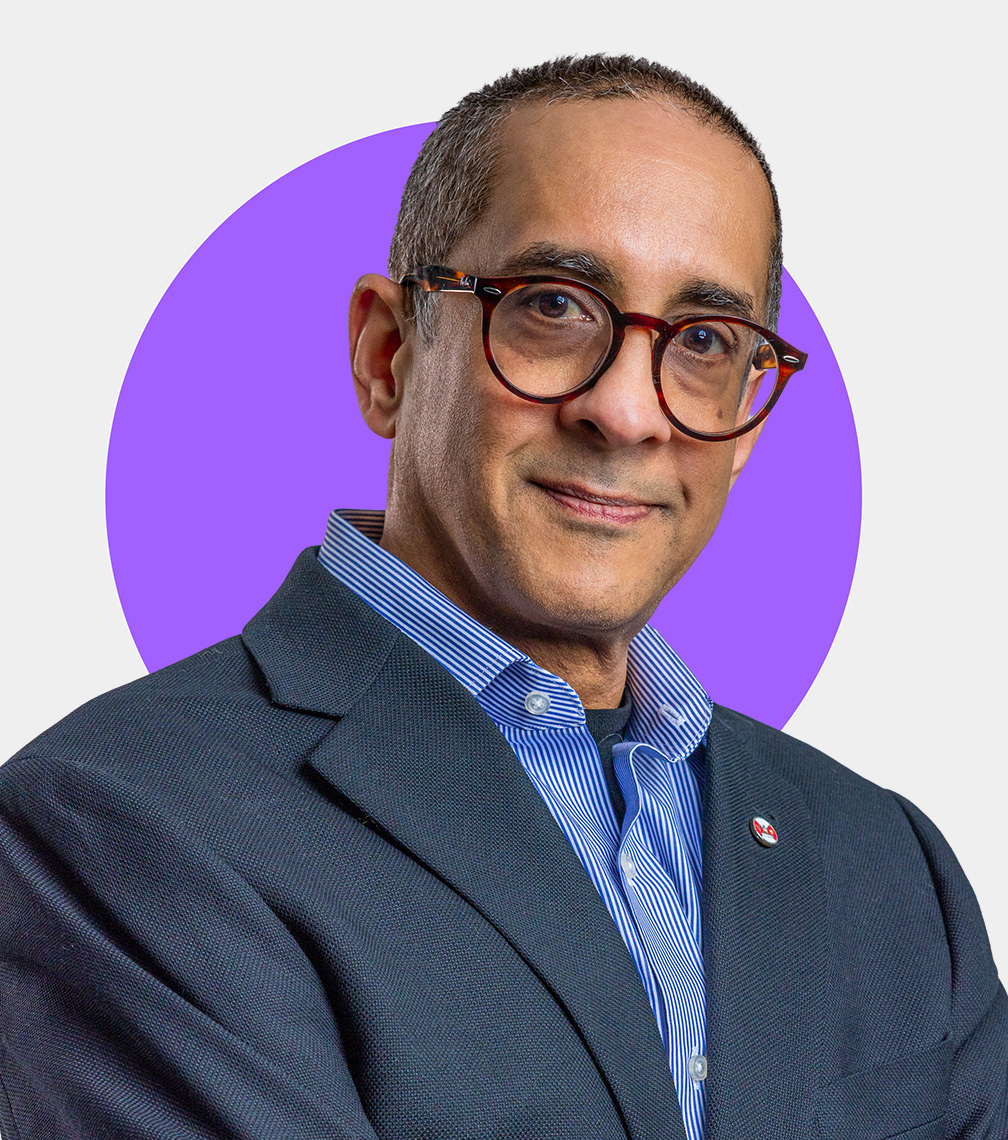
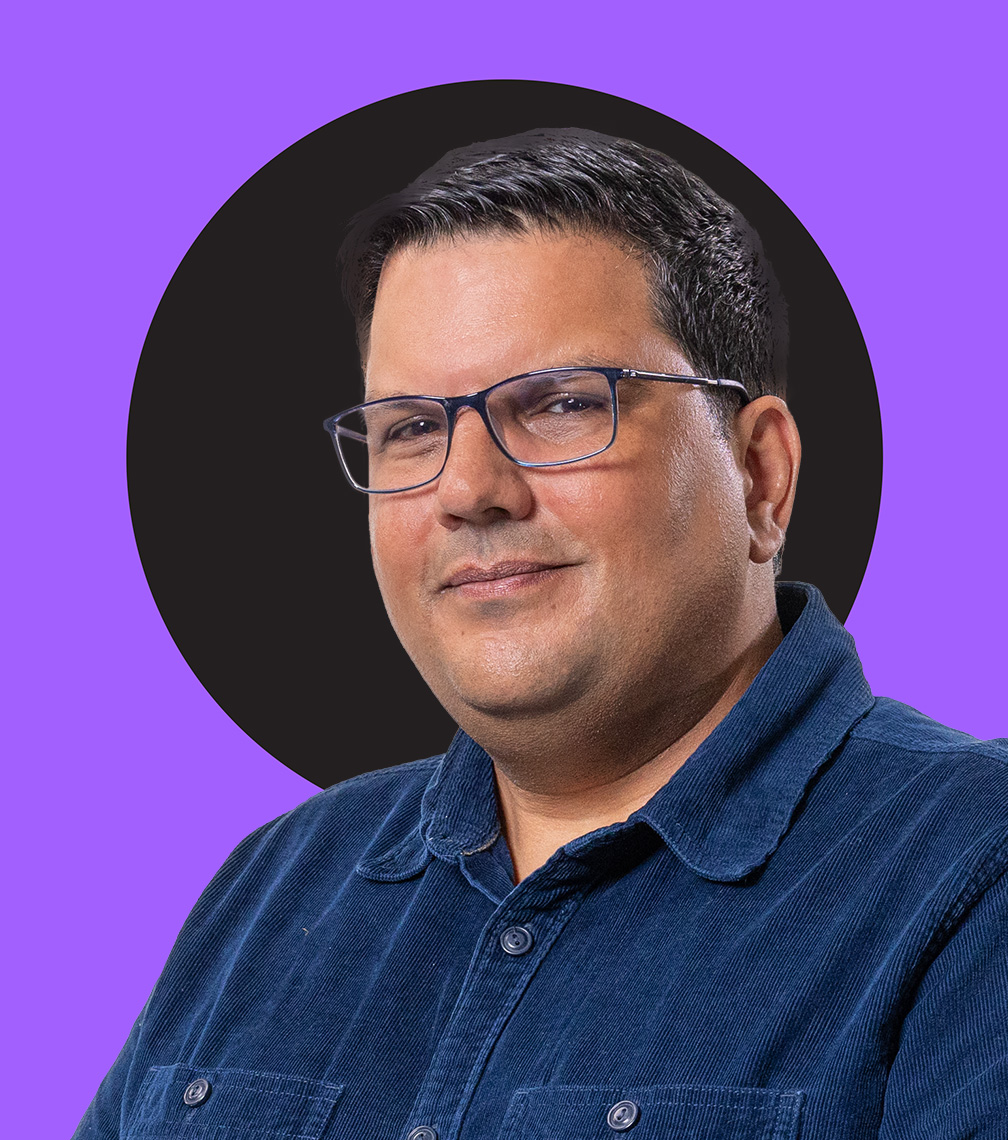
As an athlete, Adam Purdy built a good life through participation in sport.

Now, as a coach, advocate and researcher, he’s made it his mission to create those same opportunities for children and youth.

He has a particular focus on athletes with disabilities, a group Adam believes remains significantly underrepresented in sport.  

“I’ve worked with a lot of sport organizations across Canada in various capacities, and too often people with disabilities are not well represented. Representation is important. It creates a space for disabled athletes to have a voice.”

Adam can say that because he has lived with a disability all his life.  

Born with a condition called arthrogryposis, his ankles and wrists were fused, making them stiff and unbendable. He has no biceps. He has two severe club feet. He was in and out of hospitals, needing multiple surgeries.  

But his physical challenges didn’t restrict his future.  

When he was six, rehab specialists at the Thames Valley Children’s Centre in London, Ont., introduced him to swimming.  

“I can vividly remember feeling this connection with the water and feeling empowered by it. From that moment, I thought, ‘Let's stand, let's get upright, let's feel a little bit of freedom,’ instead of being restricted to mobility on land.”

Supported by a loving family and caring coaches, Adam went on to become a global swimming superstar. He won gold and silver medals at Paralympics competitions around the world before retiring from competition in 2016.  

Adam is proud of his achievements. But he’s also grateful he simply had the chance to participate in sport. And creating that opportunity, he believes, is the key to enabling any athlete with a disability to reach their potential.

Adam

ʼs
Impact
Principles

  • Representation shapes possibility.
  • Better systems are built with, not for, athletes with disabilities.
  • Challenge is what makes achievement meaningful.

He remembers an athletic event in Windsor, Ont., in the early 1990s that had a huge influence not only on his own athletic future, but also on what he felt could work for other athletes with disabilities.

“It gave people with physical disabilities the chance to compete, but it also allowed them to celebrate their embodiment in different ways with others like them. Events like that really do a lot for the Paralympic movement overall. They give athletes something to aim for. Without something to aim for, you're not going to have that next generation or grassroots development of athletes. They need to see something and aspire to something.”  

Adam’s doing his part now to make that happen.  

He’s a doctoral student at Western University, conducting research on sports leadership and management. He’s a coach with the London Aquatic Club, where he works with young athletes of all abilities.  

And he’s an advocate for athletes in the Para sport community through groups such as Accessible Sports London and Swim Ontario. Adam also works with the Canadian Paralympic Committee, where he focuses on sport performance — working with national sport organizations as they plan for and compete at major international games and events. He recently worked to help bring the Canadian Paralympic Team to the 2026 Milano Cortina Winter Paralympics and will do so again for the 2027 Para Pan Am Games in Lima, Peru, and the 2028 Summer Paralympics in Los Angeles.

When he works with athletes, he helps them develop the specific skills necessary for competition. But mostly, he encourages them to look squarely at their difficulties and find a path forward.

“It’s challenges that make life exciting. Disability is both an eye-opener and an eye-closer: I want to see it, but I don’t want to see it. I want to deal with it, but I don’t want to deal with it. It’s deeply emotional and full of ups and downs, yet it can also be enlightening. How you navigate all of that — and the outlook you choose — is what allows you to move forward.”

Explore Stories

Adam

How to create opportunities for athletes with disabilities.

Play button icon

Josh

How to develop accessible, lifesaving technology.

Play button icon

Nicole

How to build confidence in students.

Play button icon

Abbas

How to make dentistry accessible to everyone.

Play button icon

Susana

How to improve housing for migrant farm workers.

Play button icon

Diane-Laure

How to finance nature and equality.

Play button icon

Mike

How to create hope for people with ALS and their families.

Play button icon

Angela

How to shift the story on aging.

Play button icon

Chantelle

How to keep Indigenous cultures alive.

Play button icon

Eric

How to advance innovation and equity in infectious disease research.

Play button icon

Rebekah

How forensic pathology can support Indigenous healing.

Play button icon

Marie

How to improve care for people living with dementia.

Play button icon

Daniel

How to build kids’ math skills.

Play button icon

Sydney

How rethinking prosthetics helps amputees walk with comfort.

Play button icon

Caroline

How to help athletes reach their full potential.

Play button icon

Thomas

How to explore identity when you experience disability.

Play button icon

Kaitlynn

How to help kids navigate social media safely.

Play button icon

Sheri

How to prepare for earthquakes with seismology mapping.

Play button icon

Marlene

How to support children who have early hearing loss.

Play button icon

Victoria

How to create welcoming communities for immigrants.

Play button icon

Chris

How migratory bird research is creating a better planet.

Play button icon

Elijah

How to improve access to rural health care.

Play button icon

Jackson

How volunteering builds communities.

Play button icon

Maya

How to build a community of entrepreneurs.

Play button icon

Sachindri

How collaboration with older adults drives change.

Play button icon

Hasitha

How AI can improve hearing assessments for kids.

Play button icon

Arun

How to shine a light on women-led households.

Play button icon

Alexandra

How to be a voice for people with ADHD.

Play button icon

Egide

How children in Rwanda advocate for better air quality.

Play button icon

Nicole

How inclusion can change the lives of disabled children.

Play button icon

Emma

How research is helping children with anxiety.

Play button icon

Trish

How research can empower educators to get kids moving.

Play button icon

adam

How to bring inclusivity into music education.

Play button icon

Brie

How drones are improving global access to health care.

Play button icon

Arad

How volunteering can help you find your purpose.

Play button icon

Ana Luisa

How technology can improve mobility.

Play button icon

Valerie

How to empower victims of gender-based violence.

Play button icon

Zola

How storytelling can help break down stigma.

Play button icon

Gordon

How space exploration drives innovation.

Play button icon

Alissa

How to protect your right to repair.

Play button icon

Tarun

How technology can strengthen health-care equity.

Play button icon

Abe

How to address homelessness through global dialogue.

Play button icon

Sheri

How to build community through art.

Play button icon

Luke

How to think critically about the role of AI in our lives.

Play button icon

Kalley

How to encourage Indigenous youth through sport.

Play button icon

Lauren

How to advance equity in the stem cell pool.

Play button icon

Demo

How adopting compassion can make a difference.

Play button icon

Tima

How a sustainable future relies on collective engagement.

Play button icon

Sonya

How to make health care truly inclusive.

Play button icon

Matthew

How literature can change the world.

Play button icon

Marianna

How women in tech need to be seen and heard.

Play button icon

Chloe

How vulnerability can normalize mental health disorders.

Play button icon

Greg

How collaboration and communication build safer communities.

Play button icon

Sunil

How data can support the fight for human rights.

Play button icon

Katreena

How to identify and address gender-based violence.

Play button icon

Ivy

How cultural identity lives through sport.

Play button icon

Raj

How hip-hop has cultural importance for Inuit communities.

Play button icon

Heading

Play button icon

Heading

Play button icon

Heading

Play button icon