How medical innovation saves premature babies.

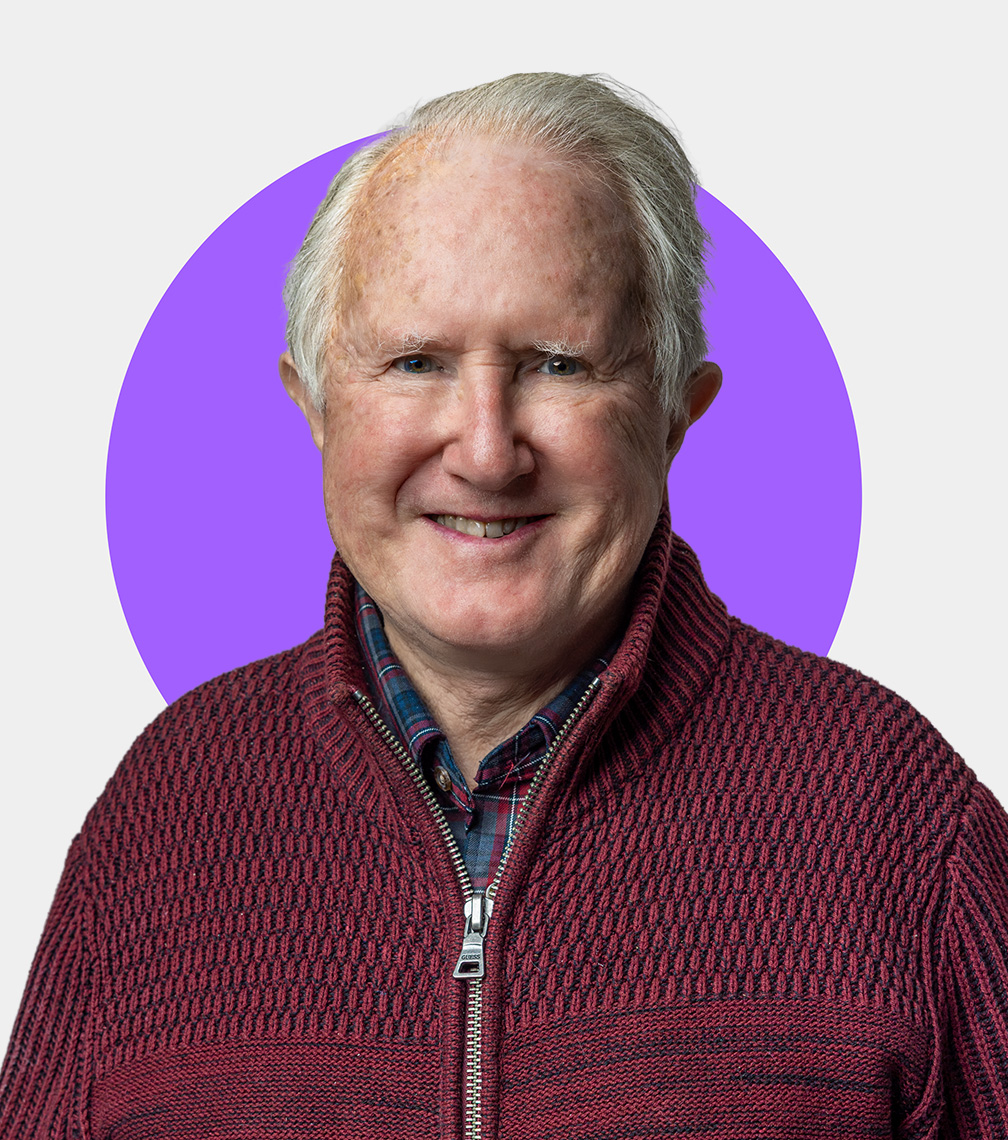
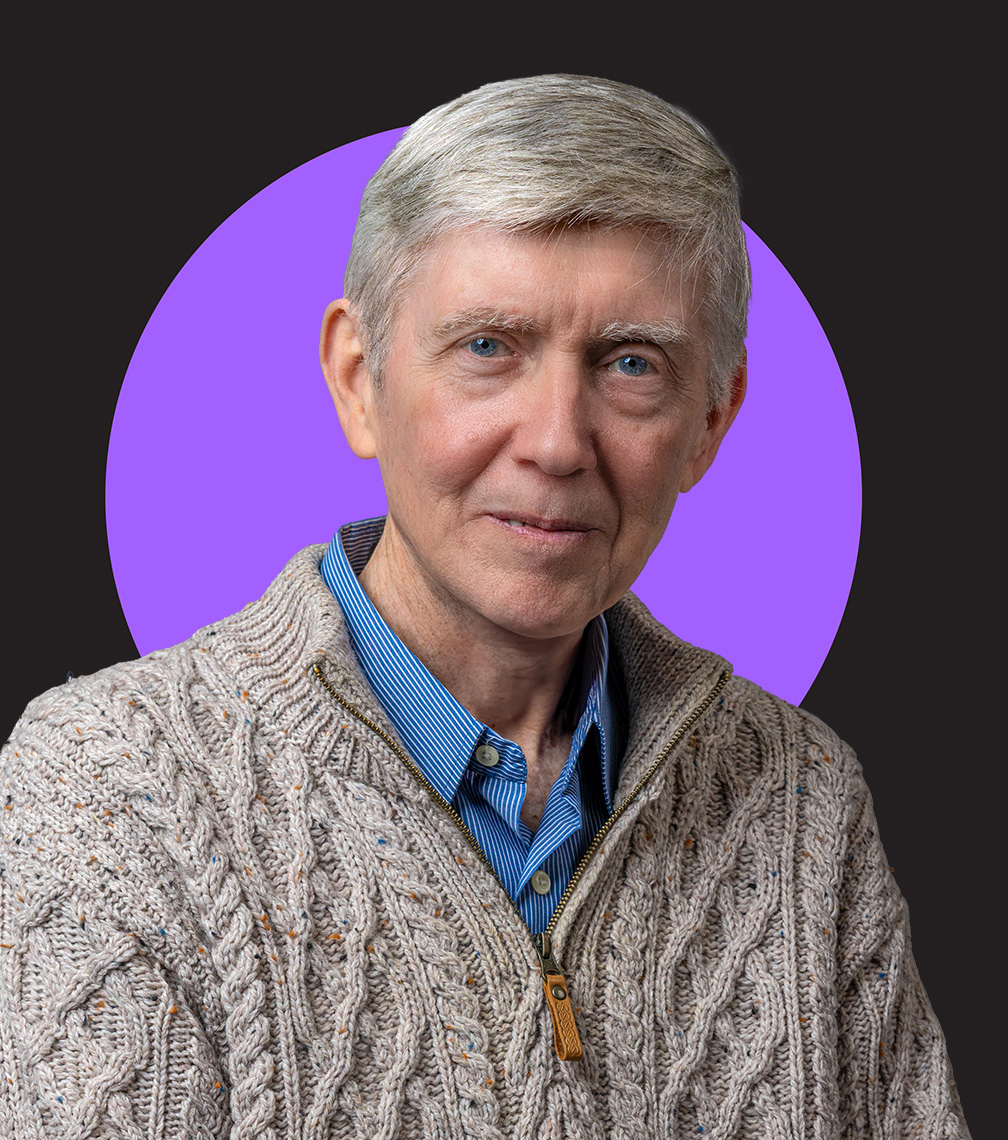
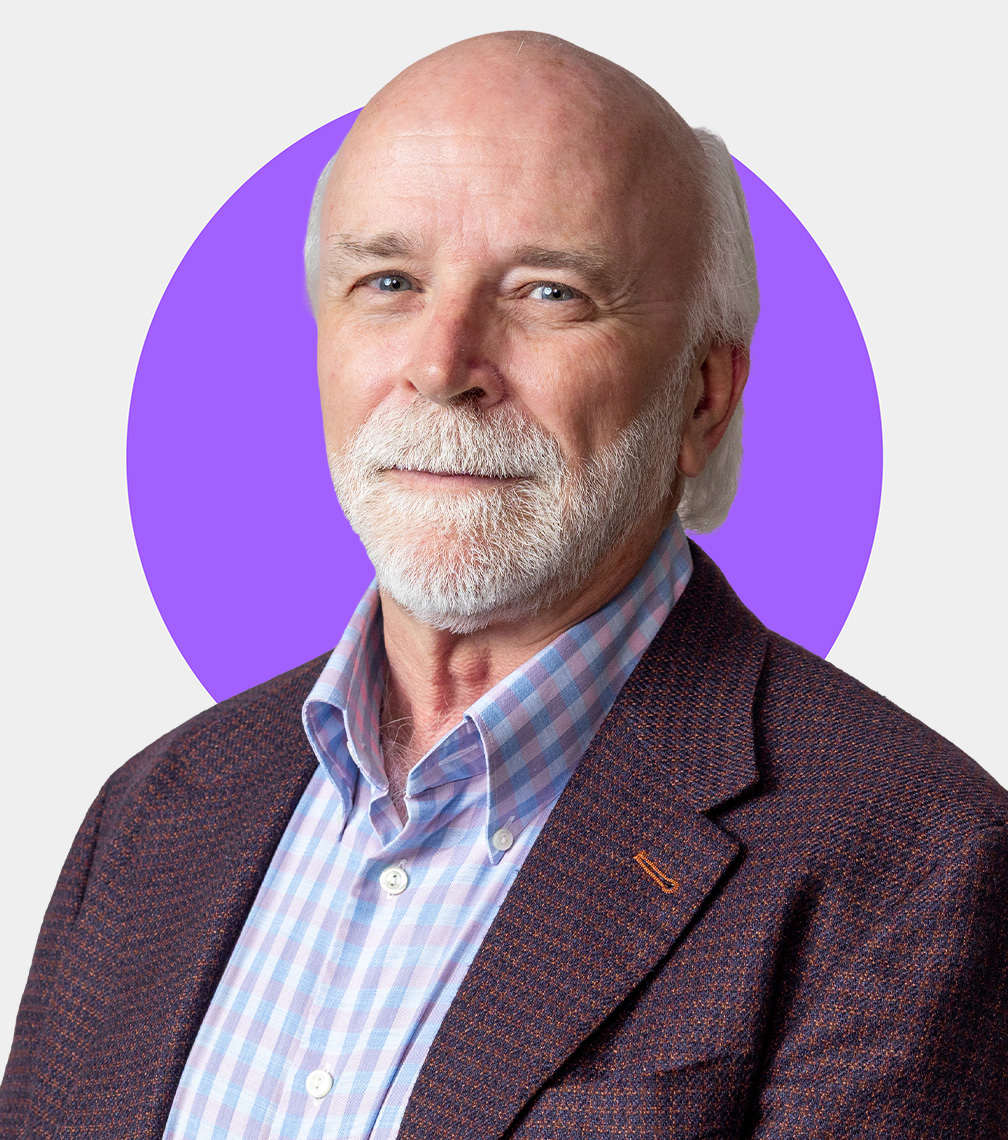
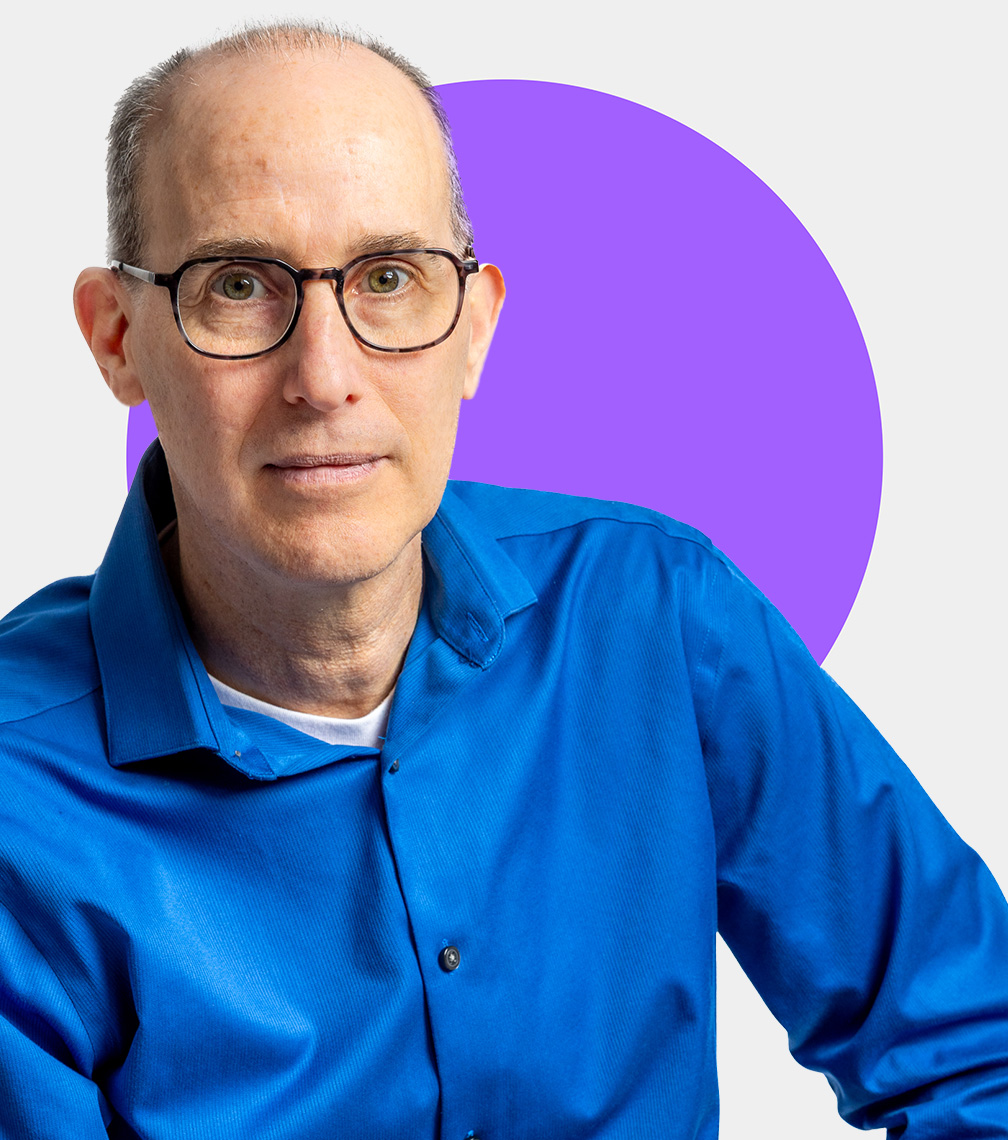
Fred Possmayer

Biochemist | Professor Emeritus, Schulich School of Medicine & Dentistry, Western University
Large play button iconLarge replay icon

Today, premature babies survive because of Dr. Fred Possmayer’s innovation.

That’s due to a treatment he co-invented in the 1980s called Bovine Lipid Extract Surfactant (BLES), which is used to treat respiratory distress syndrome (RDS) in preemies.  

“About one per cent of babies are born prematurely and about half of them develop RDS,” says Fred, professor emeritus of biochemistry at Western University’s Schulich School of Medicine & Dentistry. “When I began my research in 1971, over half of them died.”  

One of those babies was Patrick Kennedy, the youngest child of former U.S. President John F. Kennedy. He died in 1963 from RDS, just 39 hours after birth. His death brought worldwide attention to the condition.  

Some premature babies lack sufficient levels of a substance called pulmonary surfactant in the alveoli, tiny sacs in the lungs that enable us to breathe. The surfactant helps keep the alveoli flexible during inspiration and open during expiration. Without it, the lungs become stiff, making breathing hard. These babies have trouble breathing, resulting in RDS.  

American paediatrician Dr. Mary Ellen Avery was the first to discover the cause of RDS in 1957. Fred, who had been hired at Western to study the impact of insulin on the brain development of fetuses, became one of the many scientists around the world to investigate the surfactant challenge. A global problem had become a global research project.  

Fred eventually collaborated with Dr. Goran Enhorning of the University of Toronto to develop a process for extracting bovine surfactant to generate a preparation that could be given to premature babies. That became known as BLES.  

Soon after, Dr. Tetsuro Fujiwara, a neonatologist in Japan, partnered with a pharmaceutical company to create a surfactant similar to BLES. In 1980, Tetsuro published the results of a pilot trial, demonstrating the surfactant improved breathing in RDS infants.  

“That publication helped to open the door for us to get permission from Health Canada to conduct a clinical trial,” Fred says.

BLES proved effective, and the team published their findings in 1983. It was quickly adopted in Canadian hospitals.

Fred

ʼs
Impact
Principles

  • Breakthroughs begin with curiosity.
  • Progress is built by persistence, not certainty.
  • Global challenges are advanced through collective discovery.

It has proven to be a global lifesaver, dramatically reducing deaths from RDS. In fact, BLES has been recognized as one of Ontario’s top five medical breakthroughs by the Council of Ontario Universities and is now used in hospitals around the world. Fred’s research into RDS earned him the Order of Ontario in 2024 and many other honours.  

A humble man, Fred, now 87, shies away from taking credit for his work, preferring to praise others who were part of the journey to use surfactant extracts in infants. While he acknowledges scientific methodology is more complex today from the time he was a busy scientist, he says there are still enduring truths to scientific research.  

“You have to really diagnose the problem as well as you can. And I mean the whole problem. But then you investigate each part of the problem, as well as you can at the time, and just keep examining the details.”

And what if you get frustrated as you trudge through the research?

“You have to have a strong desire to understand, to obtain data to show your ideas are correct. Or better yet, that they are wrong, because that generates new directions and real progress.”

Explore Stories

Ravi

How technology and teamwork power medical breakthroughs.

Play button icon

Kato

How to keep life-saving medical equipment working.

Play button icon

Kirsty

How to make galleries and museums more sustainable.

Play button icon

Fred

How medical innovation saves premature babies.

Play button icon

Vasharna

How to discuss disability with kids.

Play button icon

Paul

How to level the playing field in business education.

Play button icon

Adam

How to create opportunities for athletes with disabilities.

Play button icon

Josh

How to develop accessible, lifesaving technology.

Play button icon

Nicole

How to build confidence in students.

Play button icon

Abbas

How to make dentistry accessible to everyone.

Play button icon

Susana

How to improve housing for migrant farm workers.

Play button icon

Diane-Laure

How to finance nature and equality.

Play button icon

Mike

How to create hope for people with ALS and their families.

Play button icon

Angela

How to shift the story on aging.

Play button icon

Chantelle

How to keep Indigenous cultures alive.

Play button icon

Eric

How to advance innovation and equity in infectious disease research.

Play button icon

Rebekah

How forensic pathology can support Indigenous healing.

Play button icon

Marie

How to improve care for people living with dementia.

Play button icon

Daniel

How to build kids’ math skills.

Play button icon

Sydney

How rethinking prosthetics helps amputees walk with comfort.

Play button icon

Caroline

How to help athletes reach their full potential.

Play button icon

Thomas

How to explore identity when you experience disability.

Play button icon

Kaitlynn

How to help kids navigate social media safely.

Play button icon

Sheri

How to prepare for earthquakes with seismology mapping.

Play button icon

Marlene

How to support children who have early hearing loss.

Play button icon

Victoria

How to create welcoming communities for immigrants.

Play button icon

Chris

How migratory bird research is creating a better planet.

Play button icon

Elijah

How to improve access to rural health care.

Play button icon

Jackson

How volunteering builds communities.

Play button icon

Maya

How to build a community of entrepreneurs.

Play button icon

Sachindri

How collaboration with older adults drives change.

Play button icon

Hasitha

How AI can improve hearing assessments for kids.

Play button icon

Arun

How to shine a light on women-led households.

Play button icon

Alexandra

How to be a voice for people with ADHD.

Play button icon

Egide

How children in Rwanda advocate for better air quality.

Play button icon

Nicole

How inclusion can change the lives of disabled children.

Play button icon

Emma

How research is helping children with anxiety.

Play button icon

Trish

How research can empower educators to get kids moving.

Play button icon

adam

How to bring inclusivity into music education.

Play button icon

Brie

How drones are improving global access to health care.

Play button icon

Arad

How volunteering can help you find your purpose.

Play button icon

Ana Luisa

How technology can improve mobility.

Play button icon

Valerie

How to empower victims of gender-based violence.

Play button icon

Zola

How storytelling can help break down stigma.

Play button icon

Gordon

How space exploration drives innovation.

Play button icon

Alissa

How to protect your right to repair.

Play button icon

Tarun

How technology can strengthen health-care equity.

Play button icon

Abe

How to address homelessness through global dialogue.

Play button icon

Sheri

How to build community through art.

Play button icon

Luke

How to think critically about the role of AI in our lives.

Play button icon

Kalley

How to encourage Indigenous youth through sport.

Play button icon

Lauren

How to advance equity in the stem cell pool.

Play button icon

Demo

How adopting compassion can make a difference.

Play button icon

Tima

How a sustainable future relies on collective engagement.

Play button icon

Sonya

How to make health care truly inclusive.

Play button icon

Matthew

How literature can change the world.

Play button icon

Marianna

How women in tech need to be seen and heard.

Play button icon

Chloe

How vulnerability can normalize mental health disorders.

Play button icon

Greg

How collaboration and communication build safer communities.

Play button icon

Sunil

How data can support the fight for human rights.

Play button icon

Katreena

How to identify and address gender-based violence.

Play button icon

Ivy

How cultural identity lives through sport.

Play button icon

Raj

How hip-hop has cultural importance for Inuit communities.

Play button icon

Heading

Play button icon

Heading

Play button icon

Heading

Play button icon