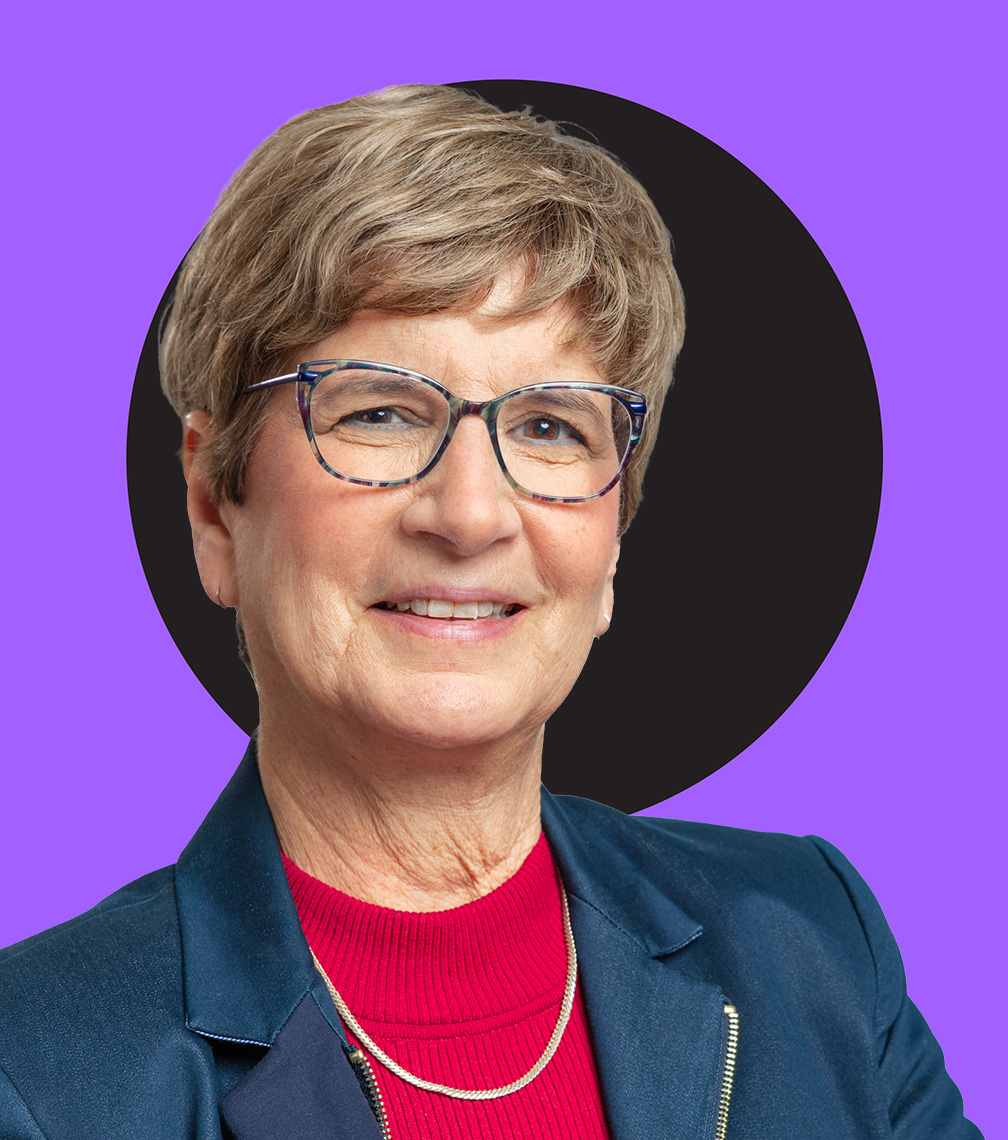
How storybooks help families manage children’s anxiety.

Colin King

Director, Mary J. Wright Child and Youth Development Clinic | Associate Professor, Education, Western University
Large play button iconLarge replay icon

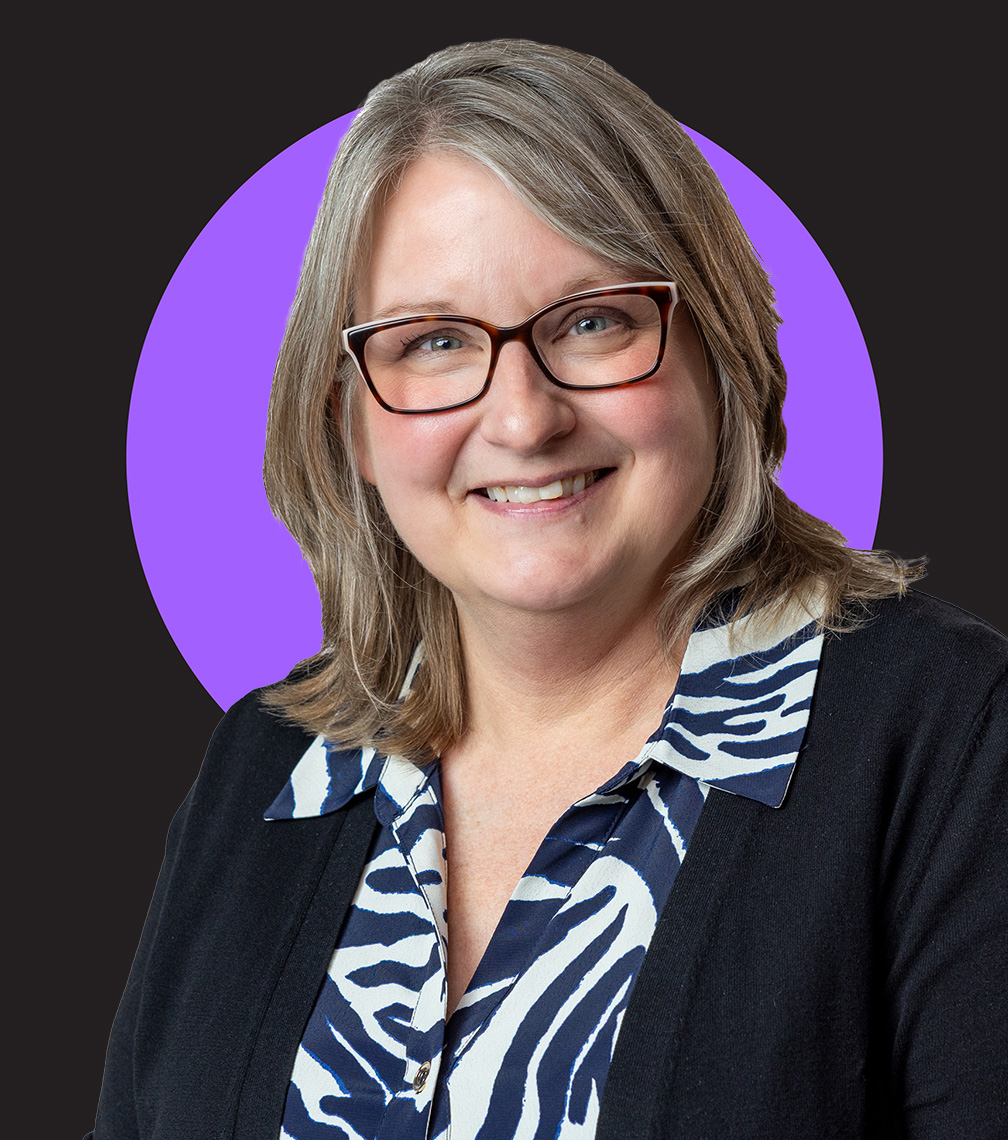
As a psychologist who has worked in schools and private practice, Colin King knows the toll anxiety can take on children.

“Anxiety and stress can hold kids back,” says Colin, associate professor in the Faculty of Education at Western University. “It can be debilitating. It can prevent you from living your life.”

But he also knows anxiety can be managed with early intervention. During the COVID-19 pandemic, Colin and his team launched the Anxiety Storybook Project. Together they reviewed hundreds of children’s storybooks to identify those that spoke to various types of anxiety, such as grieving the death of a loved one or separation anxiety.  

“We’re bringing together clinical evidence and storybooks that parents and caregivers can use at home to start conversations and respond differently to problematic levels of anxiety,” says Colin, who is also the director of Western’s Mary J. Wright Child and Youth Development Clinic.

There are about 200 books on their curated list, which is part of a larger resource guide, Supporting Knowledge & Skills in Managing Anxiety Using Storybooks. The guide is available for free online and the books can be found in most schools and public libraries.  

The collection covers a wide variety of anxiety-inducing situations, such as Wilma Jean the Worry Machine, which depicts experiences of generalized anxiety and how worry can manifest itself in children when they focus on the ‘what ifs.’ Another is First Day Critter Jitters, which explores separation anxiety and dealing with new situations like the first day of school.

Colin

ʼs
Impact
Principles

  • Small interventions at the right time can prevent larger struggles later.
  • The right language builds understanding.
  • Stories help children see themselves and their challenges more clearly.

Colin says the books and related materials are meant as a first step in helping children and parents understand anxiety and begin talking about it.  

“Our work has been motivated by the question, ‘What if we could deliver and share the evidence-based information we’ve gathered in our therapy rooms and get it into conversations happening at home?’”

And those conversations, informed by storytelling, help families ease into an understanding of what the child is experiencing.  

“There are a number of barriers that get in the way of families understanding their child’s anxiety. This is new to them and hard to figure out. For example, some parents think if their kids would just pull up their socks and try a little bit harder maybe things could be different. However, we know that without intervention, anxiety can become more problematic later on for many children.”

The Anxiety Storybook Project is helping to address these misunderstandings and build mental health literacy.  

“It provides a language and context for what children are experiencing.”

So far the resources have more than 2,000 downloads in addition to the hundreds of physical copies that have been distributed to families at the clinic and through partnering organizations.

“We've had several school boards express interest in sharing this resource with families in their schools.”

Colin believes the materials can give children and parents hope.  

“We can empower kids and families with the tools to move forward. Kids learn ‘hey, I'm much stronger than I initially believed. I’m more capable and resourceful than what anxiety's been telling me.’ Kids hold on to those early lessons. It can change their life’s trajectory.”

Explore Stories

Colin

How storybooks help families manage children’s anxiety.

Play button icon

Ravi

How technology and teamwork power medical breakthroughs.

Play button icon

Kato

How to keep life-saving medical equipment working.

Play button icon

Kirsty

How to make galleries and museums more sustainable.

Play button icon

Fred

How medical innovation helps save premature babies.

Play button icon

Vasharna

How to discuss disability with kids.

Play button icon

Paul

How to level the playing field in business education.

Play button icon

Patricia

How to mitigate microplastic pollution.

Play button icon

Adam

How to create opportunities for athletes with disabilities.

Play button icon

Josh

How to develop accessible, lifesaving technology.

Play button icon

Nicole

How to build confidence in students.

Play button icon

Abbas

How to make dentistry accessible to everyone.

Play button icon

Susana

How to improve housing for migrant farm workers.

Play button icon

Diane-Laure

How to finance nature and equality.

Play button icon

Mike

How to create hope for people with ALS and their families.

Play button icon

Angela

How to shift the story on aging.

Play button icon

Chantelle

How to keep Indigenous cultures alive.

Play button icon

Eric

How to advance innovation and equity in infectious disease research.

Play button icon

Rebekah

How forensic pathology can support Indigenous healing.

Play button icon

Marie

How to improve care for people living with dementia.

Play button icon

Daniel

How to build kids’ math skills.

Play button icon

Sydney

How rethinking prosthetics helps amputees walk with comfort.

Play button icon

Caroline

How to help athletes reach their full potential.

Play button icon

Thomas

How to explore identity when you experience disability.

Play button icon

Kaitlynn

How to help kids navigate social media safely.

Play button icon

Sheri

How to prepare for earthquakes with seismology mapping.

Play button icon

Marlene

How to support children who have early hearing loss.

Play button icon

Victoria

How to create welcoming communities for immigrants.

Play button icon

Chris

How migratory bird research is creating a better planet.

Play button icon

Elijah

How to improve access to rural health care.

Play button icon

Jackson

How volunteering builds communities.

Play button icon

Maya

How to build a community of entrepreneurs.

Play button icon

Sachindri

How collaboration with older adults drives change.

Play button icon

Hasitha

How AI can improve hearing assessments for kids.

Play button icon

Arun

How to shine a light on women-led households.

Play button icon

Alexandra

How to be a voice for people with ADHD.

Play button icon

Egide

How children in Rwanda advocate for better air quality.

Play button icon

Nicole

How inclusion can change the lives of disabled children.

Play button icon

Emma

How research is helping children with anxiety.

Play button icon

Trish

How research can empower educators to get kids moving.

Play button icon

adam

How to bring inclusivity into music education.

Play button icon

Brie

How drones are improving global access to health care.

Play button icon

Arad

How volunteering can help you find your purpose.

Play button icon

Ana Luisa

How technology can improve mobility.

Play button icon

Valerie

How to empower victims of gender-based violence.

Play button icon

Zola

How storytelling can help break down stigma.

Play button icon

Gordon

How space exploration drives innovation.

Play button icon

Alissa

How to protect your right to repair.

Play button icon

Tarun

How technology can strengthen health-care equity.

Play button icon

Abe

How to address homelessness through global dialogue.

Play button icon

Sheri

How to build community through art.

Play button icon

Luke

How to think critically about the role of AI in our lives.

Play button icon

Kalley

How to encourage Indigenous youth through sport.

Play button icon

Lauren

How to advance equity in the stem cell pool.

Play button icon

Demo

How adopting compassion can make a difference.

Play button icon

Tima

How a sustainable future relies on collective engagement.

Play button icon

Sonya

How to make health care truly inclusive.

Play button icon

Matthew

How literature can change the world.

Play button icon

Marianna

How women in tech need to be seen and heard.

Play button icon

Chloe

How vulnerability can normalize mental health disorders.

Play button icon

Greg

How collaboration and communication build safer communities.

Play button icon

Sunil

How data can support the fight for human rights.

Play button icon

Katreena

How to identify and address gender-based violence.

Play button icon

Ivy

How cultural identity lives through sport.

Play button icon

Raj

How hip-hop has cultural importance for Inuit communities.

Play button icon

Heading

Play button icon

Heading

Play button icon

Heading

Play button icon