How to mitigate microplastic pollution.

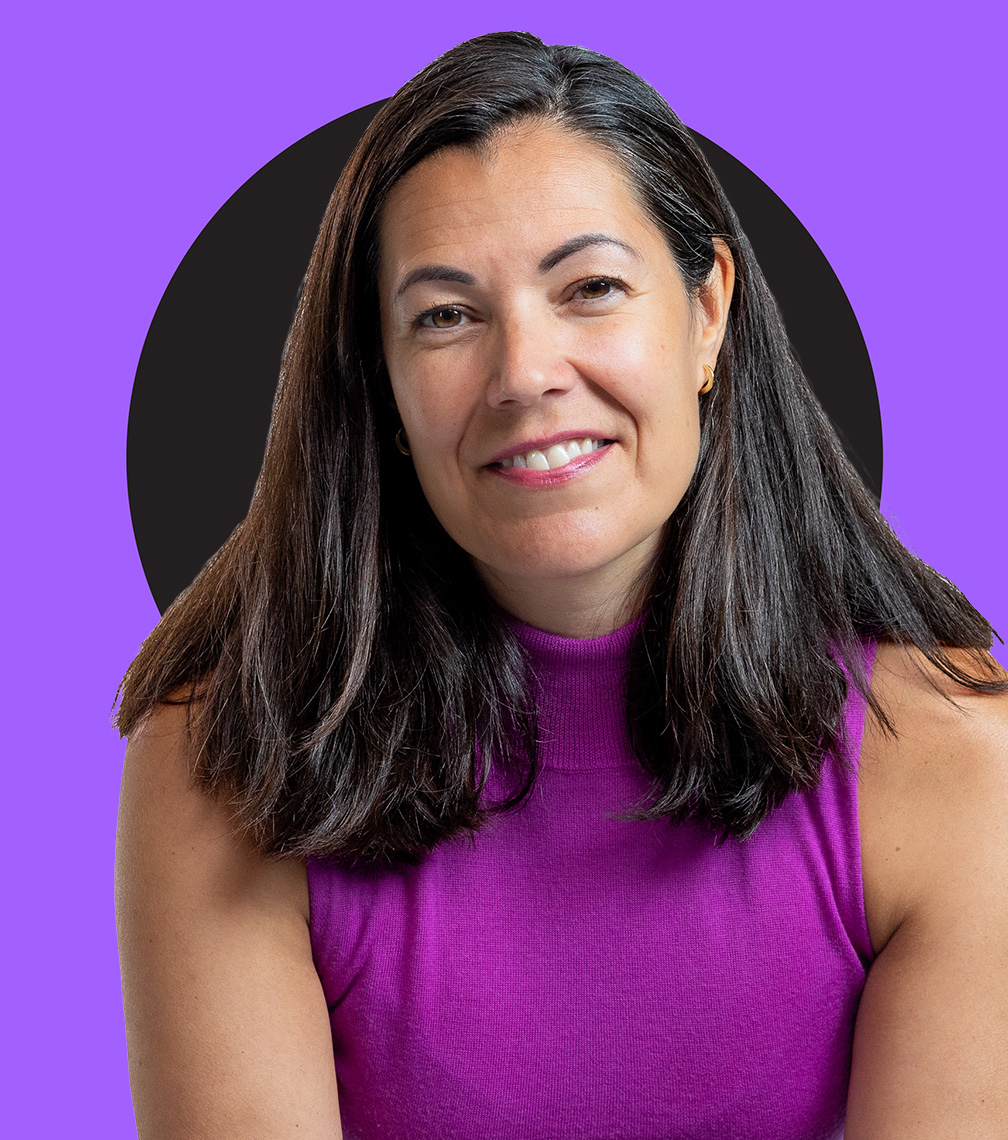
Patricia Corcoran

Geologist | Professor, Earth Sciences, Western University
Large play button iconLarge replay icon

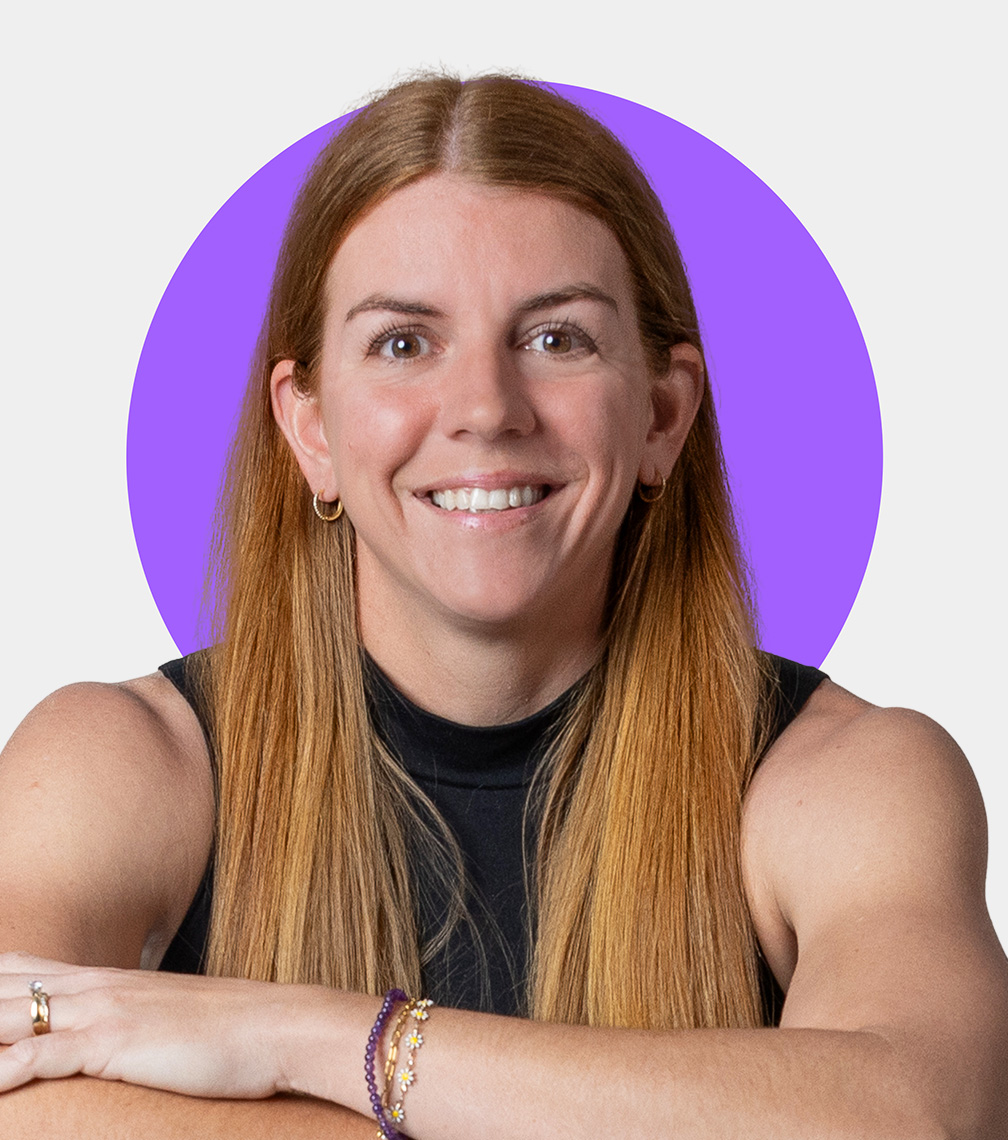
Patricia Corcoran has joined a global fight to curb plastic pollution.

A geologist and Western University Earth sciences professor, Patricia became interested in plastic pollution when she made a shocking discovery in 2012.

She and visual artist Kelly Jazvac were on Kamilo Beach on the island of Hawaii and discovered a bizarre phenomenon: stone formed through the intermingling of melted plastic, beach sediment, lava rock and coral fragments, and organic debris. With oceanographer Charles Moore, they coined the term “plastiglomerate,” capturing the world’s attention in a landmark 2014 study.  

That work led Patricia to focus on microplastics – pellets less than five millimetres in size – and how they are showing up in natural environments. Using sedimentary geology techniques, Patricia's pioneering research traced when microplastics initially appeared in the Great Lakes, and she was the first to publish on their plastic pollution levels. She later mapped the rise and fall of microplastic pollution compared to major economic downturns.

“Microplastics are bad because unlike larger discarded plastic items, they’re affecting thousands of organisms on the food chain, from plankton to animals as large as whales.”

Not only can they become lodged in the gastrointestinal tracts of animals, studies show if a very small animal ingests microplastic and is then eaten by a larger animal, that plastic can move up the food chain.

“If those plastics carry toxic chemical substances, the chemicals can become more concentrated and dangerous to species throughout the food chain – including humans.”

There is evidence the toxic pollutants in the microplastics are impacting the reproductive rates of some species and could result in other long-term health effects.

In 2018, Patricia and her team studied 66 beaches along the Great Lakes. In the sand, they discovered a shocking abundance of two to five millimetre pellets, which are the building blocks of everyday plastic products. Their research shows these pellets were particularly prevalent on Baxter Beach (near Sarnia, Ont.), Rossport Beach, (on the north shore of Lake Superior) and Bronte Beach (on the western shore of Lake Ontario near Oakville, Ont.).  

When they returned six years later, nothing had changed.  

“We found two of the three beaches that were the most contaminated with pellets in 2018, were still the most contaminated in 2024.”

Patricia

ʼs
Impact
Principles

  • Scientific evidence is the foundation of effective environmental policies.
  • Progress on complex problems depends on collaboration.
  • Small, everyday choices can drive meaningful environmental change.

Patricia’s research has also helped identify major but lesser-known sources of microplastics, including tire wear, industrial plastic pellets and particles from paints and coatings. Understanding where the pollution originates, she says, is essential for developing effective solutions.

“If you want to make policy, then you need to have the facts to back it up. And you can't make up facts. You actually have to do the scientific research to find those facts.”

Patricia and her team took their evidence to academic conferences, government workshops, advocacy groups and the public, and partnered with an environmental group to drive change. Patricia helped develop the Canada-wide Strategy on Zero Plastic Waste, an action plan to mitigate plastic pollution.

“Plastic pellet manufacturers can put screens in their drains to easily capture pellets. That was one of the things we proposed. It’s that simple.”

Today, Patricia also collaborates with Chippewas of the Thames First Nation and communities in the Northwest Territories to study how microplastics and associated chemicals move through local environments and food systems.

Patricia is quick to point out that collaboration is essential in making a positive impact.  

“None of this is done alone. Our work involves chemists, biologists, artists, humanities scholars, social scientists and local communities.”

And in the larger effort to stop plastic pollution, citizens have a huge role to play.  

“It's everyone’s responsibility. Don't buy certain products if you don't want them to keep being produced. If you buy single-use plastics and then just toss them, you're contributing to the waste problem. If you're selling plastic straws, you're contributing to the problem. Every day, we have the ability to choose a replacement to make a positive impact.”

Explore Stories

Colin

How storybooks help families manage children’s anxiety.

Play button icon

Ravi

How technology and teamwork power medical breakthroughs.

Play button icon

Kato

How to keep life-saving medical equipment working.

Play button icon

Kirsty

How to make galleries and museums more sustainable.

Play button icon

Fred

How medical innovation helps save premature babies.

Play button icon

Vasharna

How to discuss disability with kids.

Play button icon

Paul

How to level the playing field in business education.

Play button icon

Patricia

How to mitigate microplastic pollution.

Play button icon

Adam

How to create opportunities for athletes with disabilities.

Play button icon

Josh

How to develop accessible, lifesaving technology.

Play button icon

Nicole

How to build confidence in students.

Play button icon

Abbas

How to make dentistry accessible to everyone.

Play button icon

Susana

How to improve housing for migrant farm workers.

Play button icon

Diane-Laure

How to finance nature and equality.

Play button icon

Mike

How to create hope for people with ALS and their families.

Play button icon

Angela

How to shift the story on aging.

Play button icon

Chantelle

How to keep Indigenous cultures alive.

Play button icon

Eric

How to advance innovation and equity in infectious disease research.

Play button icon

Rebekah

How forensic pathology can support Indigenous healing.

Play button icon

Marie

How to improve care for people living with dementia.

Play button icon

Daniel

How to build kids’ math skills.

Play button icon

Sydney

How rethinking prosthetics helps amputees walk with comfort.

Play button icon

Caroline

How to help athletes reach their full potential.

Play button icon

Thomas

How to explore identity when you experience disability.

Play button icon

Kaitlynn

How to help kids navigate social media safely.

Play button icon

Sheri

How to prepare for earthquakes with seismology mapping.

Play button icon

Marlene

How to support children who have early hearing loss.

Play button icon

Victoria

How to create welcoming communities for immigrants.

Play button icon

Chris

How migratory bird research is creating a better planet.

Play button icon

Elijah

How to improve access to rural health care.

Play button icon

Jackson

How volunteering builds communities.

Play button icon

Maya

How to build a community of entrepreneurs.

Play button icon

Sachindri

How collaboration with older adults drives change.

Play button icon

Hasitha

How AI can improve hearing assessments for kids.

Play button icon

Arun

How to shine a light on women-led households.

Play button icon

Alexandra

How to be a voice for people with ADHD.

Play button icon

Egide

How children in Rwanda advocate for better air quality.

Play button icon

Nicole

How inclusion can change the lives of disabled children.

Play button icon

Emma

How research is helping children with anxiety.

Play button icon

Trish

How research can empower educators to get kids moving.

Play button icon

adam

How to bring inclusivity into music education.

Play button icon

Brie

How drones are improving global access to health care.

Play button icon

Arad

How volunteering can help you find your purpose.

Play button icon

Ana Luisa

How technology can improve mobility.

Play button icon

Valerie

How to empower victims of gender-based violence.

Play button icon

Zola

How storytelling can help break down stigma.

Play button icon

Gordon

How space exploration drives innovation.

Play button icon

Alissa

How to protect your right to repair.

Play button icon

Tarun

How technology can strengthen health-care equity.

Play button icon

Abe

How to address homelessness through global dialogue.

Play button icon

Sheri

How to build community through art.

Play button icon

Luke

How to think critically about the role of AI in our lives.

Play button icon

Kalley

How to encourage Indigenous youth through sport.

Play button icon

Lauren

How to advance equity in the stem cell pool.

Play button icon

Demo

How adopting compassion can make a difference.

Play button icon

Tima

How a sustainable future relies on collective engagement.

Play button icon

Sonya

How to make health care truly inclusive.

Play button icon

Matthew

How literature can change the world.

Play button icon

Marianna

How women in tech need to be seen and heard.

Play button icon

Chloe

How vulnerability can normalize mental health disorders.

Play button icon

Greg

How collaboration and communication build safer communities.

Play button icon

Sunil

How data can support the fight for human rights.

Play button icon

Katreena

How to identify and address gender-based violence.

Play button icon

Ivy

How cultural identity lives through sport.

Play button icon

Raj

How hip-hop has cultural importance for Inuit communities.

Play button icon

Heading

Play button icon

Heading

Play button icon

Heading

Play button icon