
How performance fuels creativity.


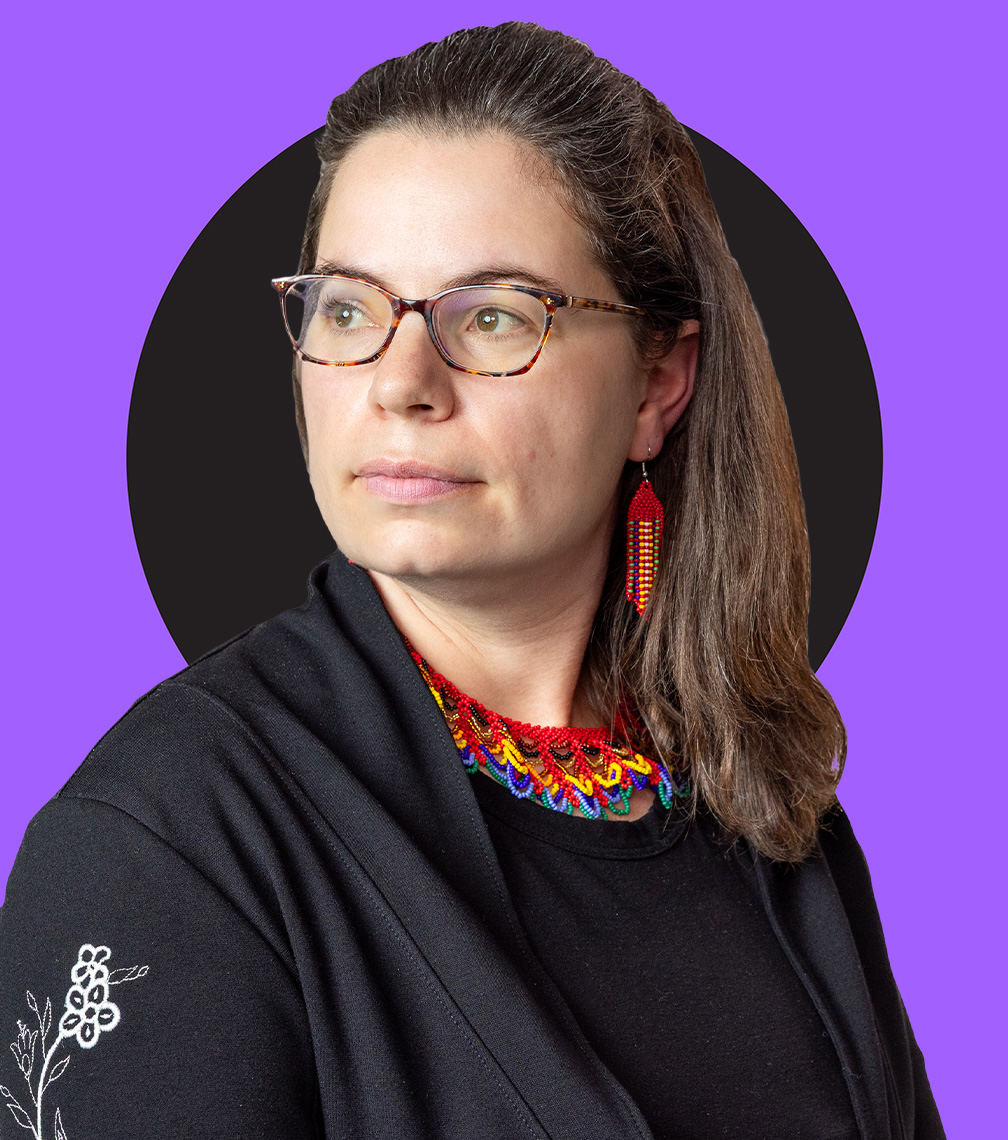
Years of teaching and research have convinced Kim, a professor and director of the theatre studies program at Western University, that creativity belongs in every discipline, not just the arts.
She believes the world's biggest challenges can only be solved by bringing together people with different kinds of expertise, using creativity to bridge differences, build empathy and spark new ways of thinking.
That philosophy now shapes Kim's work with students and educators around the world.
She has taken her approach to integrating performance and, as she calls it, "playfulness," beyond Western, guest lecturing at universities across Canada and the UK about how creativity can enrich learning in every field.
“At its best, school is a place to practice the art of becoming bigger, of imagining something larger than we are right now. It can be easy to lose that spirit, but also very easy to reignite it. So, when I teach abroad, I love reminding students they don't need my permission to bring that spirit of playfulness and creativity into their learning.”
At Western, those ideas come to life in Knowledge Creation Through Performance.
The course began as a pilot project after a survey explored what creativity meant to members of the Western community. The responses revealed, as Kim puts it, “how hungry people on campus were for more opportunities to be creative.”
With help from graduate students Amala Poli and Masha Kouznetsova, Kim brought together students from seven faculties and invited guest speakers from across disciplines at Western and the broader community to demonstrate how performance can become a tool for thinking and learning, regardless of discipline.
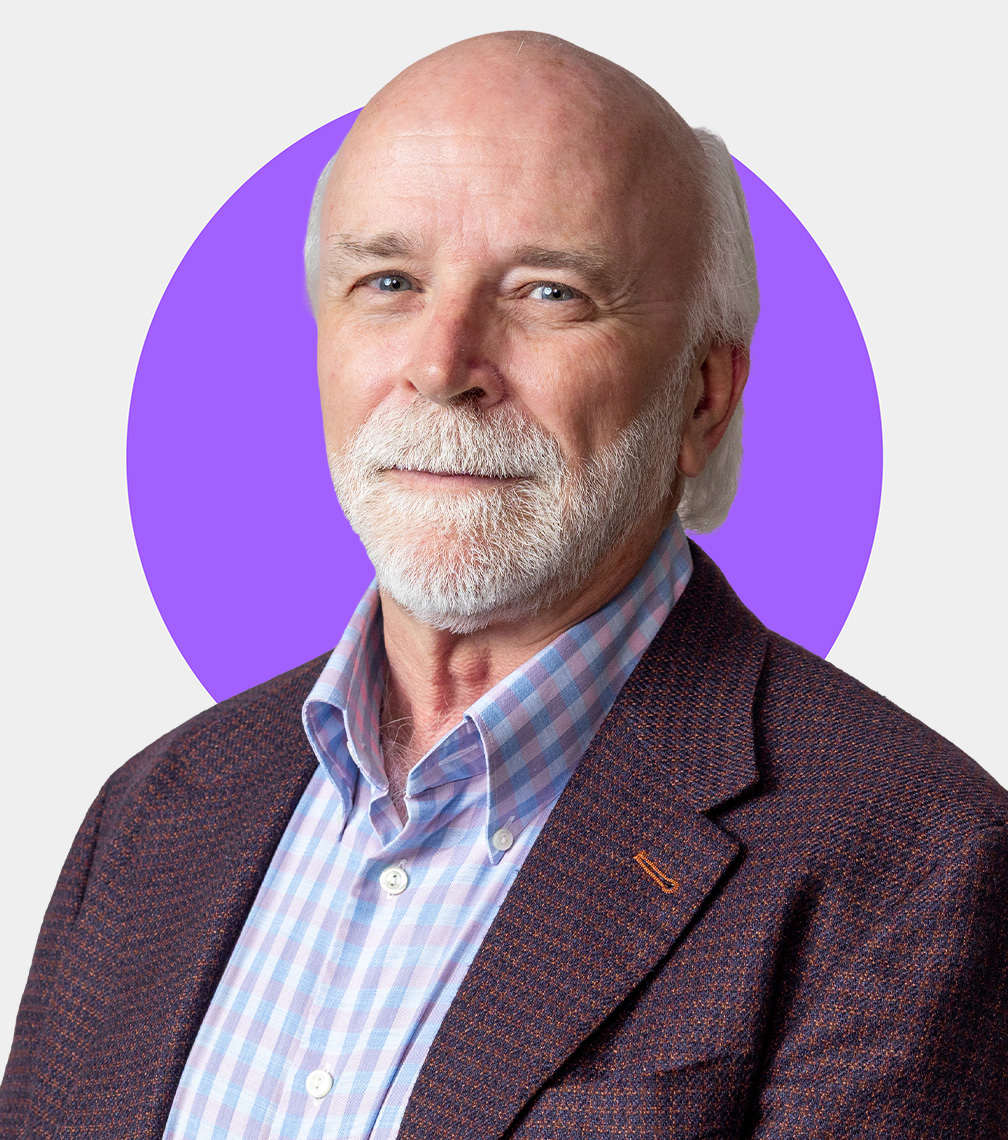
One guest speaker, biology professor Paul Mensink, introduced students to virtual reality as a research tool. Inspired by the technology, students created a project that used VR headsets to help medical students experience what it might feel like to live in an encampment with people experiencing homelessness.
The students found the experience increased empathy, helping participants better understand perspectives different from their own. For Kim, the project demonstrated how performance can foster both innovation and a deeper understanding of others.
“They made incredible projects like this and they invested so hard in working together across their different disciplines, learning to navigate the struggle of teamwork,” says Kim.
The pilot proved so successful that the course will run again through the School for Advanced Studies in the Arts & Humanities. Kim hopes to continue expanding it across campus and beyond, giving more students the opportunity to experience the power of performance in their own learning.


.jpg)




.jpg)

.jpg)
.jpg)
.jpg)
.jpg)

.jpg)




.jpg)




.jpg)

.jpg)




.jpg)
.jpg)






.jpg)

.jpg)

.jpg)


