
How to build science literacy.


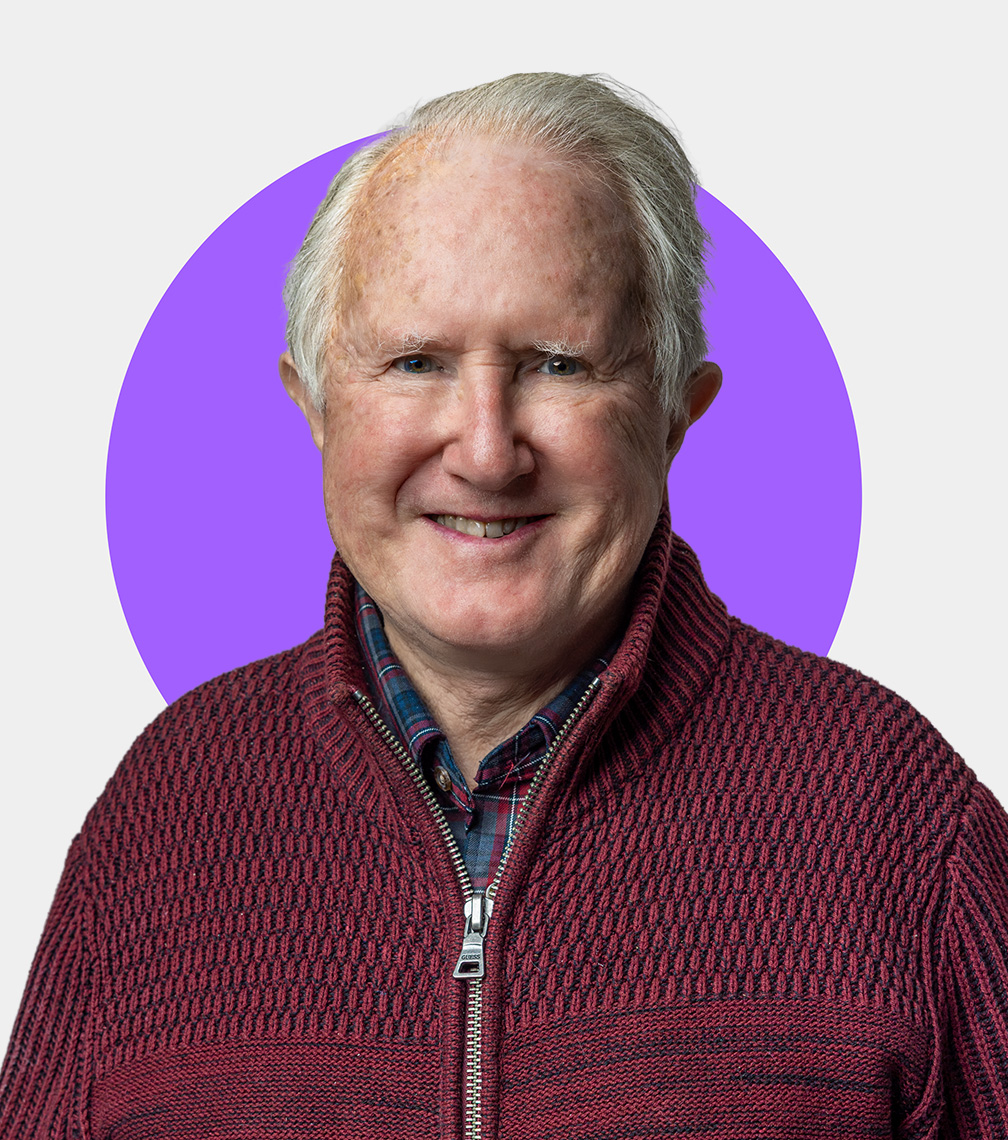
Patrick knows from 55 years of experience that science fairs can help counter anti-science sentiment and equip young people with skills that carry into any career.
A professor emeritus of physics and astronomy, Patrick has been a leader in science fairs in London, Ont., and across Canada since joining Western University from his native England in 1971.
“Science literacy is crucial, particularly in today's environment where too many people aren’t believing science, and that has real consequences for quality of life. We need science.”
Over these five decades, Patrick has coached thousands of students in the Thames Valley Science and Engineering Fair program and, at the national level, he was judge-in-chief for three years at the Canada-Wide Science Fair and ran the selection process for Team Canada. From those experiences, he knows that young people’s involvement in hands-on fairs is making an important impact.
Yes, he’s had some prodigies come through the fairs. Like the student who was a math whiz, went on to earn a PhD at MIT and is now working in AI for a global tech company. Or another who, in grade 7, came up with a device to quickly triage people injured at an accident site. The device measured blood pressure, pulse and other essential readings.
But Patrick says the point of science fairs isn’t to produce superstars. Instead, he and his colleagues want students of all abilities who are interested in science to get involved.
“So at least once in their life, they get to do a little experiment. And you hope one day that insight will serve them well as a voting citizen, to know there is a proper way to think about how Mother Nature works and to know there are people who spend their lifetimes studying scientific questions that shape our lives.”
Patrick has high praise for teachers who encourage students to give science a try.
“A very gifted teacher here in London gave up every lunch hour to her students for science fair projects. It was loud, messy and disorganized. But the kids learned a lot. They learned real science. They learned experiments don't always work. They learned it’s okay to fail often because it's in failing and figuring out what went wrong and trying something else that real learning takes place. And you also learn you can work through it and succeed at the other end.”
In fact, Patrick says that beyond building practical skills, taking part in science is ultimately about sparking curiosity and a lasting interest in learning.
Lighting that spark he believes, benefits us all.
“If you want to live in a civilized society, you need good housing, reliable transportation, systems that work on time. You need to be able to buy food when you need it and have trust in how things function. Science is a component of that because if you let science erode, the whole underlying fabric of society collapses. Science drives everything we do. That’s why we need to keep inspiring the next generation of students to carry this world forward.”
And he sees firsthand how the science fair experience makes a real impact on students.


.jpg)





.jpg)


.jpg)
.jpg)
.jpg)
.jpg)

.jpg)





.jpg)




.jpg)

.jpg)




.jpg)
.jpg)






.jpg)

.jpg)

.jpg)


