How to prepare for meteor strikes.

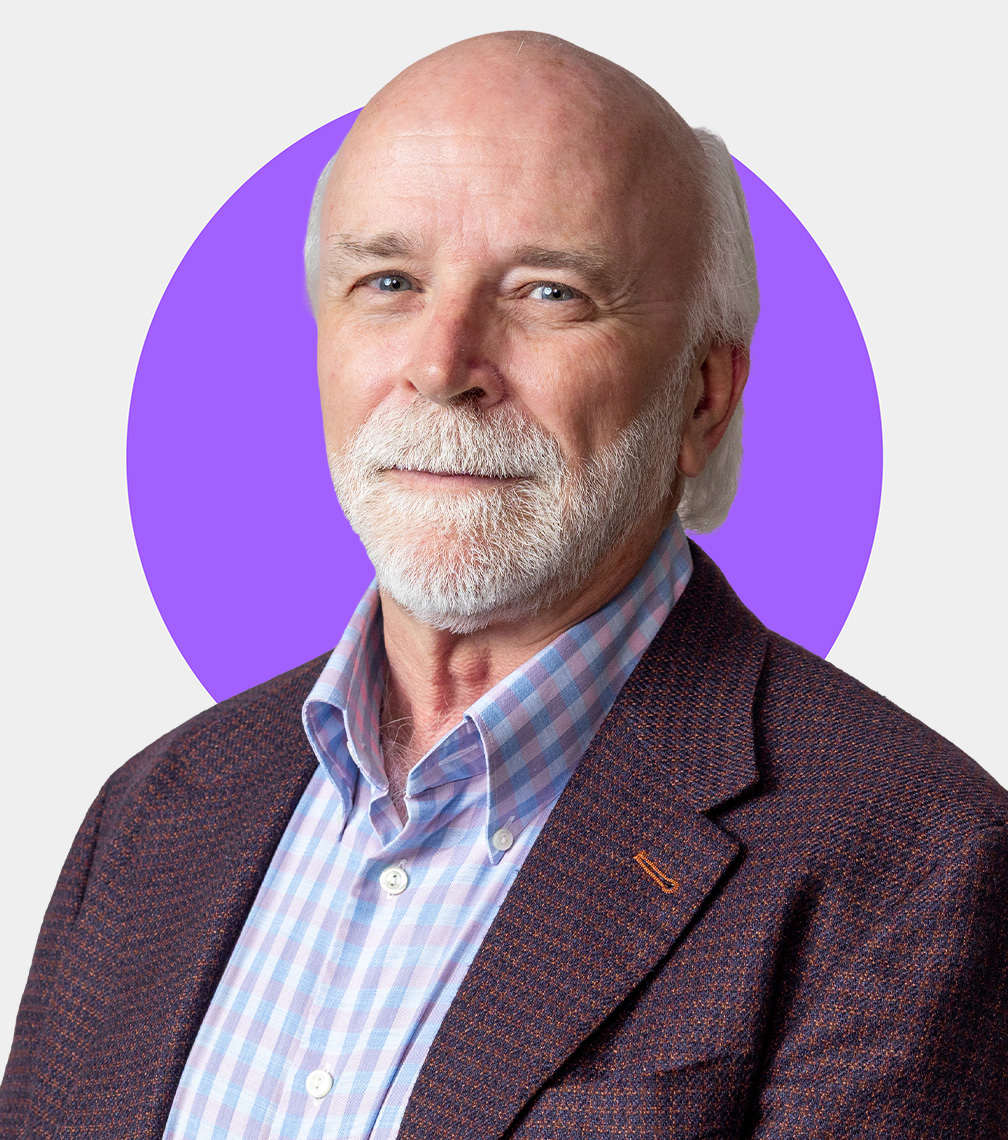
Peter Brown

Astronomer | Professor, Physics and Astronomy, Western University
Large play button iconLarge replay icon

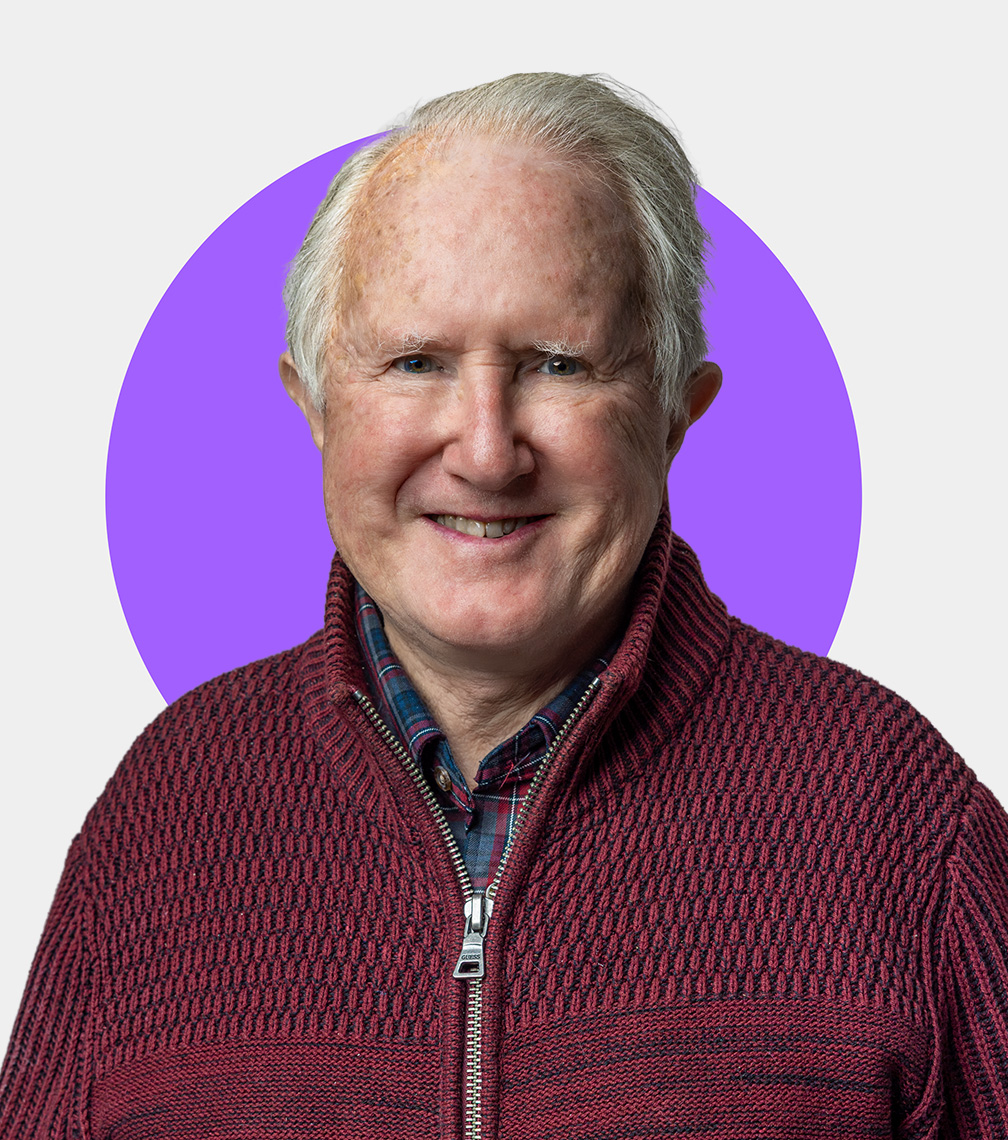
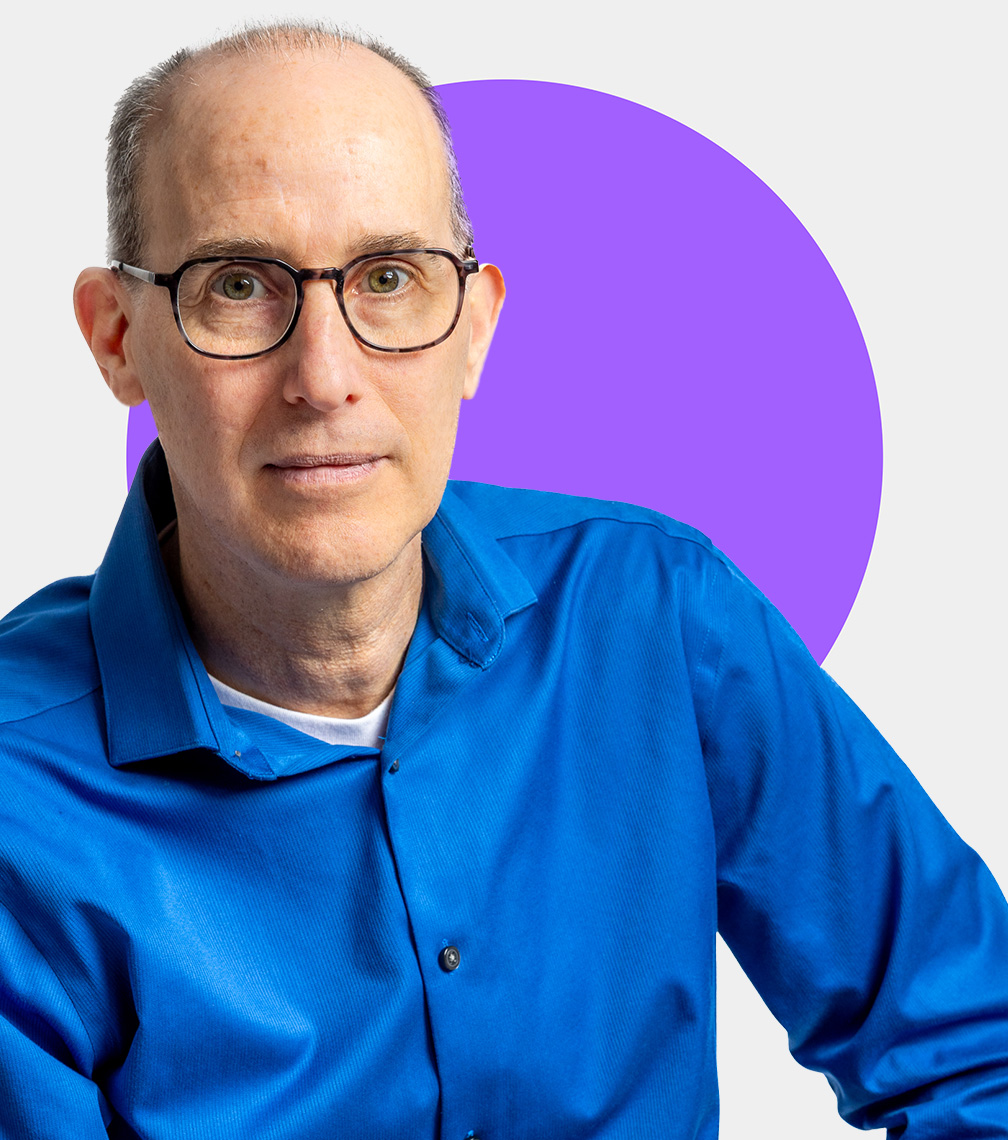
Peter Brown studies space rocks to help us understand what happens when they collide with Earth.

He has his eyes on the billions of rocks that hurtle around the infinite sky above us.  

Peter, a professor of physics and astronomy and Canada Research Chair in Meteor Astronomy, is especially interested in what happens when those rocks burst through Earth’s atmosphere. His team at Western University plays a key role in a global effort to analyze their dynamics and impacts and to share that information with space agencies such as NASA.  

“We take measurements that feed into models developed by NASA and the European Space Agency. We also help build those models.”

The story of a meteor strike begins long before a rock reaches Earth. Between Mars and Jupiter there’s a mass of asteroids, objects of various sizes that hurtle around the Asteroid Belt. Occasionally, these asteroids collide, breaking into meteorites. Some of those meteors drive through the Earth’s atmosphere. We see them as shooting stars. Most explode in the sky. Some, however, break up and the pieces crash to the ground.  

Perhaps the best known is the massive asteroid that made it through the atmosphere unbroken, striking what is now the Yucatán Peninsula in Mexico and obliterating most dinosaur species 66 million years ago.  

More recently, a meteor exploded over the city of Chelybrinsk, Russia on February 15, 2013. The blast produced a sonic boom that shattered thousands of windows and damaged buildings.  

To Peter, it’s events like this, and the many smaller meteors that reach the ground, that provide valuable opportunities for him and his team to use sophisticated cameras and microphones to analyze what has happened.  

“A lot of my work focuses on shockwaves that come from these events. I'm very interested in how they are formed and evolve and how the energy from the shockwaves impacts Earth.”

Agencies like NASA use Peter’s analysis to develop models for disaster planning.

Peter

ʼs
Impact
Principles

  • Understanding risk is the first step in being ready for it.
  • Discovery is a collective effort that spans generations.
  • The most powerful research connects curiosity with purpose.

“Depending on whether a rock lands in the ocean, a fairly populated area or a desert, our data can help determine what kind of emergency plan is needed. These events don’t happen often, but it's still important to be prepared. The dinosaurs didn’t have an emergency plan.”  

Peter’s fascination with space began when he was a child.  

“I became interested in meteorites at a very young age. They help tell us how the solar system formed. Now that I am a scientist, how cool is to be able to hold a piece of space in your hand, do the analysis and understand where it comes from?”

Much of Peter’s research involves students and seeing their enthusiasm is one of the highlights of his work.  

“There are a lot of students who are really very passionate about space. It's great to be able to get them involved in projects and see their excitement about discoveries they're able to make. I find that motivating.”

And he’s grateful for the opportunity to contribute to global safety.

“There's a fundamental part of the research we do which is driven by curiosity. But that curiosity takes on a whole new level of meaning when the work can influence government policy and the information we use every day to protect society. The fact our research contributes to the models and planning used in planetary defence gives that curiosity a real-world purpose.”

Explore Stories

Peter

How to prepare for meteor strikes.

Play button icon

Patrick

How to build science literacy.

Play button icon

Kim

How performance fuels creativity.

Play button icon

Katsuichiro

How to prepare for natural disasters.

Play button icon

Colin

How storybooks help families manage children’s anxiety.

Play button icon

Ravi

How technology and teamwork power medical breakthroughs.

Play button icon

Kato

How to keep life-saving medical equipment working.

Play button icon

Kirsty

How to make galleries and museums more sustainable.

Play button icon

Fred

How medical innovation helps save premature babies.

Play button icon

Vasharna

How to discuss disability with kids.

Play button icon

Paul

How to level the playing field in business education.

Play button icon

Patricia

How to mitigate microplastic pollution.

Play button icon

Adam

How to create opportunities for athletes with disabilities.

Play button icon

Josh

How to develop accessible, lifesaving technology.

Play button icon

Nicole

How to build confidence in students.

Play button icon

Abbas

How to make dentistry accessible to everyone.

Play button icon

Susana

How to improve housing for migrant farm workers.

Play button icon

Diane-Laure

How to finance nature and equality.

Play button icon

Mike

How to create hope for people with ALS and their families.

Play button icon

Angela

How to shift the story on aging.

Play button icon

Chantelle

How to keep Indigenous cultures alive.

Play button icon

Eric

How to advance innovation and equity in infectious disease research.

Play button icon

Rebekah

How forensic pathology can support Indigenous healing.

Play button icon

Marie

How to improve care for people living with dementia.

Play button icon

Daniel

How to build kids’ math skills.

Play button icon

Sydney

How rethinking prosthetics helps amputees walk with comfort.

Play button icon

Caroline

How to help athletes reach their full potential.

Play button icon

Thomas

How to explore identity when you experience disability.

Play button icon

Kaitlynn

How to help kids navigate social media safely.

Play button icon

Sheri

How to prepare for earthquakes with seismology mapping.

Play button icon

Marlene

How to support children who have early hearing loss.

Play button icon

Victoria

How to create welcoming communities for immigrants.

Play button icon

Chris

How migratory bird research is creating a better planet.

Play button icon

Elijah

How to improve access to rural health care.

Play button icon

Jackson

How volunteering builds communities.

Play button icon

Maya

How to build a community of entrepreneurs.

Play button icon

Sachindri

How collaboration with older adults drives change.

Play button icon

Hasitha

How AI can improve hearing assessments for kids.

Play button icon

Arun

How to shine a light on women-led households.

Play button icon

Alexandra

How to be a voice for people with ADHD.

Play button icon

Egide

How children in Rwanda advocate for better air quality.

Play button icon

Nicole

How inclusion can change the lives of disabled children.

Play button icon

Emma

How research is helping children with anxiety.

Play button icon

Trish

How research can empower educators to get kids moving.

Play button icon

adam

How to bring inclusivity into music education.

Play button icon

Brie

How drones are improving global access to health care.

Play button icon

Arad

How volunteering can help you find your purpose.

Play button icon

Ana Luisa

How technology can improve mobility.

Play button icon

Valerie

How to empower victims of gender-based violence.

Play button icon

Zola

How storytelling can help break down stigma.

Play button icon

Gordon

How space exploration drives innovation.

Play button icon

Alissa

How to protect your right to repair.

Play button icon

Tarun

How technology can strengthen health-care equity.

Play button icon

Abe

How to address homelessness through global dialogue.

Play button icon

Sheri

How to build community through art.

Play button icon

Luke

How to think critically about the role of AI in our lives.

Play button icon

Kalley

How to encourage Indigenous youth through sport.

Play button icon

Lauren

How to advance equity in the stem cell pool.

Play button icon

Demo

How adopting compassion can make a difference.

Play button icon

Tima

How a sustainable future relies on collective engagement.

Play button icon

Sonya

How to make health care truly inclusive.

Play button icon

Matthew

How literature can change the world.

Play button icon

Marianna

How women in tech need to be seen and heard.

Play button icon

Chloe

How vulnerability can normalize mental health disorders.

Play button icon

Greg

How collaboration and communication build safer communities.

Play button icon

Sunil

How data can support the fight for human rights.

Play button icon

Katreena

How to identify and address gender-based violence.

Play button icon

Ivy

How cultural identity lives through sport.

Play button icon

Raj

How hip-hop has cultural importance for Inuit communities.

Play button icon

Heading

Play button icon

Heading

Play button icon

Heading

Play button icon